Category:
EducationGovt Boosts Concessional Education Loan Scheme
The Concessional Education Loan Scheme, a beacon of hope for many economically disadvantaged students in Bhutan, is facing a financial crunch just a year after its inception. The government is now actively exploring ways to secure additional funding to ensure its sustainability and reach. 🎓✨
Why the Concessional Education Loan Scheme Matters 🎯
Launched in July last year under the Economic Stimulus Programme (ESP), the Concessional Education Loan Scheme was devised to provide affordable education financing until 2028. With a generous allocation of Nu 600 million, it aimed to ease the financial burden on families earning below Nu 500,000 annually. The scheme promised three years of affordable financing with an annual interest rate of just 4%, repayable over a decade.
Current Funding Status 🔍
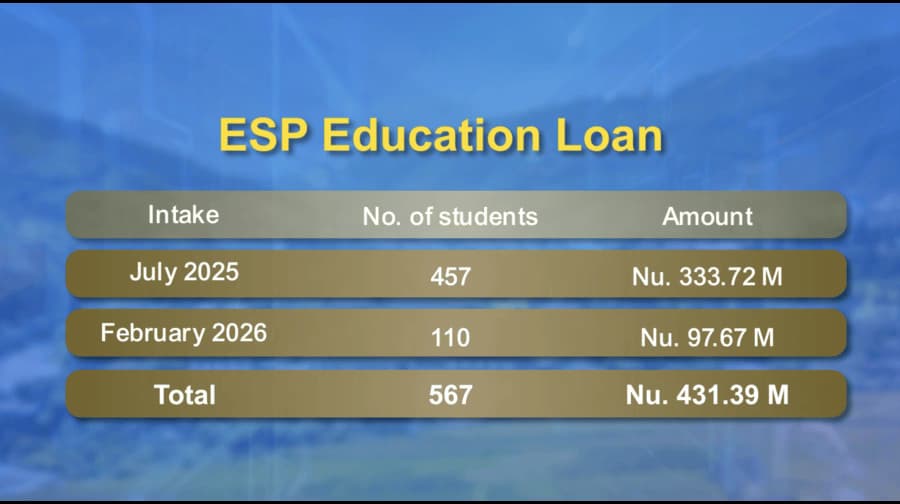
In its initial months, the scheme disbursed approximately Nu 431 million, benefiting over 560 students. However, with just Nu 169 million remaining, the demand far exceeds the available funds. The recent third intake, which had to close early due to overwhelming demand, highlighted the urgent need for additional resources. The Bank of Bhutan received 253 applications on the first day alone, underscoring the program's popularity and necessity.
Government's Response to Funding Challenges 🏛️
The sudden closure of the application window sparked public outcry, prompting swift action from the government. The Office of Cabinet Affairs and Strategic Coordination has confirmed that plans are underway to secure more funding. While specific amounts and timelines remain undisclosed, these will be clarified post-June 30th, once the bank finalizes the current intake's funding approvals.
The Impact on Students and Families 👨👩👧👦
For families with limited financial means, this scheme is more than just a loan; it represents an opportunity for upward mobility and educational empowerment. The average loan disbursement of Nu 800,000 per student has been instrumental in covering tuition fees and other educational expenses, making higher education accessible to many who would otherwise be unable to afford it.
Broader Economic Implications 📈
The Concessional Education Loan Scheme is not just an educational initiative; it is a strategic economic investment. Education is a critical driver of economic growth and social progress. By facilitating access to education, the scheme supports the development of a skilled workforce, which is vital for Bhutan's long-term economic resilience and competitiveness.
Looking Ahead: Government's Commitment to Education 📚
The government's proactive approach to securing additional funding reflects its commitment to education as a cornerstone of national development. As the scheme moves forward, it will be crucial for policymakers to continuously assess demand and adapt funding strategies accordingly.
Key Takeaways and Future Prospects 🌟
- The Concessional Education Loan Scheme has had a significant impact, providing crucial financial support to many students.
- Immediate action is required to secure additional funds and meet ongoing demand.
- Continued government commitment is essential for the scheme's future success.
- The scheme plays a critical role in driving economic growth through education.
As Bhutan navigates these challenges, the focus remains on ensuring that education remains accessible to all, bridging gaps, and building a brighter future for the nation's youth. The government's exploration of additional funding avenues signals hope and determination to uphold this vital program.
This strategic initiative not only empowers students but also strengthens the nation's socio-economic fabric, underscoring the government's dedication to fostering educational equity and opportunity for all. 🌏💡
You May Also Like
Education
Strengthening School Support for Students Unable to Afford Tuition
September 13, 2026
Education
Student Citizen Journalism: Breaking Silence on Bullying
September 12, 2026
Education
Tashithang ECCD Centre: Nurturing Young Learners in Rural Bhutan
September 6, 2026
Education
Primary Dzongkha Teacher Crisis: 69 Graduates, 10 Vacancies
September 5, 2026