Category:
EducationBhutan-Australia Research Hub Launches to Strengthen Education
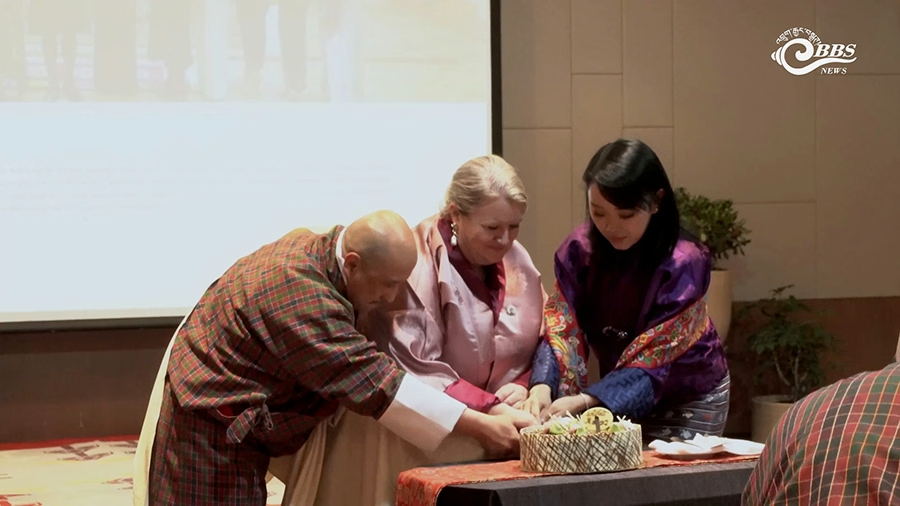
A Historic Partnership in Education and Governance 🎓
Bhutan and Australia have embarked on an ambitious educational collaboration that promises to reshape how both nations approach research, policymaking, and institutional development. The establishment of the Australian National University's Hub for Bhutan Studies represents a watershed moment in international academic cooperation, bridging two nations separated by geography but united in their commitment to evidence-based governance and sustainable development.
This groundbreaking initiative demonstrates how strategic partnerships between educational institutions can catalyze meaningful change in public policy and professional development. The Hub, anchored at the prestigious Crawford School of Public Policy in Canberra, serves as a beacon for collaborative research that transcends borders and cultural boundaries.
Understanding the Hub's Mission and Scope 🌏
The Hub for Bhutan Studies is far more than a conventional research center—it represents a comprehensive framework for advancing knowledge about Bhutan's unique governance model and development philosophy. By focusing on critical areas including Gross National Happiness, environmental sustainability, governance structures, and public administration, the Hub creates a dedicated space where international researchers can engage with Bhutan's most pressing policy challenges.
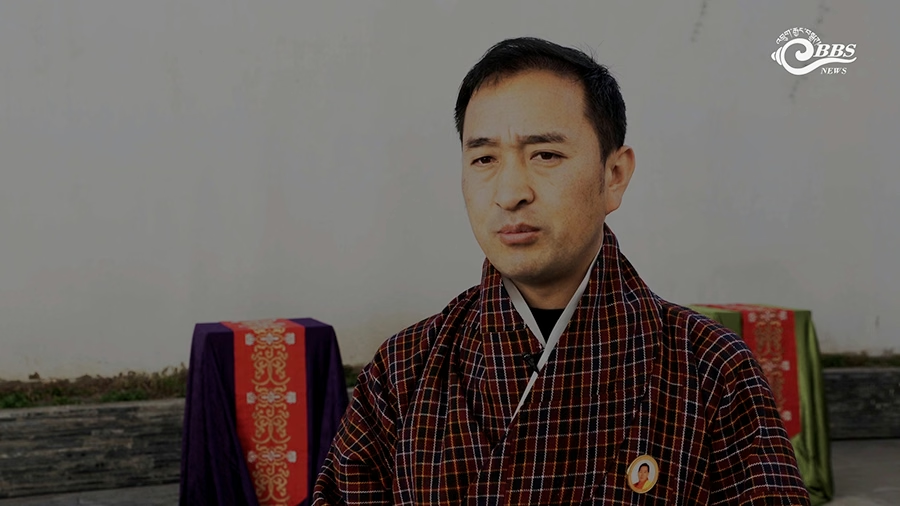
The initiative directly addresses a fundamental gap in international understanding of how Bhutanese institutions function and evolve. Rather than imposing external frameworks, the Hub seeks to document, analyze, and celebrate the indigenous governance systems that have sustained Bhutan's stability and prosperity. This approach acknowledges that not all solutions must originate from Western institutional models—Bhutan's centuries-old traditions contain valuable lessons for the global community.
Capacity Building and Evidence-Based Policymaking 📊
One of the Hub's most significant contributions lies in its capacity-building programmes designed specifically for Bhutanese civil servants and researchers. The Royal Civil Service Commission has already begun collaborating with Crawford School experts to enhance research methodologies and analytical skills among government professionals.
According to Jigme Norbu, Human Resource Officer at the RCSC, the partnership brings world-class expertise directly to Bhutanese institutions. "With the collaboration with Crawford, we are bringing in experts from the Crawford School of Public Policy. They will train the specialists on conducting research, and after building their capacity, the specialists will help inform policy decisions through providing inputs based on data and facts," Norbu explained.
This capacity-building approach transforms research from an academic exercise into a practical tool for governance. When civil servants possess robust research skills, they can generate evidence-based recommendations that strengthen policy outcomes and increase public trust in government decisions.
Understanding Civil Service Dynamics Through Census Research 🔍
Complementing the Hub's broader mission is an ambitious civil service census currently underway in Bhutan. This comprehensive survey aims to capture the concerns, experiences, and perspectives of civil servants across all government levels.

The census represents a sophisticated approach to organizational development. By systematically gathering data about workplace experiences, agency leaders can identify systemic challenges, recognize areas requiring intervention, and design more inclusive work environments. This evidence-based approach to human resource management reflects how Bhutan is modernizing its public sector while maintaining its distinctive cultural values.
The findings will provide unprecedented insights into civil service dynamics, revealing patterns about employee satisfaction, professional development needs, and organizational culture. Such comprehensive data enables targeted interventions that address root causes rather than symptoms.
Buddhist Governance: A Global Learning Opportunity ✨
Among the Hub's most innovative initiatives is the planned Buddhist Governance Conference scheduled for August 2025 in Bhutan. This conference represents a rare opportunity to examine how traditional Buddhist principles integrate with contemporary governance structures.
Lhawang Ugyel, Founding Director of the Crawford School of Public Policy at ANU, emphasizes the conference's significance: "One of the major initiatives is trying to highlight some of the strengths of the features of governance in Bhutan, largely based around traditional institutions, for instance, the one that was set up by Zhabdrung in the 1600s and how that continues to play a key role. Now, what that is, it is a testament to the fact that institutions are relevant and how Buddhist values can still play a role in governance."
This perspective challenges conventional wisdom that suggests traditional institutions must inevitably give way to modern structures. Bhutan's experience demonstrates that ancient governance frameworks, when thoughtfully maintained and adapted, can coexist productively with contemporary administrative systems.
Executive Education and International Research Exchanges 🎯
The Hub's programming extends beyond traditional research to encompass executive education initiatives and structured research exchanges. These programmes create pathways for Bhutanese professionals to engage with international expertise while enabling foreign scholars to develop deeper understanding of Bhutanese contexts.
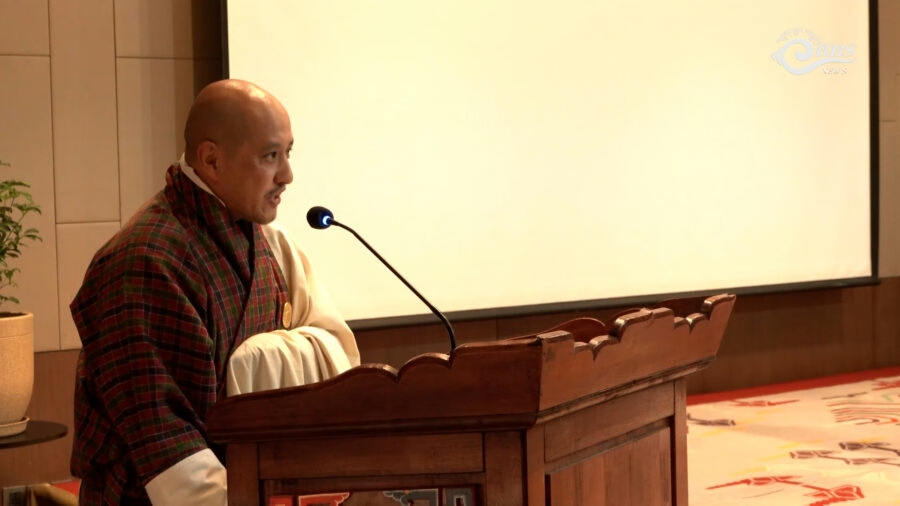
Executive education programmes tailored for senior civil servants provide opportunities to explore case studies from other jurisdictions, learn contemporary policy analysis techniques, and develop strategic thinking skills. Research exchanges allow academics and practitioners from both nations to immerse themselves in different institutional contexts, building networks and fostering collaborative relationships that extend far beyond formal programme structures.
Strengthening People-to-People Connections 🤝
Janine O'Flynn, Director of the Crawford School of Public Policy at ANU, articulates the partnership's deeper significance: "It is an expression of our deep existing relationship but also what we'd like to partner together to do in the future. Research, also working together, government to government and people to people to really work together in partnership to assist and support our colleagues in Bhutan."
This statement captures how the Hub transcends institutional frameworks to foster genuine human connections. When researchers, policymakers, and educators engage across borders, they exchange not merely information but perspectives, values, and aspirations. These interpersonal connections often prove more durable and transformative than formal agreements.
Implications for Global Development Discourse 💡
Bhutan's partnership with Australia through this research hub carries implications extending far beyond bilateral relations. In an era when many developing nations struggle to articulate their own development narratives, Bhutan's proactive approach to international research collaboration demonstrates sophisticated agency.
By inviting international scrutiny of its governance systems and development philosophy, Bhutan signals confidence in its institutions while simultaneously contributing to global knowledge about alternative development models. The Hub enables the world to learn from Bhutan's experience with environmental conservation, social cohesion, and institutional stability.
Key Takeaways: What This Partnership Means 🌟
The Bhutan-Australia research hub initiative represents several critical developments in international education cooperation:
- Evidence-Based Governance: The partnership prioritizes research-informed policymaking, elevating decision-making from intuition to data-driven analysis
- Capacity Enhancement: Bhutanese civil servants gain access to world-class research training, strengthening institutional capabilities
- Cultural Preservation: The initiative honors traditional governance systems while integrating contemporary analytical methods
- Global Learning: Bhutan's experience becomes accessible to international scholars, enriching global discourse on sustainable development
- Institutional Resilience: By documenting and studying its own systems, Bhutan ensures institutional knowledge persists and evolves appropriately
Looking Forward: The Future of Bhutan-Australia Collaboration 🚀
As this partnership matures, expect increasingly sophisticated research outputs examining Bhutan's unique approach to balancing economic development with environmental protection, social harmony, and cultural preservation. The 2025 Buddhist Governance Conference will likely catalyze broader international interest in Bhutanese institutional models.
For education professionals, policymakers, and development specialists worldwide, the Hub represents a compelling case study in how strategic international partnerships can strengthen institutional capacity while preserving cultural distinctiveness. Bhutan's willingness to engage with global academic networks while maintaining its distinctive identity offers valuable lessons for nations seeking sustainable development pathways.
This collaboration underscores an essential truth: meaningful progress emerges not from imposing external solutions but from respectful partnerships that honor local wisdom while embracing international expertise. The Bhutan-Australia research hub embodies this principle, promising benefits that will resonate across both nations for decades to come.
You May Also Like
Education
Bumthang Schools Revive Theatrical Tradition Through Competition
October 21, 2026

Education
Mongar's Extended Classrooms Struggle with Declining Student Enrollment
October 21, 2026
Education
Bridging the Skills Gap: Training and Industry Alignment
October 19, 2026
Education
Team Bhutan Shines at FIRST Global Challenge 2026
October 15, 2026