Category:
EnvironmentFarmers Battle Water Shortages for Paddy Transplantation
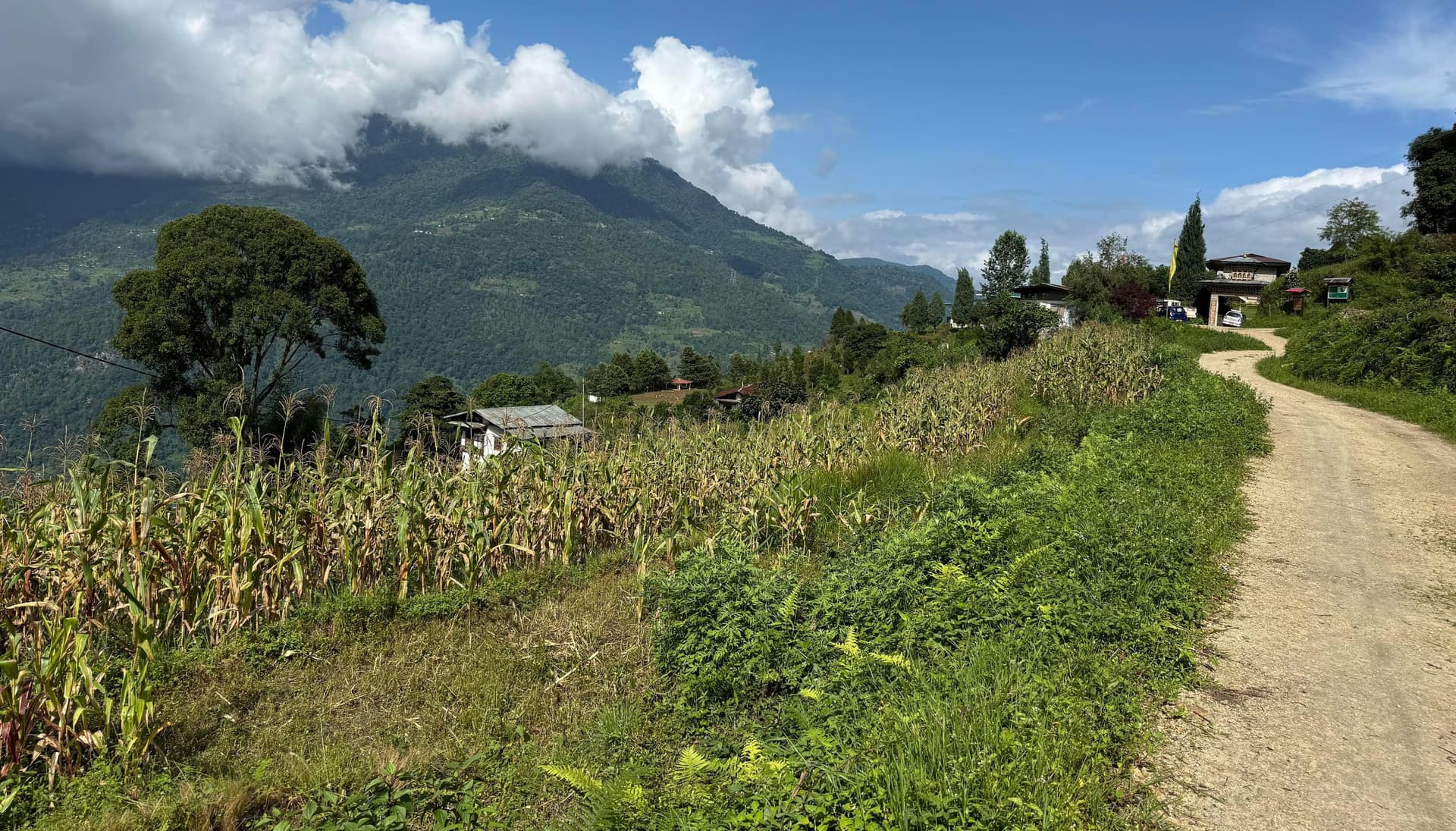
In the lush, terraced landscapes of Bhutan, paddy transplantation is a crucial agricultural activity. Yet, this year, farmers find themselves racing against time as erratic weather patterns and water shortages delay this essential process. 🌾
The Urgency of Timely Transplantation
Paddy transplantation is a time-sensitive activity heavily dependent on the onset of the monsoon. In regions like Khagochen village in Dagana, the usual rhythm of agricultural life has been disrupted. By mid-July, fields that should be bustling with activity remain uncultivated. Prolonged dry spells have forced farmers to leave their terraces empty, waiting for the rains to replenish dwindling water supplies.
The Impact of Climate Change
The unpredictability of weather patterns, exacerbated by climate change, is a growing concern for Bhutanese farmers. The looming threat of a Super El Niño only adds to the anxiety. Such climatic phenomena can lead to further delays in rainfall, putting the entire paddy planting calendar at risk.
Farmers' Struggles with Water Scarcity
Farmers like Tashi from Dagana express concerns about the inconsistency of weather this summer. The lack of a continuous water supply is a pressing issue, as paddy fields require ample water during both transplantation and early growth stages. Without it, seedlings may not survive the increasing temperatures.
Traditional Irrigation vs. Modern Solutions
Bhutan's agriculture still relies heavily on traditional irrigation systems, which are proving insufficient during prolonged dry periods. As Tika Ram Dahal highlights, without reliable water sources, the risk of reduced productivity increases. Farmers are being urged to adopt more efficient irrigation practices and consider alternative crops that require less water.
Government Interventions and Support
The Department of Agriculture (DoA) and the Ministry of Agriculture and Livestock (MoAL) are actively monitoring the situation. They provide agrometeorological advisories, offering weather updates and technical guidance to help farmers adapt to changing conditions. However, the challenge lies in ensuring that these advisories are effectively utilized by farmers to mitigate climate risks.
Innovative Adaptation Measures
To combat water shortages, the MoAL is implementing long-term solutions, such as replacing open irrigation channels with climate-proofed piped systems and expanding solar-powered water pumps. Additionally, the promotion of micro-irrigation technologies like drip and sprinkler systems is underway.
The Role of Policy and Community Engagement
A high-level committee on Super El Niño, involving key government figures, has been established to coordinate national preparedness. This committee aims to ensure that climate forecasts are translated into actionable recommendations for farmers, particularly in vulnerable dzongkhags.
Future Outlook and Resilience Building
While immediate measures are in place, the focus is also on building long-term resilience. The National Crop and Livestock Insurance Scheme is being promoted to protect farmers against climate shocks. Moreover, there is an emphasis on diversifying crops to include less water-intensive varieties.
Conclusion: A Call to Action
As Bhutanese farmers navigate these challenging times, the collaboration between government, agricultural experts, and farming communities is crucial. By embracing innovative solutions and adapting to climate realities, Bhutan can strengthen its agricultural resilience and ensure food security for the future. 🌟
You May Also Like
Environment
Climate Crisis in the Himalayas: Bhutan's Cold Reminder
August 29, 2026
Environment
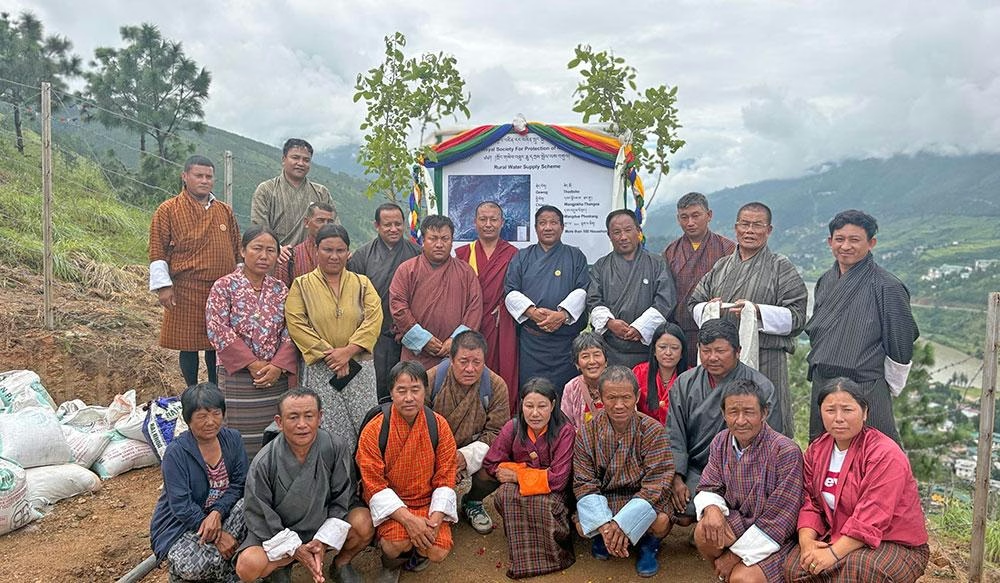
WBH Conservation Project Delivers Clean Water to Rural Homes
August 29, 2026
Environment
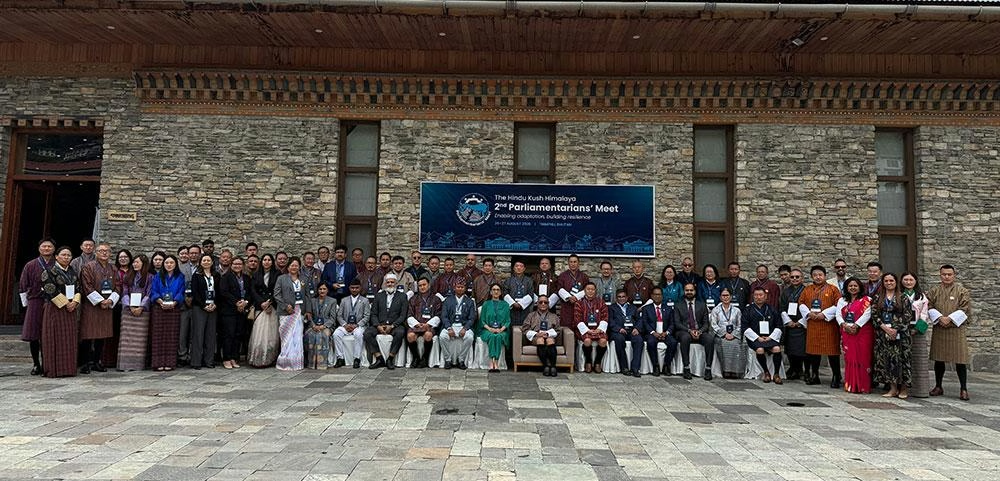
HKH Climate Crisis: Why Regional Unity Matters Now
August 29, 2026
Environment
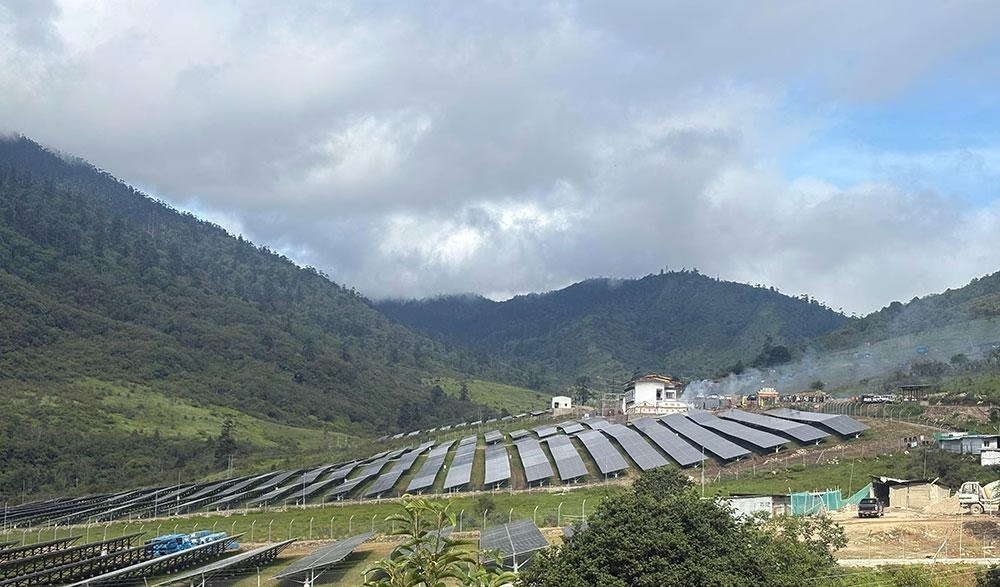
Bhutan's Solar Power Revolution: Energy Security Strategy
August 26, 2026