Category:
EnvironmentEmpowering Women via Waste Upcycling Impact
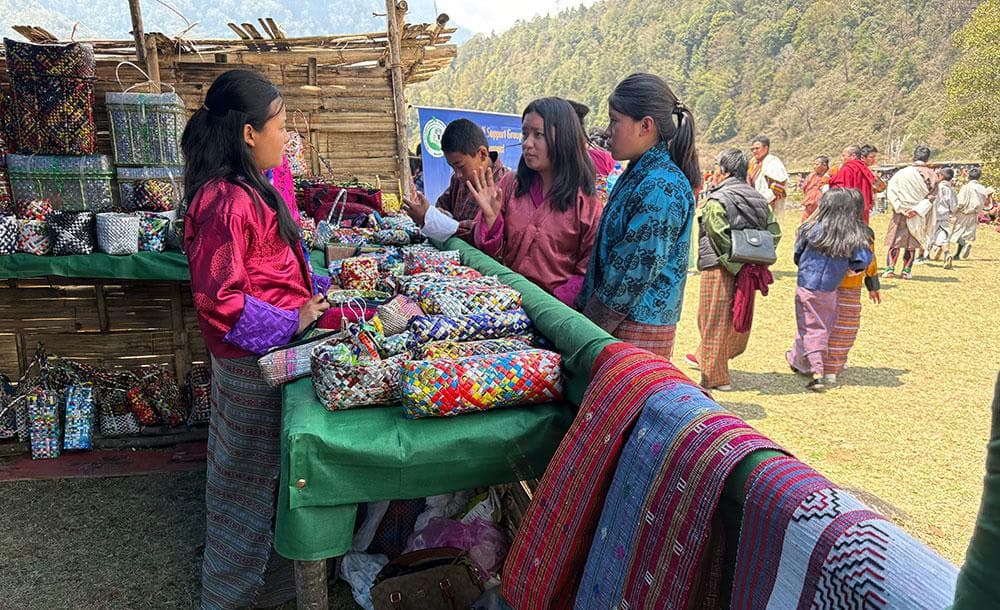
🌟 In a world increasingly conscious of sustainability, the movement of empowering women through waste upcycling is gaining momentum. This initiative not only champions environmental stewardship but also fosters economic independence for women across Bhutan.
The Rise of Waste Upcycling in Bhutan 🌿
The waste upcycling trend in Bhutan has seen significant growth, driven by innovative programs aimed at transforming waste into valuable products. Among these initiatives is the Women’s Self-Support Group on Waste Management, launched in 2022. This group has successfully trained over 370 participants, offering them new skills and income opportunities.
A Transformative Journey for Women 🌸
One remarkable story is that of Jamyang Choden, a 44-year-old from Lhuentse. After receiving training from the Women’s Self-Support Group, she embraced the art of crafting products from plastic waste. Her creations, ranging from handbags to baskets, not only earn her between Nu 40,000 and Nu 50,000 annually but also provide a sustainable livelihood.
Jamyang's journey did not stop there. She became a trainer herself, imparting her skills to others in regions such as Merak, Sakteng, and Gangtey. This transformation showcases the potential of waste upcycling to empower women and promote environmental consciousness.
Economic and Environmental Impact 💰🌍
The group's efforts have also had a significant economic impact. During events like the Rhododendron Festival, they earn around Nu 15,000, which is distributed among the contributors. These earnings provide much-needed economic support to housewives and other participants.
Notably, their products, particularly the rachu, have found a market among international visitors, underscoring the global appeal of sustainable crafts.
Community-Led Training and Expansion 📚
Training sessions are driven by community interest, with support from the Department of Tourism. Recently, the group trained 25 individuals in Gangtey, Wangdue, including five men—a testament to the inclusive nature of this initiative.
Participants, like 19-year-old Chimi Tshomo from Lumang Gewog, have turned their newfound skills into economic opportunities. Chimi was able to earn around Nu 1,500 by selling her products at a local festival.
The Broader Impact and Future Developments 🔮
This movement is not just about economic empowerment; it plays a crucial role in promoting environmental sustainability. By transforming waste into valuable products, these women contribute to a cleaner environment.
Looking ahead, the potential for growth is immense. As awareness spreads, more communities are likely to engage in waste upcycling, driving both economic and environmental benefits.
Key Takeaways and Future Outlook 🚀
- Empowerment: Women are gaining financial independence and leadership skills.
- Environmental Impact: Waste upcycling contributes to sustainability.
- Community Engagement: The initiative fosters community involvement and collaboration.
The success of the Women’s Self-Support Group on Waste Management highlights the transformative power of waste upcycling. By empowering women and promoting sustainability, this initiative sets a powerful example for communities worldwide.
As Bhutan continues to champion environmental and social causes, waste upcycling stands out as a beacon of hope and progress.
You May Also Like
Environment
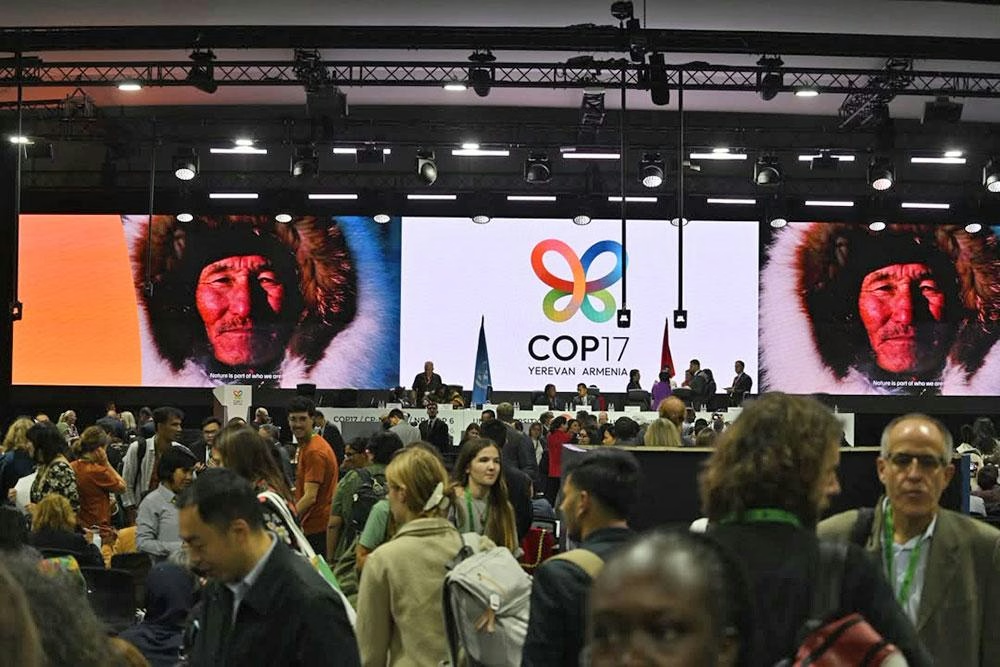
COP17 Yerevan: Global Biodiversity Review Shapes Nature's Future
October 21, 2026
Environment
Wildlife Conflict Crisis: How Neglected Private Land Threatens Tashicholing
October 19, 2026
Environment
Climate Crisis in the Himalayas: Bhutan's Cold Reminder
August 29, 2026
Environment
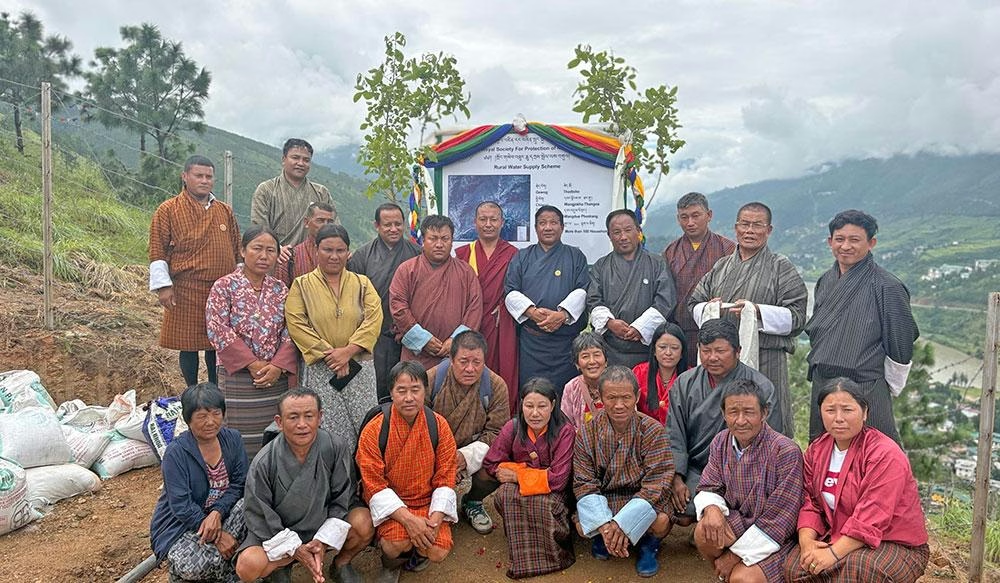
WBH Conservation Project Delivers Clean Water to Rural Homes
August 29, 2026