Category:
EnvironmentCharging Bhutan's Green Future
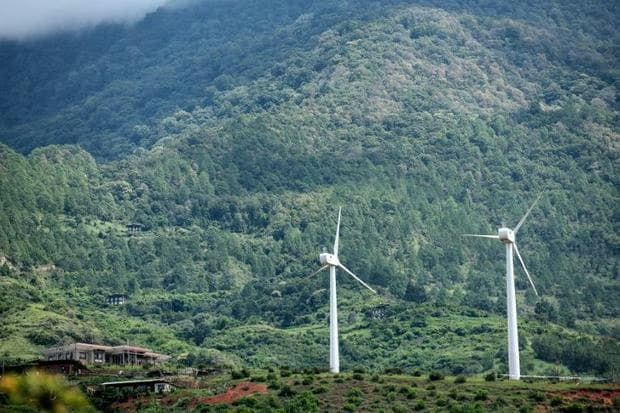
Bhutan's Journey to Sustainable Transportation 🌿
Bhutan, a nation celebrated for its pristine environment and commitment to carbon neutrality, faces a pivotal moment in its journey towards sustainable transportation. Despite its reputation as one of the only two carbon-negative countries globally, Bhutan's reliance on fossil fuels for transportation is increasing.
The Current Landscape 📊
Every day, Bhutan adds 38 petrol and diesel vehicles to its roads. In the first half of this year alone, 6,921 fossil fuel cars were registered, compared to only 279 electric vehicles (EVs). This trend poses a significant challenge to Bhutan’s environmental goals.
In 2025, Bhutan spent Nu 18.82 billion on fossil fuel imports, a figure that consumed 76% of its hydropower earnings. This dependency on fossil fuels contradicts Bhutan’s potential, given its 72% forest cover and 100% renewable hydropower electricity.
The Environmental Impact 🌎
The transport sector is responsible for 45% of Bhutan's greenhouse gas emissions, contributing to the 2.2 million tonnes of CO₂ the nation emits annually. Although Bhutan's forests absorb between 6 to 9 million tonnes of CO₂, the rising vehicle count, now at 130,625, threatens its carbon-negative status.
Challenges in EV Adoption ⚡
The Bhutanese government has set a target for 70% of new vehicle sales to be electric by 2035. However, achieving this goal is challenging due to the high cost of EVs and limited charging infrastructure. Currently, Bhutan has only 75 charging stations across 43 locations, creating anxiety for potential EV buyers.
Learning from Global Leaders 🌍
Countries like Norway and China provide valuable lessons. Norway's extensive tax breaks and charging infrastructure have led to more electric car sales than petrol cars. Meanwhile, China's Shenzhen city converted all its buses to electric, demonstrating the potential for rapid change.
Government Initiatives and Future Plans 🏛️
The Bhutanese government is taking steps to encourage EV adoption. Plans include purchasing 99 electric vehicles and 45 electric buses, expanding charging infrastructure, and implementing successful pilot programs. By 2030, Bhutan aims to have one charging station for every 15 EVs.
The Path Forward 🚀
To remain true to its promise of carbon neutrality, Bhutan must accelerate its transition to electric vehicles. The technology exists, and with the government’s support and international collaboration, Bhutan can set an example for sustainable transport.
Conclusion: A Green Commitment 🌟
Bhutan's EV Roadmap 2035 is not just a policy document; it's a commitment to future generations. With abundant clean electricity and a strong governmental push, Bhutan can lead the charge towards a greener future. The time to act is now, ensuring a cleaner, healthier environment for all.
Bhutan’s transition to electric vehicles is crucial for maintaining its carbon-negative status and fulfilling its environmental promises. The steps taken today will pave the way for a sustainable tomorrow.
You May Also Like
Environment
Wildlife Conflict Crisis: How Neglected Private Land Threatens Tashicholing
October 19, 2026
Environment
Climate Crisis in the Himalayas: Bhutan's Cold Reminder
August 29, 2026

Environment
WBH Conservation Project Delivers Clean Water to Rural Homes
August 29, 2026

Environment
HKH Climate Crisis: Why Regional Unity Matters Now
August 29, 2026