Category:
EnvironmentElephants Adapt, Intensifying Wildlife Conflicts
The Growing Challenge of Human-Elephant Conflict
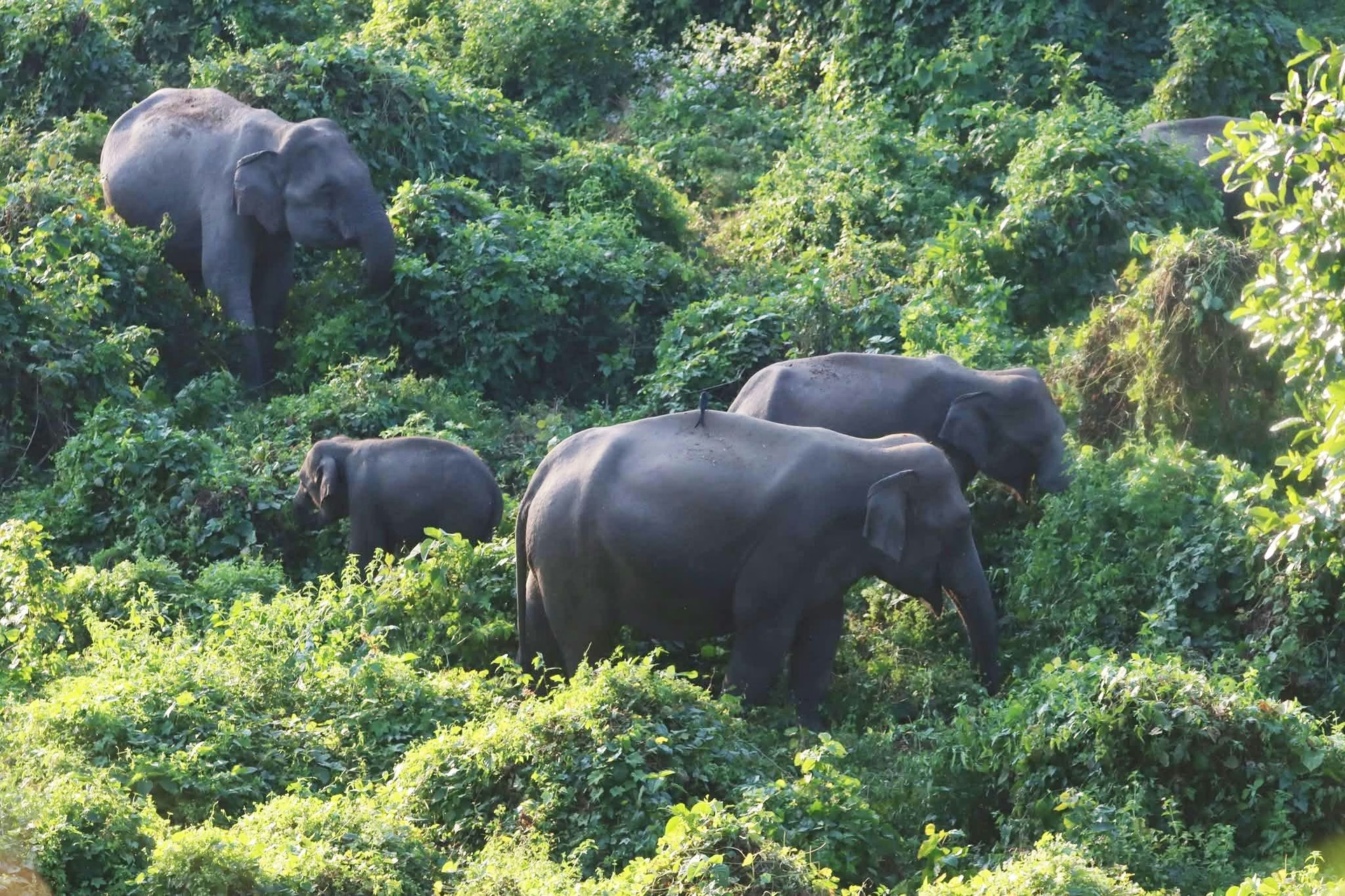
In the lush landscapes of southern Bhutan, a tense standoff is unfolding between humans and elephants. The recent fatal elephant attack in Samtse has brought renewed attention to this escalating conflict. Despite significant efforts to mitigate these encounters, elephants are proving to be remarkably adaptable, finding ways around human-made barriers.
The Evolution of Mitigation Measures
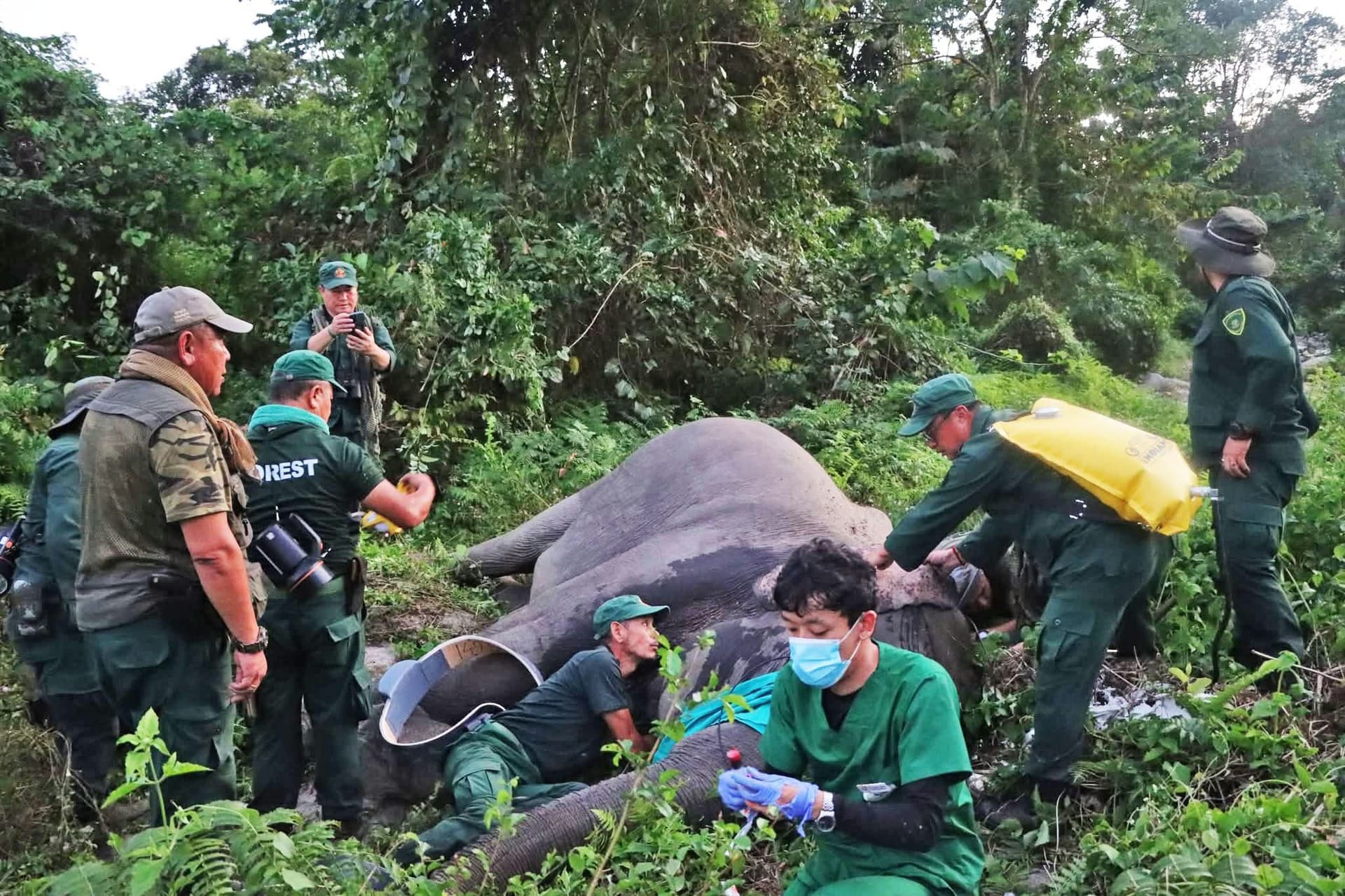
Over the years, Bhutan has implemented a variety of strategies to curtail human-elephant conflict. These include solar electric fencing, elephant collaring, and rapid response systems. However, these measures, while reducing the frequency of direct intrusions, are not foolproof.
- Solar Electric Fencing: Installed to deter elephants, these fences are not complete barriers. They aim to delay elephant entry, allowing communities time to respond. However, elephants are learning to exploit weak points.
- Elephant Collaring: This technique helps in tracking elephant movements, providing valuable data for early warning systems.
Elephants Outsmarting Human Barriers
Elephants in Samtse are demonstrating remarkable intelligence by adapting to existing barriers. A notable incident involved a tusker from a herd led by a collared female named Peldon. This tusker has become increasingly aggressive, finding alternative routes and weak points in fences.
The Impact on Local Communities
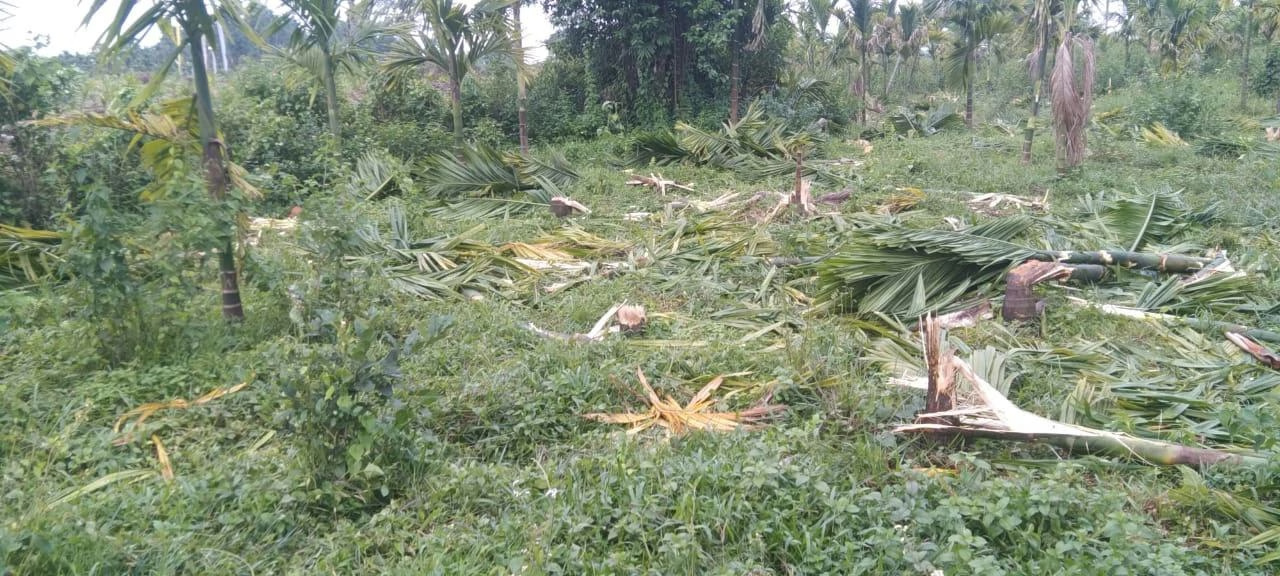
For residents of areas like Tashicholing, the threat of elephants is a daily concern. The year 2024 alone saw one human death, 32 cases of crop damage, and eight instances of property being destroyed by elephants. Crops such as bananas, betel nuts, and paddy are particularly vulnerable.
A Broader Context: Wildlife Conflicts in Bhutan
Bhutan's wildlife conflict is not isolated to elephants. Similar challenges exist with other species, driven by habitat loss and human expansion. As elephants continue to adapt, communities are left in a precarious situation, balancing coexistence with safety.
Future Directions and Solutions
The ongoing struggle with elephant adaptability has prompted officials to consider additional measures:
- Enhanced Fencing Solutions: Plans for inner layers of fencing in vulnerable areas are underway.
- Energy Backup Systems: During monsoon seasons, power banks are being considered to maintain fence efficacy.
Conclusion: A Call for Coexistence
As Bhutan navigates the complexities of human-elephant conflict, the emphasis is on coexistence. While technological solutions provide some relief, a holistic approach that includes habitat conservation and community engagement is crucial. The resilience of elephants is a testament to their intelligence, and it challenges us to adapt alongside them.
The journey towards peaceful coexistence is ongoing, and it requires collective effort and innovative thinking. As the world watches, Bhutan continues to set an example in wildlife conservation and conflict resolution.
You May Also Like
Environment
Climate Crisis in the Himalayas: Bhutan's Cold Reminder
August 29, 2026

Environment
WBH Conservation Project Delivers Clean Water to Rural Homes
August 29, 2026

Environment
HKH Climate Crisis: Why Regional Unity Matters Now
August 29, 2026

Environment
Bhutan's Solar Power Revolution: Energy Security Strategy
August 26, 2026