Category:
EnvironmentBhutan's Connectivity Challenges in a Warming World
Bhutan's Geographic Struggles in the Face of Climate Change 🌍
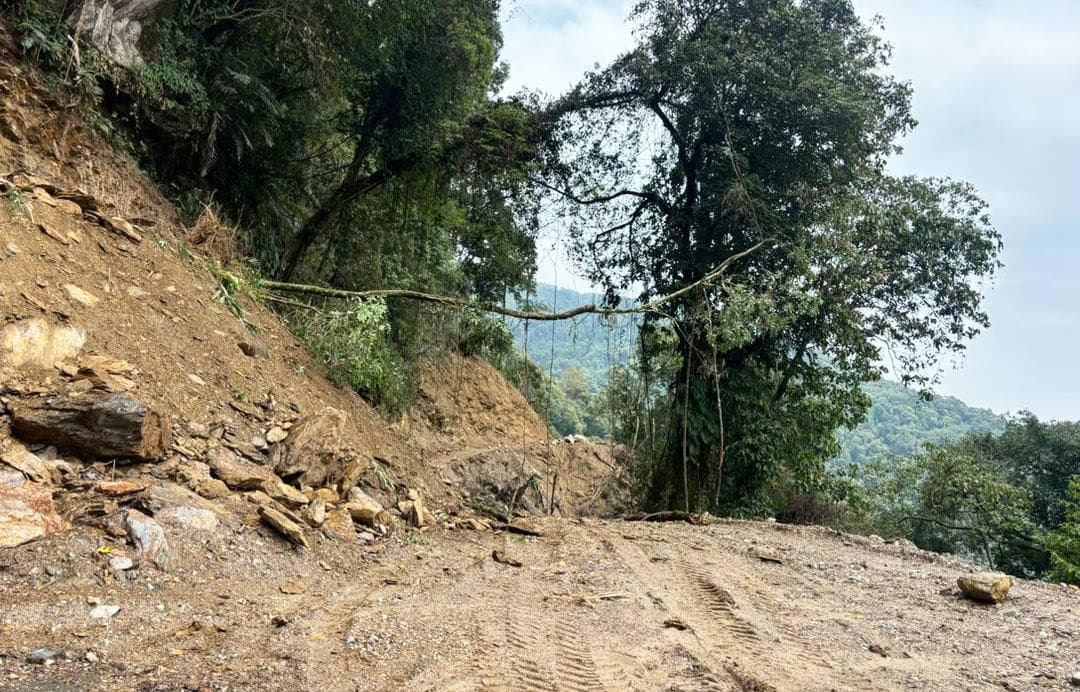
Bhutan, a picturesque kingdom nestled in the Himalayas, faces a growing challenge in maintaining connectivity across its rugged terrain. As global temperatures rise, the impact on Bhutan's primary transport network becomes increasingly severe. Roads, the backbone of the nation's economy, are frequently disrupted by landslides, flash floods, and other climate-induced phenomena.
The Impact of Monsoon Seasons 🌧️
Every year, the monsoon season tests Bhutan's infrastructure resilience. Heavy rains saturate the soil, triggering landslides that block roads and isolate communities. This year, Bhutan experienced significant rainfall even before the monsoon began, exacerbating the situation. According to the Ministry of Infrastructure and Transport (MoIT), roads remain closed significantly longer now compared to just five years ago. The fiscal year 2024–25 saw infrastructure damage costs soar to Nu 1.18 billion, far exceeding the ministry's budget for monsoon road restoration.
Rising Incidence of Road Closures 🚧
Recent data highlights a troubling trend: the average duration of road closures has surged from half a day in 2020–21 to over five days in recent years. Although some improvement has been noted, closures still last around three days on average, six times longer than five years ago. The increase in road blockages—from 494 in 2020–21 to 1,402 in 2022–23—reflects the growing severity of the situation.
Regional Vulnerabilities and Economic Impact 📉
Three critical regions bear the brunt of these disruptions: Phuentsholing, Sarpang, and Tingtibi. Together, they account for 69% of road closures. The Phuentsholing–Thimphu Highway, a vital corridor for commerce and tourism, is particularly vulnerable. The East-West Highway also faces repeated disruptions, threatening national connectivity and economic activities.
Landslides: The Leading Cause of Road Failures 🏔️
Landslides have become the predominant cause of road blockages, accounting for 68% of failures in 2024–25. Previously, only a quarter of blockages were due to landslides. The monsoon season, now the defining period for infrastructure risk, sees 98% of these road failures. These disruptions coincide with peak agricultural and tourism seasons, magnifying their economic impact.
Financial Strains and Resource Allocation 💸
The cost of maintaining connectivity is rising exponentially. The ministry's annual budget of Nu 350 million for monsoon-related repairs is dwarfed by the Nu 1.18 billion needed this year. Despite additional emergency funding, resources remain insufficient. Climate change has transformed from an environmental concern to a significant fiscal challenge, diverting funds from development projects to emergency repairs.
The Unsung Heroes Behind the Scenes 👷♂️
Behind every reopened road is a dedicated, overstretched workforce. Engineers across nine regional offices work tirelessly to maintain 24-hour emergency response during monsoon seasons. Often managing more than 85 kilometers of road, their workload is unsustainable. Yet, their efforts ensure that Bhutan remains connected, despite the formidable challenges.
Conclusion: A Call for Sustainable Solutions 🌱
As Bhutan grapples with the effects of climate change, the need for sustainable infrastructure solutions becomes increasingly urgent. Investing in resilient infrastructure and effective disaster management strategies is crucial. By addressing these challenges, Bhutan can safeguard its connectivity, economy, and communities against the growing impacts of a warming world.
You May Also Like
Environment
Climate Crisis in the Himalayas: Bhutan's Cold Reminder
August 29, 2026

Environment
WBH Conservation Project Delivers Clean Water to Rural Homes
August 29, 2026
Environment
HKH Climate Crisis: Why Regional Unity Matters Now
August 29, 2026
Environment
Bhutan's Solar Power Revolution: Energy Security Strategy
August 26, 2026