Category:
EnvironmentSangbaykha's Historic WBH Sighting
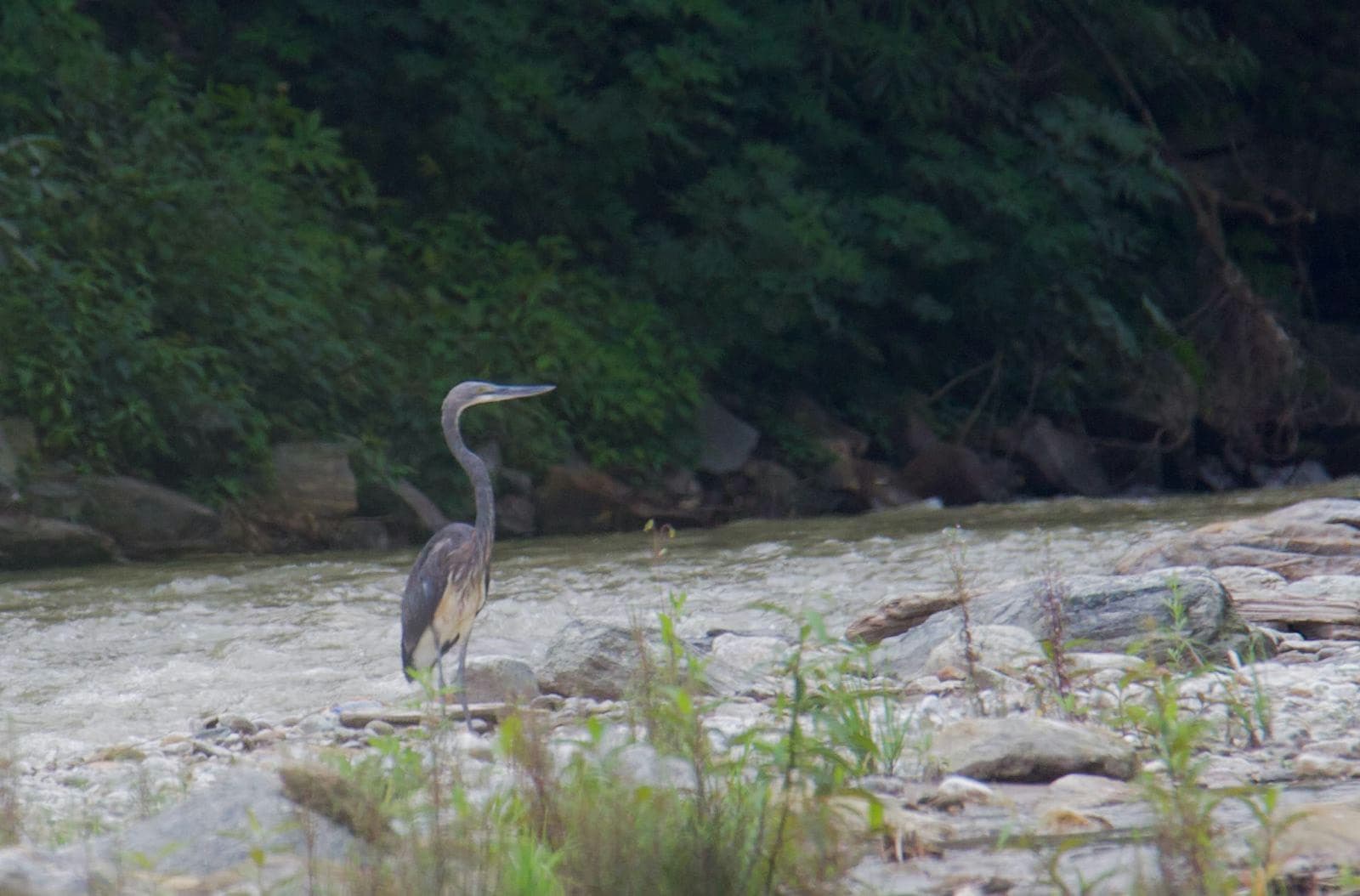
A Remarkable Milestone in Conservation 🦢
In an unprecedented event, the critically endangered white-bellied heron (WBH) was sighted for the first time along the Amochhu river basin in Sangbaykha Dungkhag, Haa on June 27. This historic sighting marks a significant extension of the species' known range, which previously did not stretch this far west beyond the Wangchhu basin. The discovery is not only a milestone for Bhutan's conservation efforts but also contributes to global biodiversity records.

Expanding the WBH's Known Range 🌍
Historically, the white-bellied heron was last recorded in the Terai of Sikkim and Nepal before the 1950s, areas where it is no longer found today. The sighting in Amochhu significantly extends its range, making it the furthest west the species has been seen in recent decades. This expansion into new territories is a testament to Bhutan's commitment to wildlife conservation.
Conservation Efforts and Habitat Assessment 🏞️
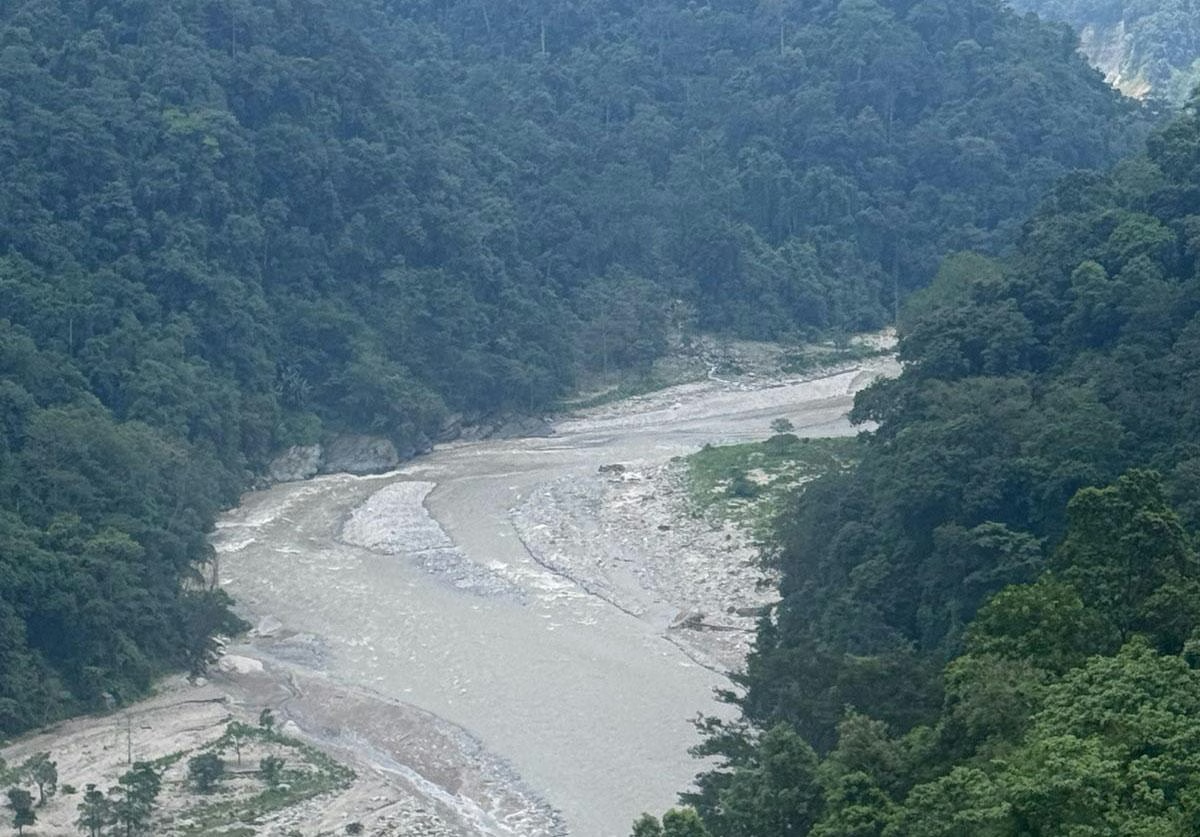
Following the sighting, a team from the Royal Society for Protection of Nature (RSPN) and the Jigme Khesar Strict Nature Reserve conducted thorough monitoring and habitat assessments. These efforts revealed that the Amochhu river basin provides ideal conditions for the WBH, with braided river flows and thick riparian vegetation. The minimal human settlements and elevation between 500 and 800 meters further enhance its suitability.
Community Engagement and Future Plans 🤝
RSPN has prioritized the Amochhu sighting for conservation, and plans are underway to conduct a detailed habitat inventory. This will help understand the area's biodiversity and socio-economic conditions. By engaging local communities, RSPN aims to integrate conservation with sustainable development, ensuring that both the heron and local populations benefit.
Socio-economic Benefits and Ecotourism 🌿
The presence of the WBH has sparked interest in ecotourism, a sector that Bhutan is keen to develop. Birdwatching tourists flocking to Bhutan contribute significantly to local economies, and the WBH is one of the most sought-after species. Conservation investments have also improved rural infrastructure and provided alternative livelihood opportunities, enhancing the quality of life for communities in the WBH landscape.
Challenges and Opportunities Ahead 🔍
Despite the positive developments, the WBH faces threats from climate change and riverine activities. Conservationists emphasize the importance of understanding the species' ecological needs. The WBH prefers freshwater riverine ecosystems, a fish-based diet, and riparian forests for roosting and breeding.
Tshering Tobgay, a research officer with RSPN, highlights that while the WBH is critically endangered, its presence should not hinder development. Instead, it should inspire balanced growth that benefits both the heron and human communities.
Conclusion: A Beacon of Hope for Conservation 🌟
Bhutan's commitment to conserving the white-bellied heron is yielding promising results. With over 50% of the global population residing in Bhutan, the country plays a pivotal role in the survival of this majestic bird. The recent sighting in Amochhu is a beacon of hope, showcasing successful conservation strategies and the potential for future discoveries.
As Bhutan continues to protect its natural heritage, the WBH stands as a symbol of the country's rich biodiversity and a reminder of the importance of global conservation efforts. The journey ahead is challenging, but with continued dedication, Bhutan can ensure a thriving future for the WBH and its habitats.
You May Also Like
Environment
Climate Crisis in the Himalayas: Bhutan's Cold Reminder
August 29, 2026

Environment
WBH Conservation Project Delivers Clean Water to Rural Homes
August 29, 2026
Environment
HKH Climate Crisis: Why Regional Unity Matters Now
August 29, 2026
Environment
Bhutan's Solar Power Revolution: Energy Security Strategy
August 26, 2026