Category:
EnvironmentCrane Egg Nears Hatching: A Conservation Milestone
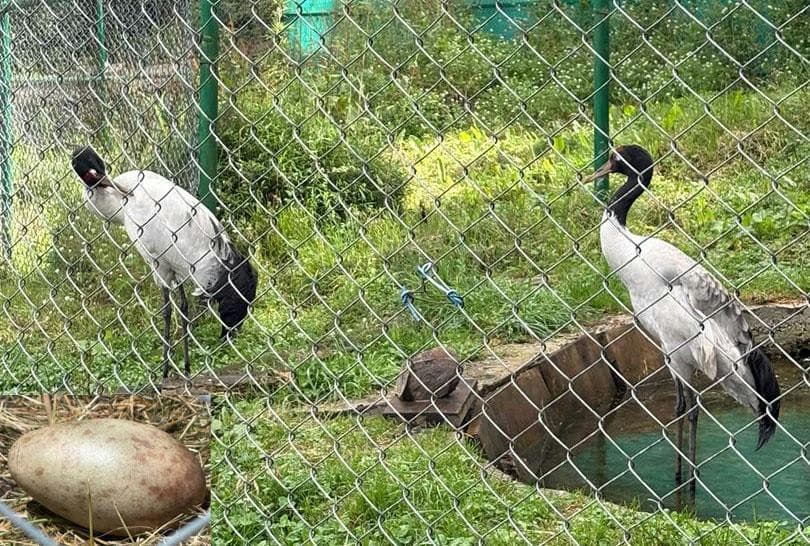
The anticipation is palpable as the first captive black-necked crane egg in Bhutan nears hatching. This event, unfolding at the Black-necked Crane Education Centre (BNCEC) in Phobjikha, has captured the attention of conservationists and wildlife enthusiasts alike. The egg, the result of the breeding efforts of Pema and Karma, two resident cranes, represents a significant step in Bhutan's conservation journey. 🐣✨
A Promising Beginning
The pair's meticulous routine of incubating the egg day and night highlights their dedication and instinctual care. The male, Karma, takes the night shift, while Pema covers the day, ensuring the egg remains warm and safe. This natural collaboration is a testament to the species' resilience and adaptability, even in a captive setting.
The Importance of Captive Breeding
Captive breeding programs play a crucial role in conserving endangered species, providing a controlled environment to nurture growth and increase population numbers. For Bhutan, successfully hatching and rearing a black-necked crane in captivity would be a groundbreaking achievement, enhancing the country's capacity to protect these majestic birds.
The challenges of raising a crane in captivity differ significantly from those in the wild. In their natural habitats, cranes face threats from global warming, which accelerates permafrost thawing, and predators like feral dogs. The controlled environment at BNCEC minimizes these risks, offering a safer haven for the egg.
Bhutan's Role in Crane Conservation
Historically, Bhutan has been recognized as a wintering ground for black-necked cranes migrating from the Tibetan Plateau. However, recent discoveries have identified breeding activities within the country, notably in Jigme Khesar Strict Nature Reserve.
This newfound breeding site at Langjab, over 4,100 meters above sea level, highlights Bhutan's evolving role in crane conservation. The identification of such sites underscores the importance of protecting natural habitats and fostering conditions conducive to breeding.
The Significance of Ramsar Sites
Bhutan's commitment to environmental preservation is further highlighted by its Ramsar-designated wetlands. The Gangtey-Phobjikha wetland, where the BNCEC is located, spans nearly 975 hectares and serves as the principal wintering habitat for cranes. This designation, along with others like Khothokha and Bumdeling, reinforces Bhutan's dedication to maintaining biodiversity and ecological balance.
Broader Environmental Implications
The successful hatching of this crane egg could set a precedent for future conservation efforts, not only in Bhutan but globally. As climate change continues to pose significant challenges to wildlife, innovative conservation strategies become increasingly vital. The BNCEC's efforts represent a proactive approach to species preservation, aligning with Bhutan's broader environmental goals.
Looking Ahead
As the countdown continues, the potential hatching of this egg symbolizes hope and progress. It serves as a reminder of the delicate balance between human intervention and nature, and the possibilities that arise when both work in harmony. 🌍💚
Conclusion
With the world watching, the outcome of this hatching will be significant not just for Bhutan, but for global conservation efforts. Whether or not the egg hatches successfully, the knowledge gained will be invaluable for future breeding programs. The dedication of the BNCEC and its partners reflects a commitment to safeguarding biodiversity for generations to come.
Stay tuned as this captivating story unfolds, offering insights into the intricate world of crane conservation and the ongoing efforts to preserve these magnificent creatures.
You May Also Like
Environment
Climate Crisis in the Himalayas: Bhutan's Cold Reminder
August 29, 2026
Environment
WBH Conservation Project Delivers Clean Water to Rural Homes
August 29, 2026
Environment
HKH Climate Crisis: Why Regional Unity Matters Now
August 29, 2026
Environment
Bhutan's Solar Power Revolution: Energy Security Strategy
August 26, 2026