Category:
EconomyDoma Prices Drop, Exporters Voice Concerns
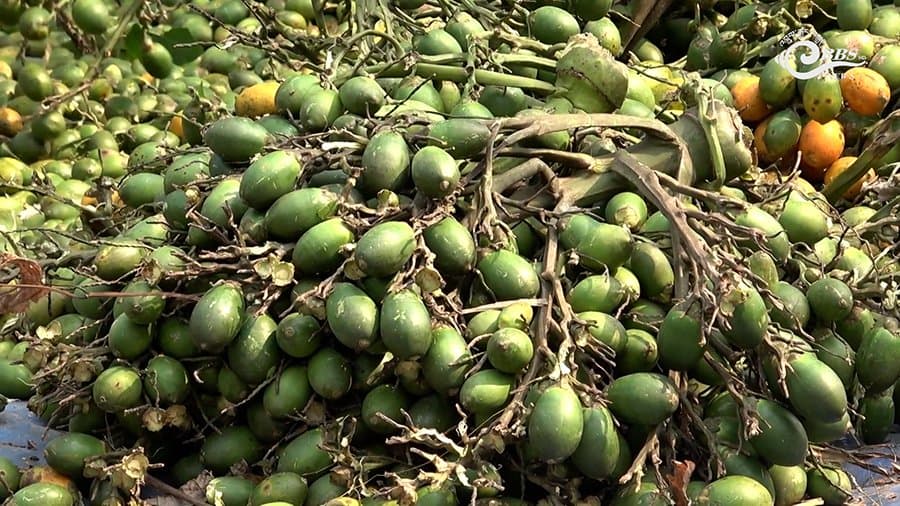
The picturesque town of Gelephu, nestled in Bhutan, is currently experiencing an economic wave that has left many stakeholders in the areca nut industry on edge. As the peak harvest season unfolds, doma buyers are pulling back, causing a ripple effect on prices and sparking concerns among exporters. 🌾
The Current Market Scenario
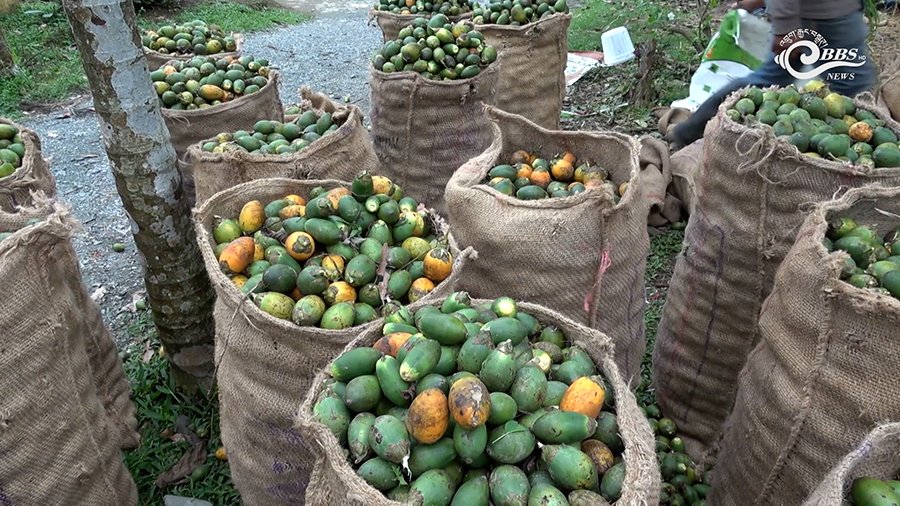
In the bustling regions of Shompangkha and Dekiling gewogs within Sarpang, farmers are engrossed in the meticulous process of harvesting, sorting, and drying areca nuts. Traditionally, this season heralds robust business, but recent developments have altered this narrative.
Over the last fortnight, cross-border buyers have become more conservative, offering significantly reduced rates. This shift is perplexing given the satisfactory production levels reported by local farmers. For instance, Jigme, a local resident, noted that while last year a quintal of areca nuts fetched around Nu 5,700, this year started promisingly at Nu 6,000. However, the optimism has been short-lived as prices plummet by Nu 1,000 to 500 per sack. 📉
Factors Influencing the Price Drop
Several factors contribute to the current market dynamics:
- Early Rainfall: The monsoon has arrived earlier than expected, complicating the drying process for areca nuts, which impacts their market readiness.
- Rising Costs: Escalating fuel prices and transportation expenses are squeezing margins, making it difficult for exporters like Dawa Singey Gomdan to maintain profitability.
- Political Climate: The ongoing elections in Assam have also dampened market activity across the border, contributing to the slowdown in purchases.
Challenges in Formalizing Trade
Despite efforts to streamline and formalize the areca nut trade between Bhutan and India, exporters still face significant logistical challenges. The formal export route from Gelephu to Assam, introduced in 2024, was intended to simplify trade by aligning with India's trade policies and reducing informal tariffs.
However, exporters express frustration over bureaucratic delays. Norbu Wangdi, another exporter, highlighted the prolonged customs clearance times in India, which can last up to a week. Such delays lead to product spoilage and financial losses, discouraging the use of formal channels. 🚛
The Informal Trade Dominance
Despite these challenges, informal trade continues unabated, sustained by long-standing relationships between Bhutanese exporters and their Indian counterparts. Last year alone, Bhutan exported around 5,401 metric tonnes of areca nuts, valued at Nu 251.15 million, predominantly through informal routes.
Agricultural officials acknowledge that while progress has been made, hurdles remain. The absence of a plant quarantine facility at the Hatisar Land Customs Station and coordination issues with Indian authorities are significant roadblocks.
Looking Ahead
The current market uncertainty may be temporary. Stakeholders anticipate a return to normalcy post-elections in Assam, which could stabilize prices and reinvigorate trade. Until then, the sector must navigate these turbulent waters, balancing market fluctuations and systemic challenges.
In conclusion, the areca nut industry in Gelephu finds itself at a crossroads. While market conditions are currently challenging, the potential for recovery remains strong. Stakeholders are hopeful that with enhanced bilateral cooperation and streamlined processes, the future of this vital sector will be promising. 🌟
You May Also Like
Economy
Bhutan's Bold Vision: Two USD 50M Enterprises by 2030
September 27, 2026
Economy
Mega Dry Port in Pasakha: Bhutan's Trade Revolution
September 25, 2026

Economy
Fixed Deposit Tax Withholding: What You Need to Know
September 13, 2026
Economy
DRC's QR Payment Innovation: Tracking Business Income
September 2, 2026