Category:
EconomyFinance Ministry Keeps Tax Breaks on Wet & Dry Lands
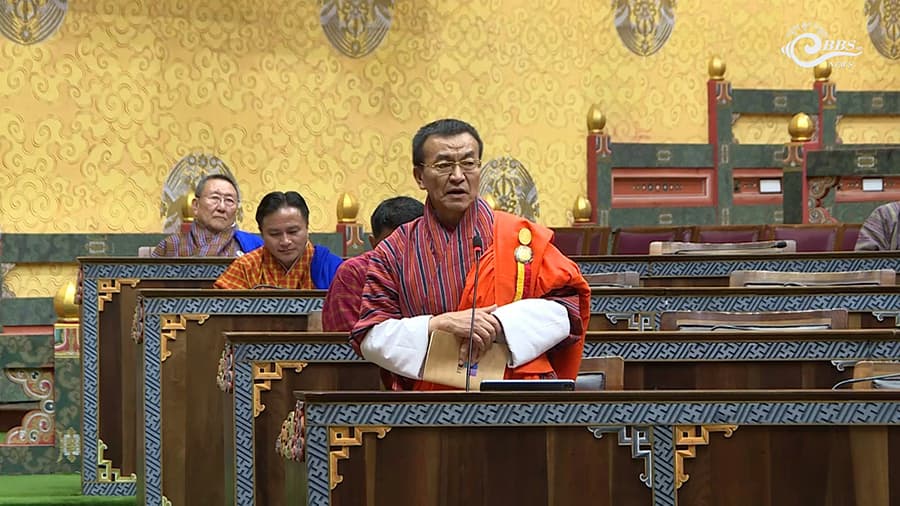
The Bhutanese finance ministry has announced its decision to maintain the existing tax concessions on both wet and dry lands, a move that has stirred significant discussions in the National Assembly. Currently, the Property Tax Act of Bhutan 2022 provides a 90% tax concession on wetlands, known as Chhuzhing, and a 50% concession on cultivated dry lands, or Kamzhing. This decision comes amidst heated debates over the fairness and equity of these concessions across different regions of Bhutan.
The Current Tax Landscape 🌾
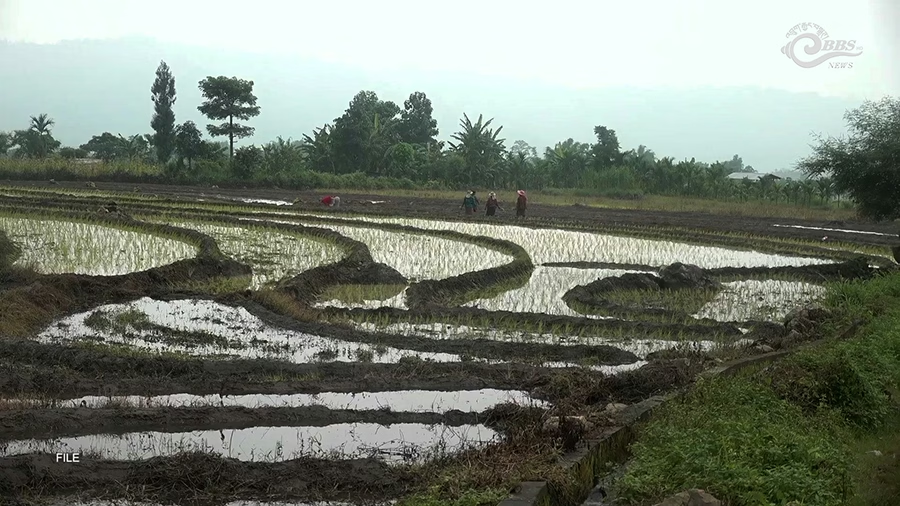
Under the existing tax framework, wetland owners benefit from a substantial 90% concession. This applies regardless of whether the land is actively used for crop cultivation. In contrast, dry lands receive a 50% concession only if they are under cultivation, with no concession applicable to unused lands.
Regional Disparities and Debates 🤔
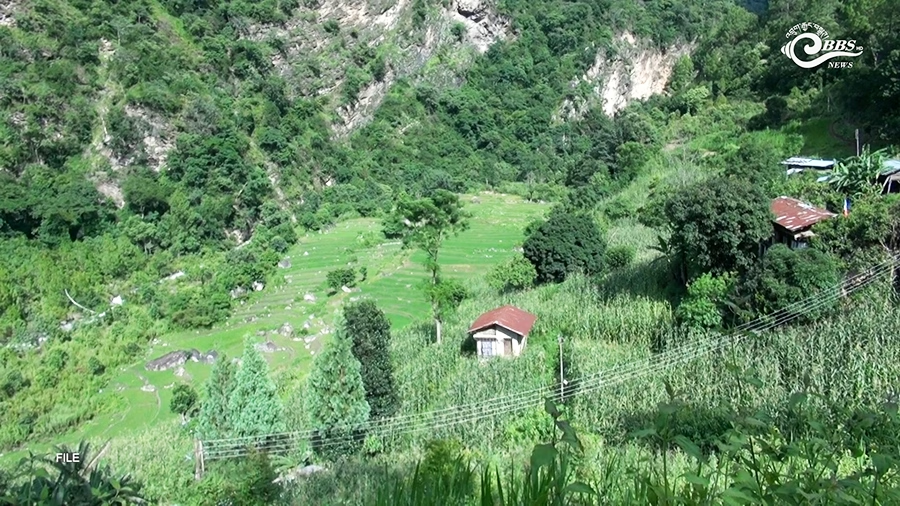
Representatives from regions heavily reliant on dry lands, such as Haa, Lhuentse, and Zhemgang, argue that the current system disproportionately disadvantages their constituents. For instance, Haa has 175 acres of wetland but 4,656 acres of dry land. The MPs advocate for an increase in the dry land concession to 90%, matching the wetland rate, to level the playing field for regions without significant wetland resources.
Lhendup Wangdi, an MP from Haa, highlighted the inequity, stating, "My constituency relies entirely on dry land for livelihood, and the disparity in tax concessions is glaring."
Economic Implications and Policy Balance ⚖️
Finance Minister Lekey Dorji defended the current scheme, emphasizing its alignment with national economic data. He noted that Thimphu alone contributes over 43% of the total property tax revenue, underscoring the concentration of economic wealth in certain districts. According to the minister, maintaining the current concessions ensures that tax policies remain equitable, reflecting property values and economic capacities.
Views from Wetland Constituencies 🌱
Conversely, MPs from regions with significant wetland holdings contend that the two land types should not receive equal tax breaks due to their differing productivity and market values. Sonam Tashi, an MP from Paro, argued that converting wetlands is challenging and they cannot be used as flexibly as dry lands. "If dry land owners desire the same concessions, then similar liberties should be extended to wetland owners," he stated.
Future Amendments on the Horizon 📅
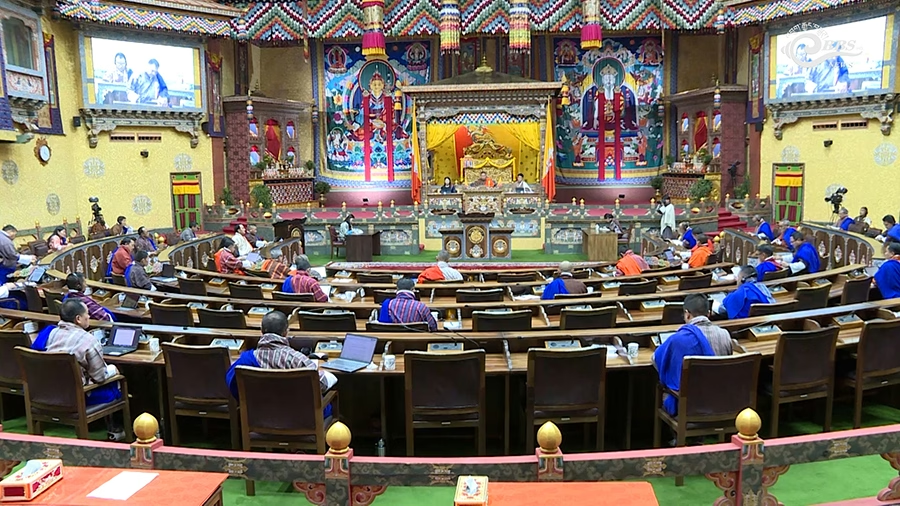
Despite vigorous discussions, the issue remains unresolved. The Speaker has instructed the finance minister to revisit these tax provisions during the next summer session, potentially paving the way for amendments that could address the concerns of both wetland and dryland stakeholders.
Broader Economic Context 🌐
The decision to maintain current tax concessions must be viewed within the broader scope of Bhutan's economic and agricultural policies. As Bhutan continues its development journey, balancing regional disparities and ensuring fair economic opportunities for all remains a priority. The agricultural sector plays a crucial role in this, with ongoing debates reflecting the need for policies that support sustainable growth and equity.
Key Takeaways and Looking Forward 🔍
- The current tax concessions remain unchanged, providing continuity for landowners.
- Regional disparities in land types lead to differing opinions on tax fairness.
- Future amendments could potentially address these concerns, fostering more equitable policies.
- The decision underscores Bhutan's broader economic strategy, focusing on data-driven and equitable fiscal policies.
As the next summer session approaches, stakeholders across Bhutan eagerly await further discussions and potential amendments that could redefine the landscape of land tax concessions.
You May Also Like
Economy
Bhutan's Bold Vision: Two USD 50M Enterprises by 2030
September 27, 2026
Economy
Mega Dry Port in Pasakha: Bhutan's Trade Revolution
September 25, 2026

Economy
Fixed Deposit Tax Withholding: What You Need to Know
September 13, 2026
Economy
DRC's QR Payment Innovation: Tracking Business Income
September 2, 2026