Category:
EconomyBhutan's Ambitious 13th Five-Year Plan Unveiled
Bhutan is gearing up for a significant economic transformation with its 13th Five-Year Plan (FYP), which sees an increase in the outlay to Nu 517 billion. This strategic move comes amid a backdrop of challenges and opportunities that are shaping the nation’s economic future.
A Strategic Boost to Bhutan's Economy 🌟
The 13th FYP's outlay increase from Nu 512 billion to Nu 517 billion reflects Bhutan’s commitment to fostering sustainable economic growth. This adjustment follows a comprehensive Mid-Term Review (MTR) conducted by the government, highlighting the nation's improved fiscal position despite ongoing challenges like youth unemployment and inflation.
Key Economic Goals 🎯
The plan is pivotal in Bhutan's journey towards achieving a "High Income GNH economy by 2034." With the Gross Domestic Product (GDP) projected to rise to USD 5 billion by 2029, the plan aims to elevate GDP per capita from USD 3,833 to USD 6,174. As of now, GDP stands at approximately Nu 820 billion, with GDP per capita at USD 4,245, indicating progress but also outlining the need for sustained efforts.
Addressing Socio-Economic Challenges 🌐
Despite the overall unemployment rate being low at 3.4%, youth unemployment remains a pressing concern at 16.5%. This statistic underscores the urgency for creating quality job opportunities, aligning with the 2027 goal of achieving 97.5% full employment.
Navigating Economic Pressures 📊
Inflation and declining fertility rates further complicate Bhutan’s socio-economic landscape. The current fertility rate is 1.44 births per woman, coupled with a rising trend of youth emigration. Inflation, driven partly by Middle East geopolitical tensions, stands at 6.07% with food inflation at 7.07%.
Financial Strategies and External Support 💼
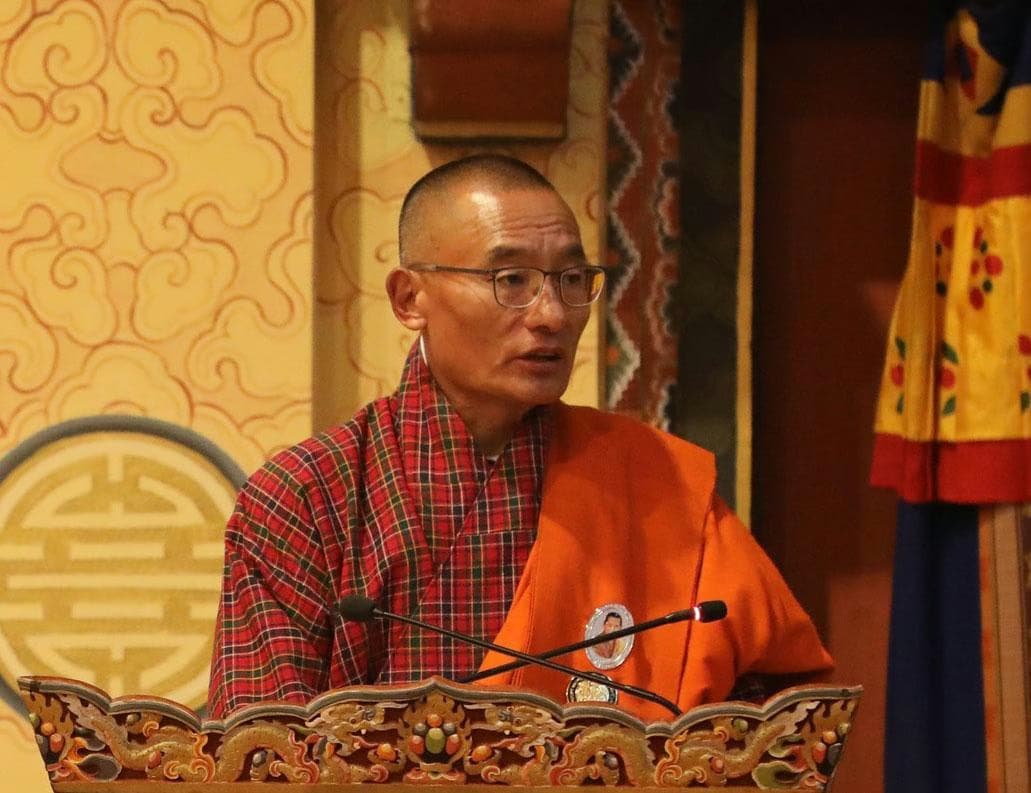
The Prime Minister, Lyonchhen Tshering Tobgay, emphasized the improved fiscal outlook attributed to increased domestic revenues and external assistance. Notably, Nu 61 billion was secured, shifting the fiscal balance from a deficit to a surplus.
Domestic and International Collaborations 🌍
Key contributors include Druk Holding and Investments, State-Owned Enterprises, and the Royal Monetary Authority. International partnerships have also been fruitful, with the Government of India providing Nu 85 billion, alongside significant contributions from the European Union, Japan, and global financial institutions like the Asian Development Bank and World Bank.
Aligning with National Priorities and Vision 👑
The MTR has been instrumental in aligning the 13th Plan with His Majesty The King’s vision for the Gelephu Mindfulness City and the Diamond Strategy. These initiatives were incorporated into the plan to ensure that Bhutan’s economic growth is holistic and inclusive.
Challenges and the Road Ahead 🚀
While the MTR confirms that all eight future outputs and 34 present outcomes are on track, the path forward involves addressing the brain drain caused by limited domestic opportunities. Prime Minister Tobgay acknowledges the dual role of unemployment and the allure of better prospects abroad in driving youth migration.
Conclusion: A Visionary Path Forward 🔮
The 13th Five-Year Plan symbolizes Bhutan’s resolve to overcome its economic challenges while capitalizing on its strengths. The increased outlay not only boosts financial resources but also underscores a strategic direction aimed at sustainable growth, socio-economic balance, and alignment with national aspirations.
As Bhutan continues to strengthen its economic framework, the role of strategic planning and international cooperation becomes increasingly crucial. The nation’s journey towards economic prosperity remains an inspiring testament to resilience and visionary leadership.
You May Also Like
Economy
Bhutan's Bold Vision: Two USD 50M Enterprises by 2030
September 27, 2026
Economy
Mega Dry Port in Pasakha: Bhutan's Trade Revolution
September 25, 2026
Economy
Fixed Deposit Tax Withholding: What You Need to Know
September 13, 2026
Economy
DRC's QR Payment Innovation: Tracking Business Income
September 2, 2026