Category:
NewsCSOs and Local Governments: Building Stronger Community Partnerships
The Gap Between Community Organizations and Local Development 🌍
Bhutan's civil society organizations (CSOs) possess invaluable expertise, community networks, and specialized knowledge that could transform local development initiatives. Yet despite their potential, many of these organizations remain disconnected from the grassroots engagement efforts that local governments are actively pursuing. This disconnect represents a significant missed opportunity for communities across the nation, particularly in regions outside major urban centers.
The challenge is straightforward but consequential: local governments and CSOs operate in parallel worlds, rarely intersecting despite sharing common goals of community improvement and sustainable development. Without meaningful collaboration, communities lose access to critical resources and expertise that could address their most pressing needs.
Understanding the Samtse Exchange Programme 📋
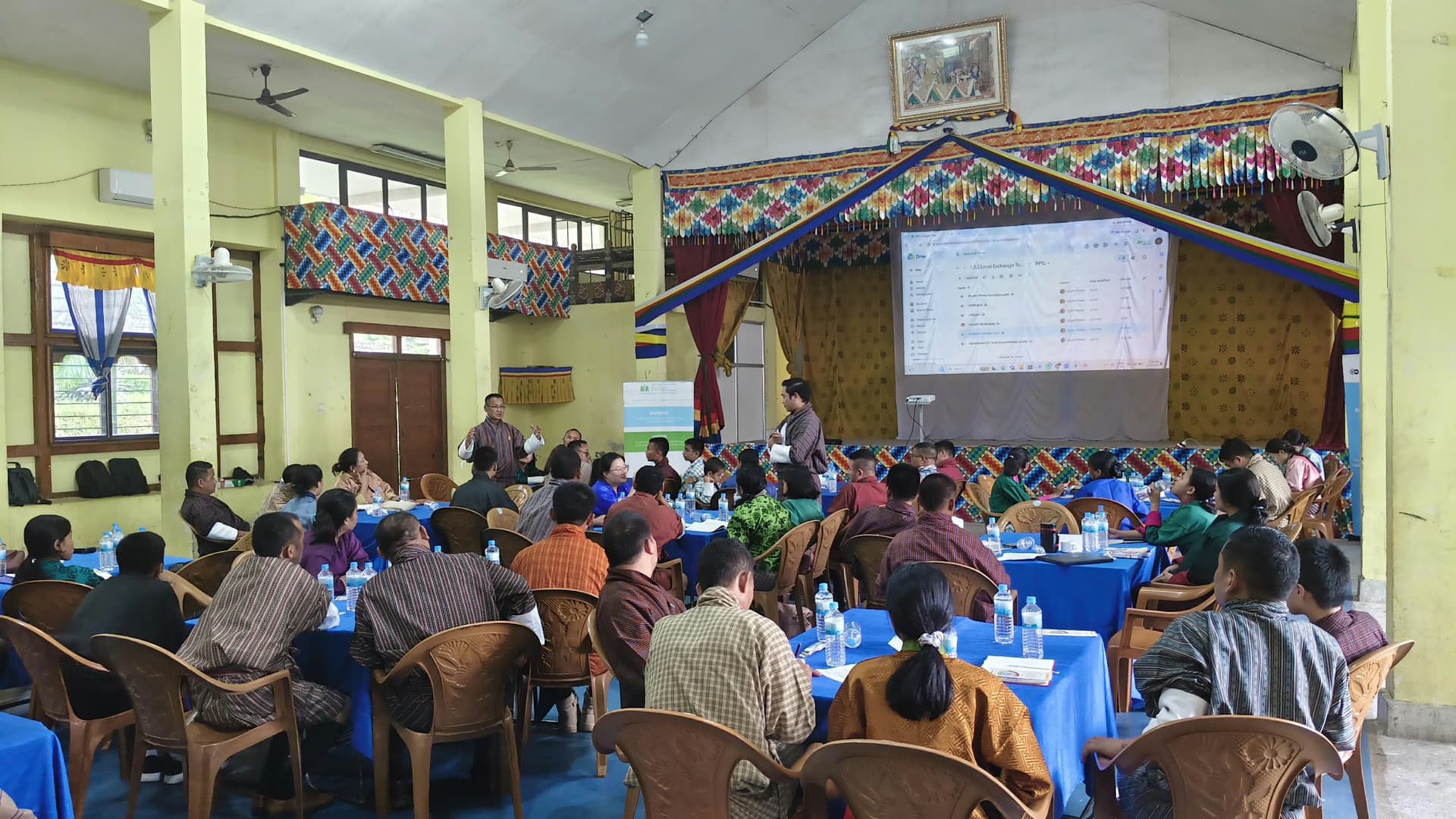
Recognizing this gap, the Bhutan Centre for Media and Democracy (BCMD) organized an illuminating daylong local exchange programme in Samtse that brought together diverse stakeholders. Local government leaders, civil society representatives, students, and teachers from school media and democracy clubs gathered to explore how stronger grassroots engagement could be achieved through improved partnerships.
The Samtse programme marked the final installment of BCMD's regional exchange initiative, following similar successful forums in Trashigang and Trongsa. These programs were conducted under the European Union-funded initiative, "Building Inclusive Democracy: Civil Society, Parliamentarians, Media, Youth Strengthen Good Governance in Bhutan," demonstrating international commitment to strengthening democratic institutions at the local level.
Participants engaged in candid discussions about the barriers preventing effective collaboration and identified concrete strategies for building bridges between institutions and communities.
Why Awareness Remains the Primary Challenge 💡
One of the most striking findings from the exchange programmes was the pervasive lack of awareness among key stakeholders. Local government leaders, young people, and community members often have limited understanding of what CSOs actually do, the specialized services they provide, and how their expertise could benefit local development initiatives.
This awareness gap creates a cascading effect:
- Limited visibility of CSO programs and services in rural and semi-urban areas
- Reduced community access to organizations with proven expertise in specific social issues
- Missed opportunities for CSOs to expand their impact beyond traditional urban strongholds
- Inefficient resource allocation when communities don't know which organizations can help address their challenges
Tshering Pelden of the Bhutan Association of Women Entrepreneurs highlighted this reality during the Samtse discussions. Her organization had never previously collaborated with Samtse communities, not due to lack of willingness, but simply because the connection had never been established. "We could not collaborate in any projects with people of Samtse until now but we will have better collaborations in the future with such exchange programmes," she noted, underscoring how these platforms create tangible opportunities for partnership.
The Procedural Knowledge Barrier 🔐
Beyond awareness, participants identified another critical obstacle: many local government officials and community members simply don't know how to approach CSOs or access their services. This procedural knowledge gap represents an often-overlooked but significant barrier to grassroots engagement.
Even when CSOs have programs directly relevant to community needs, potential partners may lack the procedural understanding necessary to initiate collaboration. Questions often remain unanswered: Who do we contact? What documentation is required? How long does partnership formation take? What are the expected commitments?
This uncertainty can discourage even well-intentioned local governments from pursuing CSO partnerships, leading them to pursue development initiatives independently, often with suboptimal results.
The Untapped Potential of Community Knowledge 🎯
Local governments have direct constitutional roles in addressing community needs and driving local development. However, they cannot accomplish these goals alone. CSOs frequently possess specialized expertise, established community networks, and institutional knowledge that could complement and enhance local government effectiveness.
The reality is that valuable community knowledge, experiences, and resources often remain outside formal local planning and development processes. This represents a significant loss of potential:
- Community-centered solutions that reflect local realities and priorities
- Specialized expertise in health, education, environmental, and social sectors
- Existing networks that CSOs have cultivated over years of grassroots work
- Innovative approaches developed through CSOs' direct community engagement
When these resources remain untapped, local development planning becomes less comprehensive and potentially less effective at addressing actual community needs.
Moving Beyond Occasional Programs 🚀
Participants at the Samtse exchange emphasized that meaningful collaboration requires more than one-off awareness events. Instead, they called for establishing regular, structured platforms for dialogue between local governments and CSOs.
The recommendations emerging from these discussions included:
- Regular consultation mechanisms between local governments and CSOs at the dzongkhag and gewog levels
- Formalized partnership procedures that clarify how organizations can collaborate on local development projects
- Expanded CSO outreach specifically targeting communities outside major urban centers
- Capacity building for both local government officials and CSO representatives on collaboration best practices
- Information sharing systems that help communities understand available CSO services and expertise
These recommendations reflect a sophisticated understanding that sustainable change requires institutional frameworks, not just goodwill.
The Geographic Challenge: Urban vs. Rural Engagement 🗺️
One persistent finding across all regional exchange programmes was that CSO engagement remains heavily concentrated in urban areas. Many organizations, despite having programs relevant to rural communities, have limited presence and visibility in peripheral regions.
This geographic imbalance creates disparities in access to services and expertise. Communities in remote areas may lack awareness of organizations that could address their specific challenges, while CSOs miss opportunities to expand their impact and better serve the nation's diverse populations.
For CSOs, working more closely with local governments could provide direct routes to communities where they currently have minimal presence. For local governments in these areas, CSO partnerships could provide access to specialized expertise and proven program models.
Building Mutual Benefits Through Partnership 🤝
The case for CSO-local government collaboration becomes compelling when viewed through the lens of mutual benefit. Local governments gain access to specialized knowledge and community networks. CSOs gain more direct pathways to communities and opportunities to scale their impact.
This symbiotic relationship strengthens the entire ecosystem of local development. Communities benefit from more comprehensive, better-informed development initiatives that draw on both government resources and civil society expertise.
However, achieving this requires moving beyond theoretical understanding to practical implementation. The Samtse programme and its predecessors demonstrated that awareness alone is insufficient. Participants recognized that sustainable collaboration demands:
- Clear institutional procedures for partnership formation
- Regular engagement platforms rather than sporadic events
- Mutual capacity building for both government and civil society actors
- Geographic expansion of CSO outreach and visibility
Looking Forward: The Path to Stronger Grassroots Engagement 🌟
The exchange programmes conducted in Samtse, Trashigang, and Trongsa represent important steps toward stronger grassroots engagement through improved local government-CSO collaboration. These initiatives have identified specific barriers, documented existing gaps, and generated practical recommendations for change.
The challenge now lies in translating these insights into concrete action. Local governments and CSOs must move beyond acknowledging the value of partnership to establishing the institutional mechanisms that make collaboration practical and sustainable.
The enthusiasm expressed by participants like Tshering Pelden suggests genuine willingness to collaborate. What remains needed is the structural support—formalized procedures, regular consultation platforms, and dedicated outreach efforts—that transforms willingness into action.
As Bhutan continues strengthening its democratic institutions and pursuing inclusive development, the role of CSOs in local governance becomes increasingly important. By bridging the awareness and procedural gaps that currently limit collaboration, the nation can unlock significant potential for more effective, community-responsive local development.
The Samtse exchange programme demonstrated that when stakeholders gather to honestly discuss these challenges, solutions emerge. The next phase requires converting these solutions from discussion points into implemented reality, ensuring that Bhutan's communities—regardless of geographic location—can access the full spectrum of expertise and resources available through both government and civil society channels.
You May Also Like
News
Women Entrepreneurs Master AI and Digital Tools in Phuentsholing
September 1, 2026
News
Can Samtse Keep Up With Its Growing Workforce?
August 29, 2026
News
Nepal Flood Exposes Critical Gaps in Bhutan's Early Warning Systems
August 29, 2026
News
High Court Overturns Acquittal: Doctor Sentenced to 10 Years for Child Sexual Abuse
August 29, 2026