Category:
EnvironmentCarbon Finance Boosts Clean Cooking for 30,000 Homes
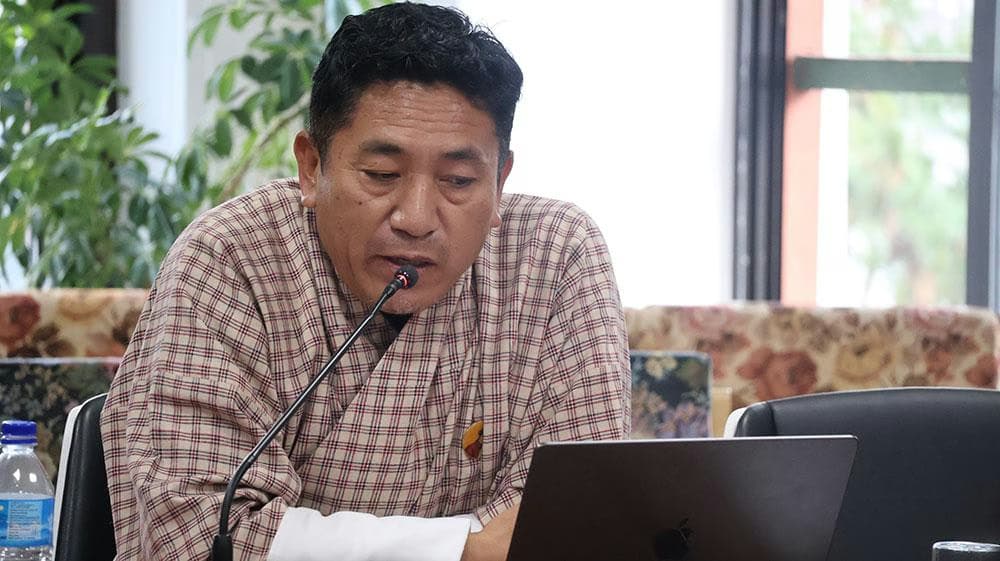
🌍 As the world grapples with climate change, the push for sustainable energy solutions has never been more crucial. Bhutan is stepping up with an ambitious plan to transform the way its citizens cook. The Department of Energy (DoE) is spearheading a nationwide rollout of clean cooking solutions, targeting 30,000 households, with the power of carbon finance.
The Shift Towards Clean Energy 🌱
The drive for cleaner cooking solutions in Bhutan is not just about reducing carbon emissions but also about enhancing energy efficiency and reducing reliance on conventional fuels. Traditionally, Bhutanese households have relied heavily on Liquefied Petroleum Gas (LPG) and biogas. However, the global disruptions and rising LPG consumption have highlighted the need for a more sustainable approach.
The Role of Carbon Finance 💰
Carbon financing plays a pivotal role in this initiative. This financial mechanism enables the country to bridge funding gaps that are crucial for large-scale adoption. By tapping into carbon markets, Bhutan can not only support the rollout of electric cooking solutions but also leverage financial resources to promote climate mitigation and energy security.
A Data-Driven Approach 📊
In collaboration with the United Nations Economic and Social Commission for Asia and the Pacific (UN-ESCAP) and Modern Energy Cooking Solutions (MECS), the DoE has already piloted IoT-enabled induction cookstoves in 650 households. These smart stoves provide real-time data on energy consumption, paving the way for future carbon financing opportunities.
Community Engagement and Pilot Programs 👨👩👧👦
The pilot initiatives haven’t stopped there. With support from the UNDP-GEF small grants programme, the DoE has extended clean cooking solutions to 180 highland households in Merak and Sakteng. This project, in collaboration with the Bhutan Ecological Society, not only provides cleaner cooking alternatives but also introduces energy-efficient electric heaters.
The Challenges and Opportunities 🔍
Despite the promising outlook, the nationwide rollout faces challenges. The high upfront cost of electric cookstoves can be a barrier, especially for lower- and middle-income families. To counter this, the DoE is exploring subsidies, concessional financing, and a technology swap mechanism where an LPG cylinder is exchanged for an e-cookstove.
Boosting Local Manufacturing 🏭
To further ensure the success of the clean cooking rollout, there's a focus on local manufacturing and assembly of these appliances. This strategy not only reduces supply chain risks but also improves affordability and supports local economies.
Future Prospects and Broader Implications 🌟
The implications of this project extend beyond individual households. By achieving widespread adoption of clean cooking solutions, Bhutan can reduce its dependence on imported fuels, strengthen its energy security, and make significant strides in its climate mitigation efforts.
The success of this initiative could serve as a model for other nations looking to implement sustainable energy solutions while supporting local economies and reducing carbon footprints.
Conclusion: A Cleaner Future 🌍🔥
The national rollout of clean cooking solutions in Bhutan represents a significant step towards a sustainable future. With the strategic use of carbon finance, Bhutan is not only addressing immediate energy needs but also laying the groundwork for long-term energy security and environmental sustainability. As the rollout progresses, it promises not only to transform the cooking habits of thousands but also to empower communities and protect the planet.
You May Also Like
Environment
Wildlife Conflict Crisis: How Neglected Private Land Threatens Tashicholing
October 19, 2026
Environment
Climate Crisis in the Himalayas: Bhutan's Cold Reminder
August 29, 2026

Environment
WBH Conservation Project Delivers Clean Water to Rural Homes
August 29, 2026
Environment
HKH Climate Crisis: Why Regional Unity Matters Now
August 29, 2026