Category:
EnvironmentBhutan's Water Quality Challenges Persist
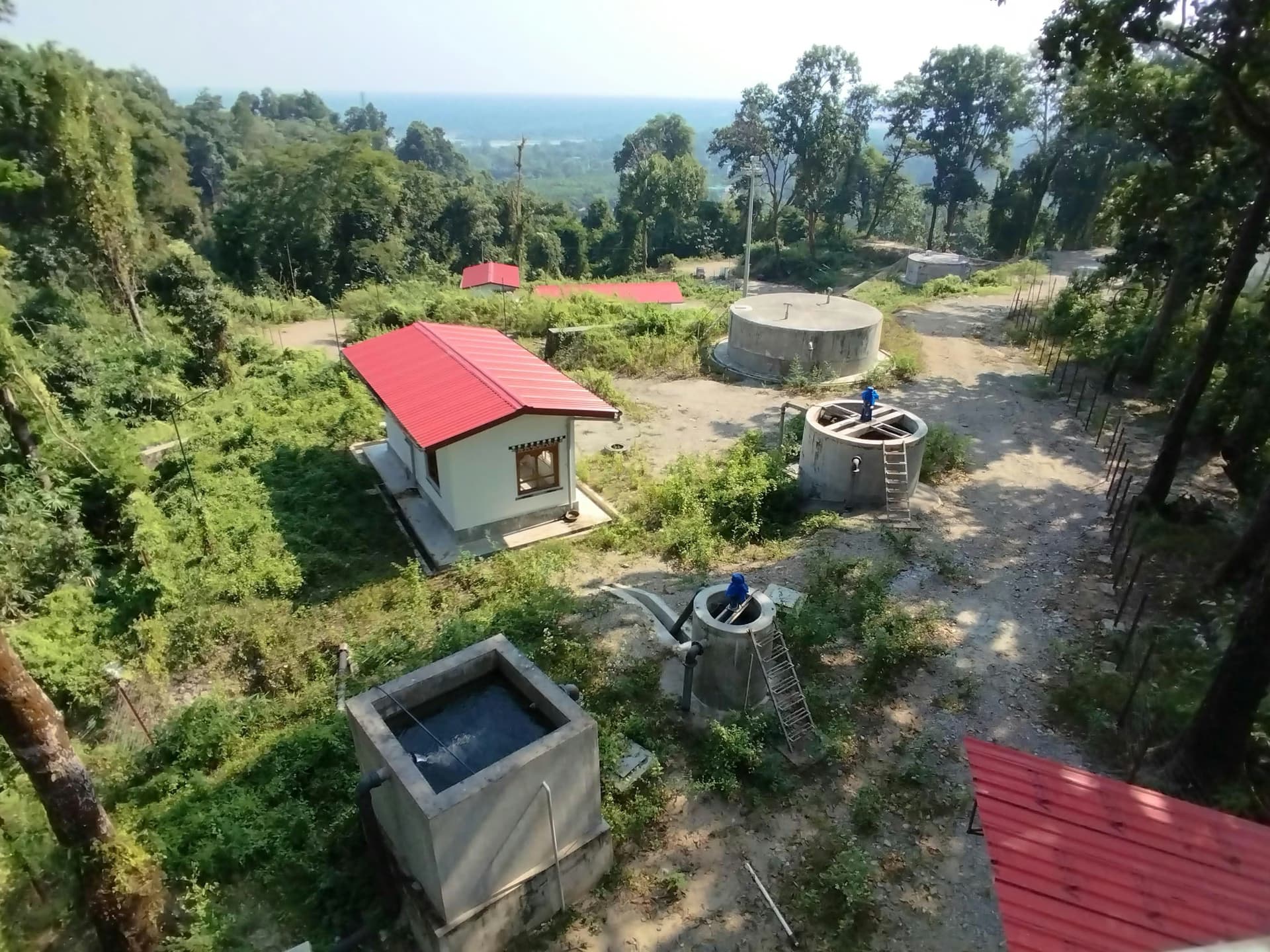
The Persistent Water Quality Challenge in Bhutan 🌊
Despite significant investments and efforts to improve water infrastructure, Bhutan faces ongoing challenges in achieving high water quality standards. A recent study by the Royal Centre for Disease Control (RCDC) highlights these persistent issues, raising concerns over the effectiveness of current water safety measures. Let's delve into why these challenges persist despite years of effort and investment.
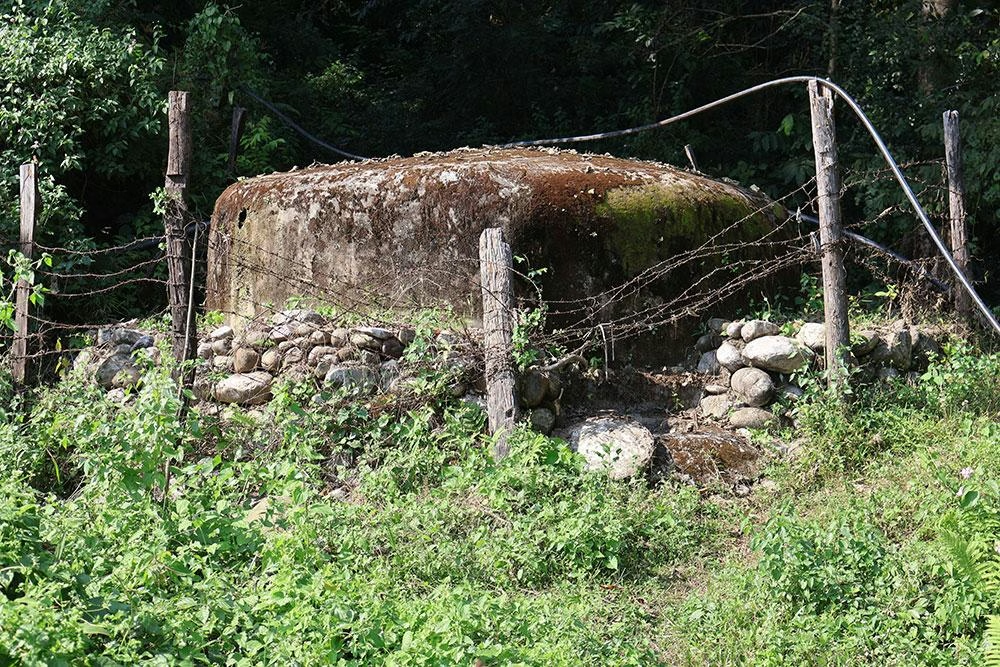
Investment Without Improvement 💸
For over eight years, Bhutan has invested heavily in its water infrastructure. However, findings from the 2025 edition of the Journal of Water and Health indicate that these efforts have not significantly improved the quality of drinking water. Microbial contamination remains the most pressing issue, affecting both urban and rural water systems.
The study analyzed 31 urban and 242 rural water systems, revealing that only 52.8% of urban water samples met national microbial standards. The eastern regions, particularly Trashiyangtse, Trashigang, and Lhuentse, recorded the lowest compliance levels.
Urban vs. Rural Water Systems 🏙️🌳
Interestingly, rural water systems in Bhutan have shown better microbial compliance compared to their urban counterparts. The study found that 70.1% of rural samples met national standards, with Dagana being the exception, recording compliance below 50%.
Rural water systems, often community-managed, benefit from government support mainly in terms of construction materials. However, these systems still face significant contamination risks, especially when assessed against World Health Organization (WHO) guidelines.
The Disinfection Dilemma 🧪
A critical gap identified in the study is the inefficiency of disinfection systems. Of the 7,094 samples tested for residual chlorine, a mere 11.9% met the required standards. This points to a broader challenge in maintaining effective disinfection across Bhutan's water distribution systems.
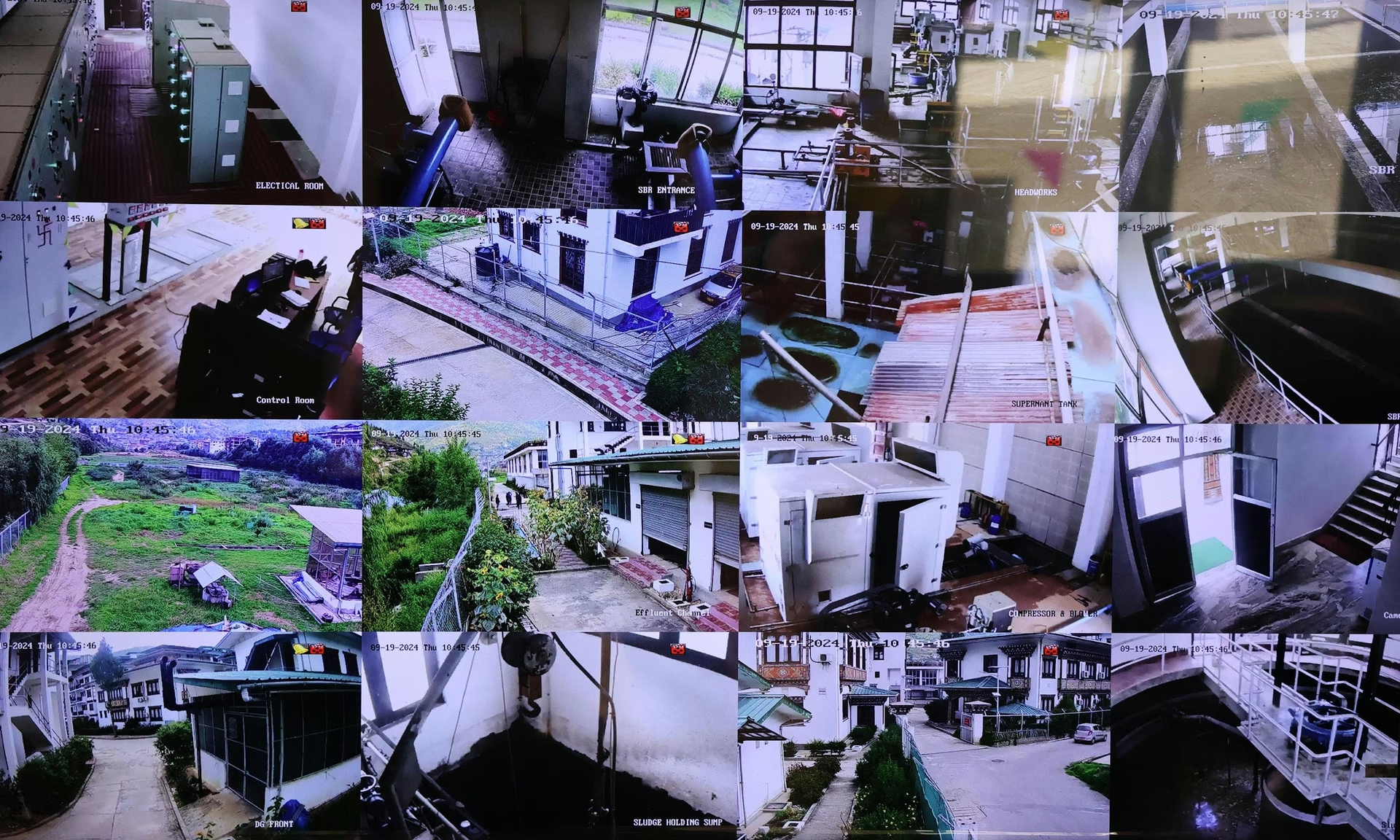
Microplastics: An Emerging Concern 🌐
Aside from microbial contamination, microplastics have emerged as a significant concern in Bhutan's water sources. Stream water recorded the highest concentration at 5.12 micrograms per litre. The presence of microplastics is attributed to degrading plastic waste and synthetic fibres.
Currently, there are no international safety standards for microplastics in drinking water, and Bhutan's regulatory efforts remain focused on microbial contamination. Health Minister Tandin Wangchuk emphasizes the need for improved pathogen control and safe water treatment systems.
Moving Towards Risk-Based Management 🔍
The study recommends a shift towards risk-based water safety management. Implementing comprehensive water safety plans could enhance the effectiveness of existing systems. The National Health Survey indicates that 99.7% of Bhutanese have access to improved drinking water sources, yet compliance with quality standards has remained low.
Looking Ahead: Future Steps and Challenges 🛠️
Under Bhutan's 13th Five-Year Plan, the government aims to increase access to safely managed drinking water from 70.3% in 2023 to 90%. The Bhutan Drinking Water Quality Standard 2025 aims to strengthen the regulatory framework, addressing both microbial and emerging concerns like microplastics.
Conclusion: A Path Forward 🚀
Bhutan's water quality challenges require a multifaceted approach, focusing on both immediate microbial risks and emerging issues like microplastic contamination. Enhanced data analysis, risk-based management, and robust regulatory frameworks are essential to ensure sustainable improvements in water quality.
As Bhutan continues to navigate these challenges, ongoing research and policy adjustments will be critical. The commitment to improving water safety will not only protect public health but also ensure a sustainable future for Bhutan's water resources.
You May Also Like

Environment
Bhutan's Digital Genetic Resources: A Path to Prosperity
October 24, 2026
Environment
GPS Collar Tracks Snow Leopard in Nubri
October 24, 2026
Environment
Biodiversity Finance: The Critical Fault Line at COP17
October 24, 2026

Environment
COP17 Yerevan: Global Biodiversity Review Shapes Nature's Future
October 21, 2026