Category:
EnvironmentRinchending Bypass: Costly Slope Failures
Engineering Challenges on the Rinchending Bypass
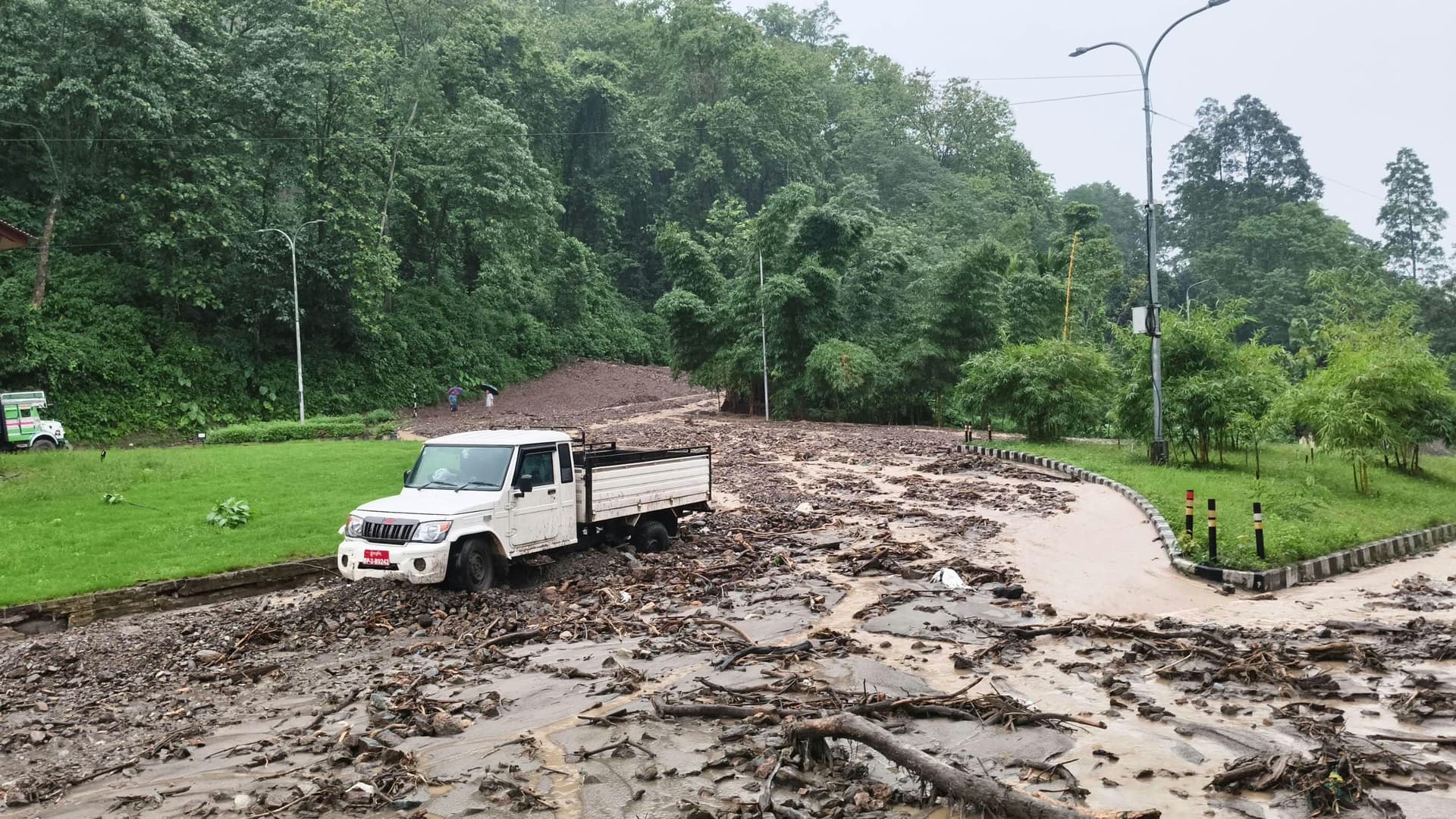
In the picturesque yet challenging terrain of Bhutan, the Rinchending bypass is facing significant hurdles. Repeated slope failures and landslides on this crucial link between Phuentsholing and Thimphu have led to substantial delays and increased costs. Originally designed as a reliable alternative during monsoon disruptions, this 1.6-kilometer bypass has become a financial and engineering burden. 🌧️
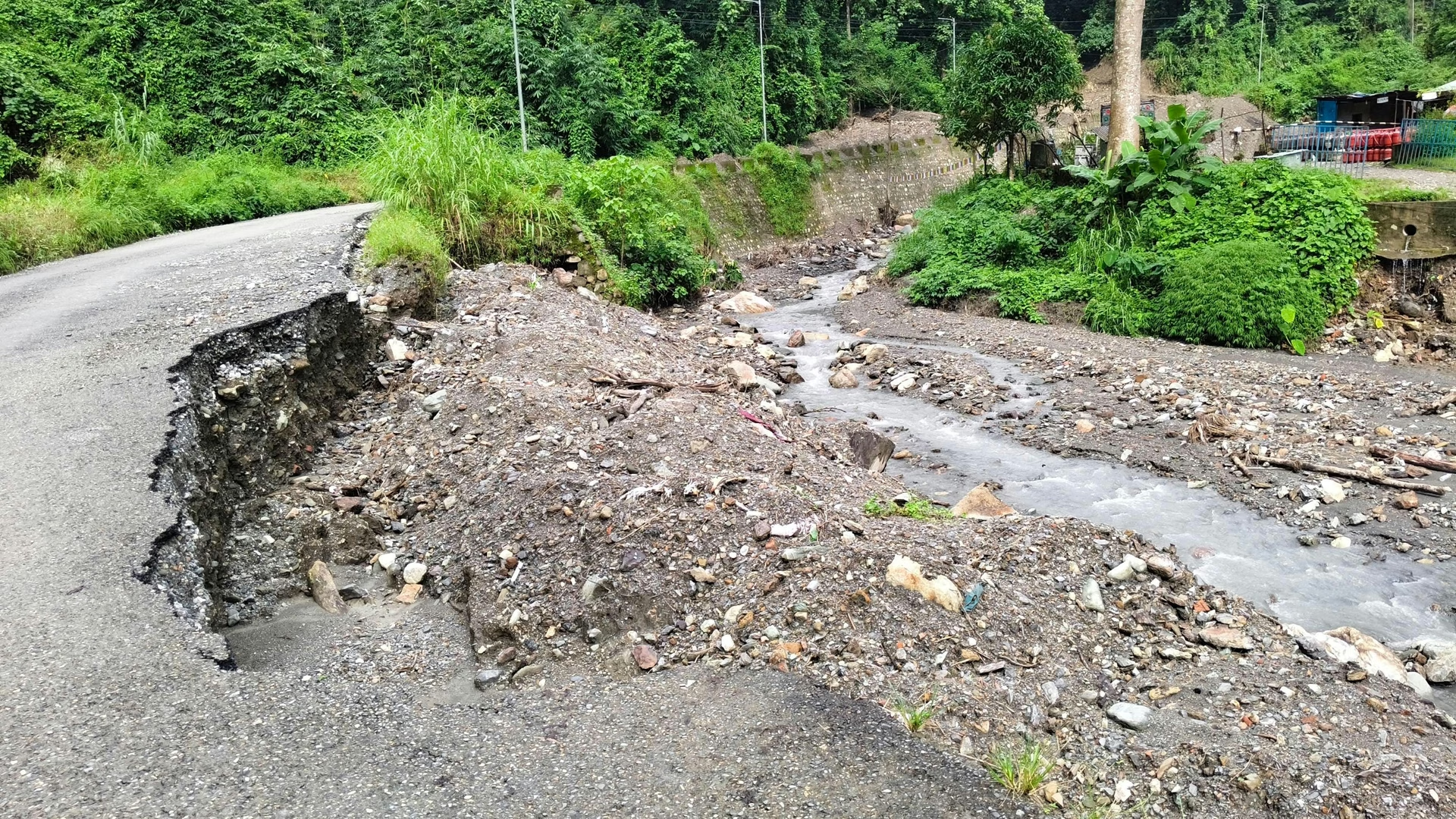
The construction of the bypass has been hindered by repeated landslides, damaging sections of the highway, drainage systems, and downstream infrastructure. The unstable ground conditions have necessitated long-term slope stabilization measures and environmental mitigation, pushing the project beyond its original budget of Nu 134.4 million.
Environmental and Geotechnical Assessments
The persistent slope failures have sparked debate over the adequacy of initial environmental and geotechnical assessments. Critics argue that more comprehensive evaluations could have preempted many of the current challenges. In a country like Bhutan, where the mountainous terrain poses inherent risks, understanding slope instability and drainage patterns is critical before embarking on major infrastructure projects. 🏞️
Broader Impact on the Community
The consequences of these slope failures extend beyond construction delays. In Pemaling, for example, continuous debris flow has deposited large volumes of sediment in local streams, raising riverbeds and increasing the risk of flooding and erosion. This has not only threatened public facilities but has also encroached upon nearby settlements, raising alarms among residents.
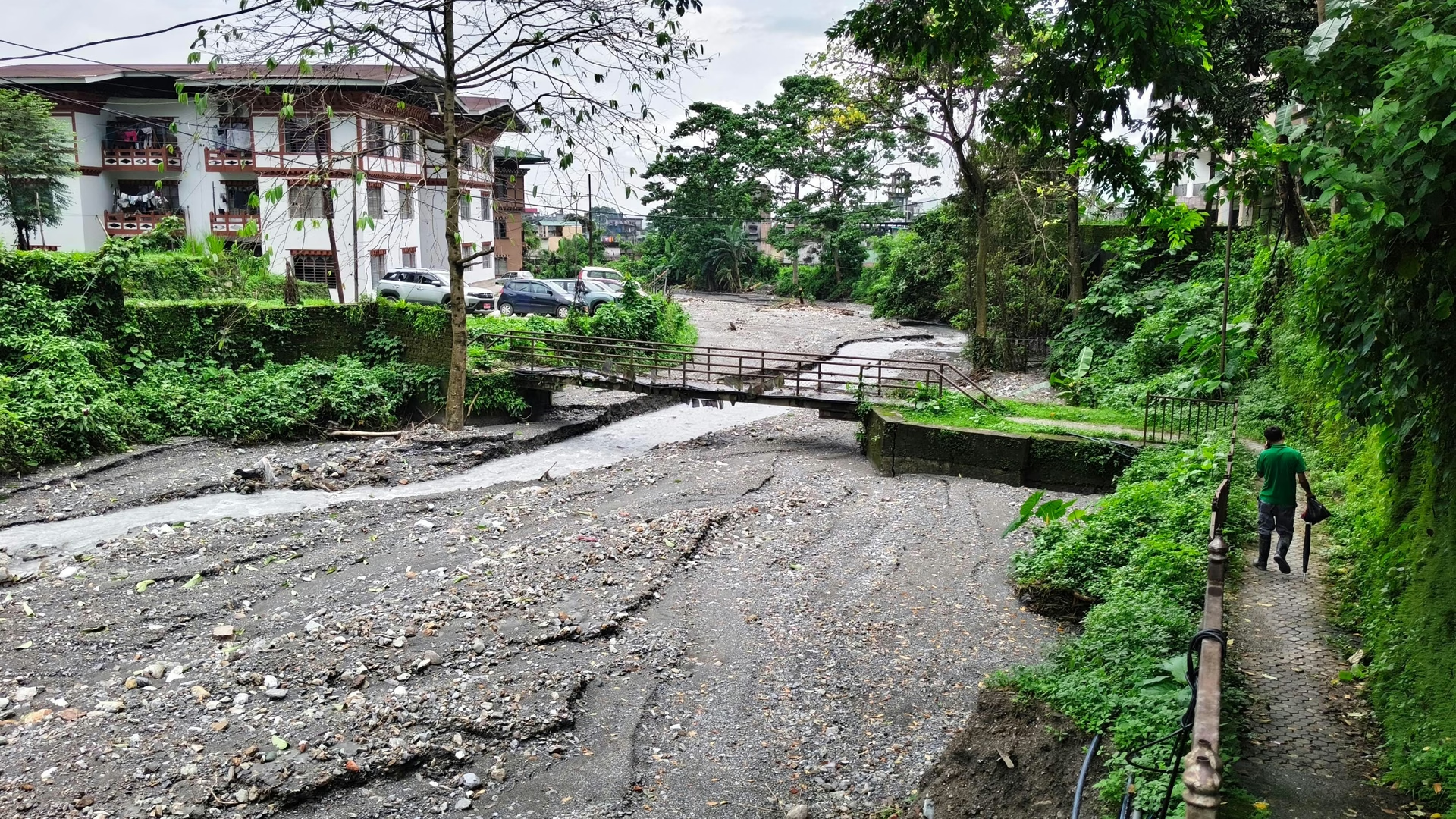
Private properties have been affected as well, with incidents such as hundreds of liquefied petroleum gas cylinders being washed away during landslide-induced floods. This highlights the urgent need for effective runoff management and mitigation measures.
Mitigation Measures and Future Steps
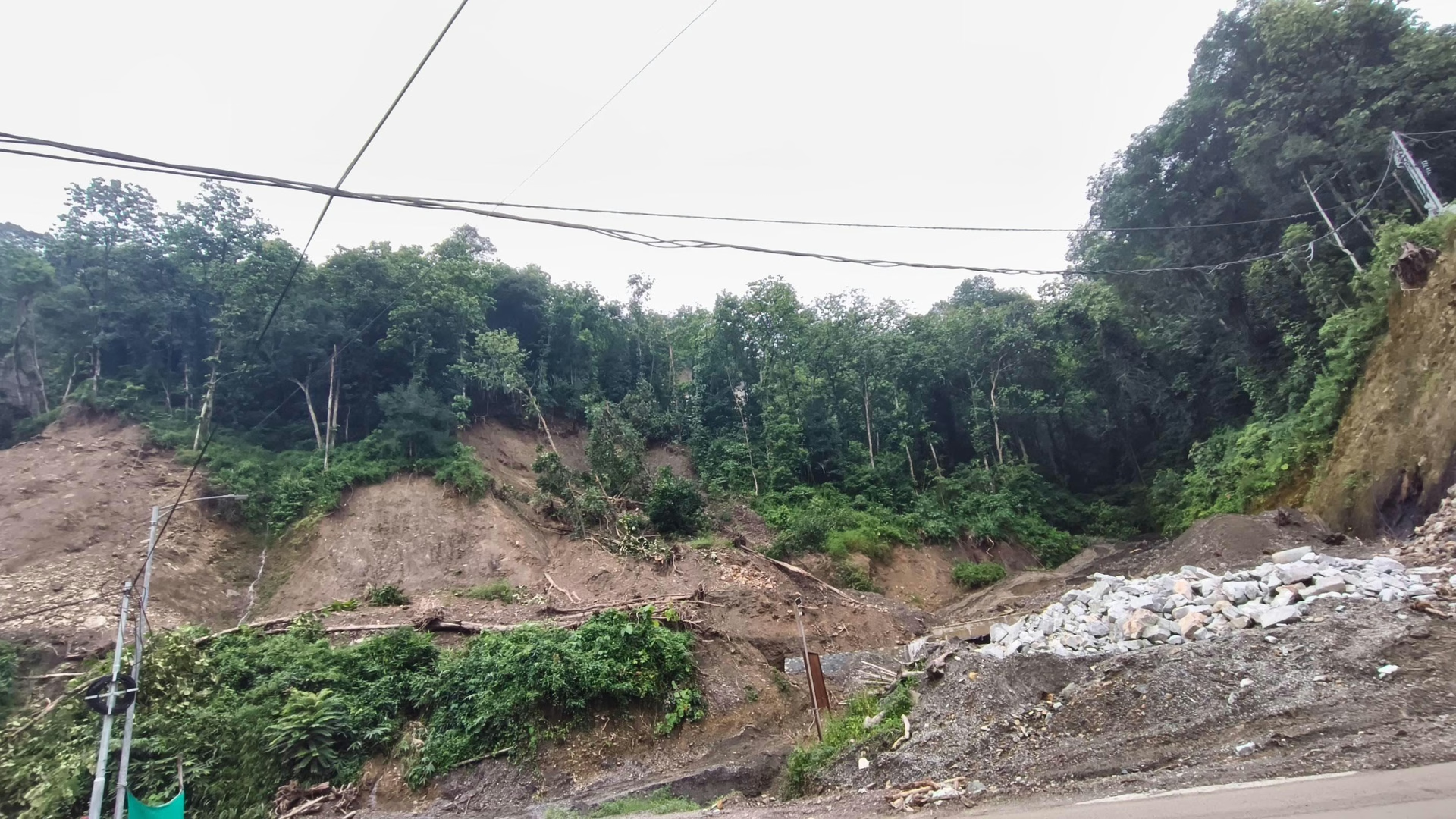
Despite the challenges, engineering interventions are underway to stabilize the slopes and protect the bypass. The Department of Surface Transport (DoST) has identified key areas for permanent mitigation, proposing the construction of toe walls, check walls, and crib frame walls. These measures aim to control erosion and protect the road corridor from future monsoon impacts. ⚙️
Looking Ahead: Lessons Learned
The issues faced by the Rinchending bypass underscore the importance of thorough planning and risk assessment in infrastructure projects. As Bhutan continues to develop, balancing infrastructure needs with environmental sustainability will be crucial. Future projects must integrate comprehensive geotechnical and environmental assessments to avoid costly setbacks and protect both the environment and local communities.
In conclusion, while the Rinchending bypass presents a significant challenge, it also offers valuable lessons for future infrastructure projects in Bhutan. By adopting a more cautious approach to construction in geologically sensitive areas, Bhutan can safeguard its natural beauty while advancing its development goals. 📈
The journey of the Rinchending bypass is a testament to the complexities of engineering in challenging terrains and serves as a reminder of the need for innovation and resilience in the face of natural adversity.
You May Also Like

Environment
COP17 Yerevan: Global Biodiversity Review Shapes Nature's Future
October 21, 2026
Environment
Wildlife Conflict Crisis: How Neglected Private Land Threatens Tashicholing
October 19, 2026
Environment
Climate Crisis in the Himalayas: Bhutan's Cold Reminder
August 29, 2026
Environment
WBH Conservation Project Delivers Clean Water to Rural Homes
August 29, 2026