Category:
EnvironmentBhutan's Framework for Wildlife Conflict Relief
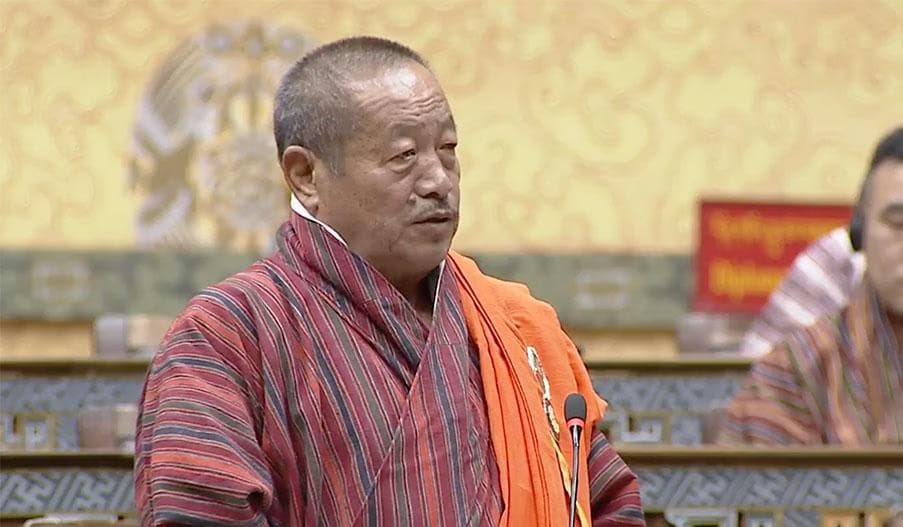
In Bhutan, the majestic landscapes are not only home to a diverse range of wildlife but also a source of concern for communities living in close proximity to these creatures. The Ministry of Energy and Natural Resources (MoENR) is taking significant steps to address these concerns by developing a comprehensive relief framework for victims of human-wildlife conflict.
Understanding the Human-Wildlife Conflict 🌿
Human-wildlife conflict is a growing issue in Bhutan, particularly in the southern dzongkhags. Residents face threats from elephants, tigers, and bears, leading to crop destruction, property damage, and in some cases, loss of life. Such incidents have not only instilled fear among communities but have also contributed to increased fallow agricultural land as farmers abandon their fields due to recurring wildlife intrusions.
The Legislative Backbone
The Forest and Nature Conservation Act of Bhutan 2023 mandates the government to institutionalize measures, including compensation, to mitigate these conflicts. Chapter 5, Section 119 of the Act specifically addresses the need for compensating losses caused by wildlife. However, despite this legal framework, implementation has lagged, leaving many victims without the promised relief.
Government's Proactive Measures 🏞️
MoENR Minister Gem Tshering revealed that the government is working on the National Human-Wildlife Casualty Relief and Accountability Framework. This framework aims to streamline compensation processes and ensure victims receive timely assistance. Collaborative efforts with the Ministry of Agriculture and Livestock have also introduced crop and livestock insurance schemes as interim measures.
Learning from Global Practices 🌍
The Bhutanese government is looking beyond its borders for practical solutions. For instance, in Thailand, utilizing fallow lands as elephant pastures has proven effective in reducing conflicts. Bhutan's southern regions, with similar fallow lands, present an opportunity to adopt such innovative strategies.
Cross-Border Challenges and Solutions 🇧🇹🇮🇳
The movement of elephants across the Bhutan-India border complicates the conflict management. Minister Tshering acknowledged the need for bilateral cooperation with India to address these transboundary wildlife issues effectively. Joint efforts could lead to better management of wildlife corridors and reduce incidents of conflict.
The Road to Implementation 🚦
Despite the legislative framework, the delay in implementing effective measures has raised concerns. Opposition Leader Pema Chewang criticized the government's inefficiency, highlighting the gap between law enactment and practical application. Minister Tshering explained that institutional restructuring within the government had contributed to these delays but assured that the proposed framework would soon be operational.
Conclusion: A Path Forward 🌟
The development of a relief framework for wildlife conflict victims marks a critical step forward for Bhutan. By drawing on both domestic expertise and international best practices, the government aims to create a sustainable and effective solution to the challenges posed by human-wildlife interactions. As Bhutan navigates these complexities, the hope is for a harmonious coexistence between its people and wildlife, preserving its rich biodiversity while protecting its communities.
Key Takeaways
- The MoENR is developing a structured relief framework for human-wildlife conflict victims.
- Legislative measures exist but require effective implementation.
- Global practices offer valuable insights for managing conflicts.
- Cross-border cooperation with India is crucial for addressing transboundary wildlife issues.
As Bhutan moves towards implementing this framework, stakeholders remain optimistic about improved measures to protect communities and foster sustainable coexistence with wildlife.
You May Also Like
Environment
Climate Crisis in the Himalayas: Bhutan's Cold Reminder
August 29, 2026
Environment
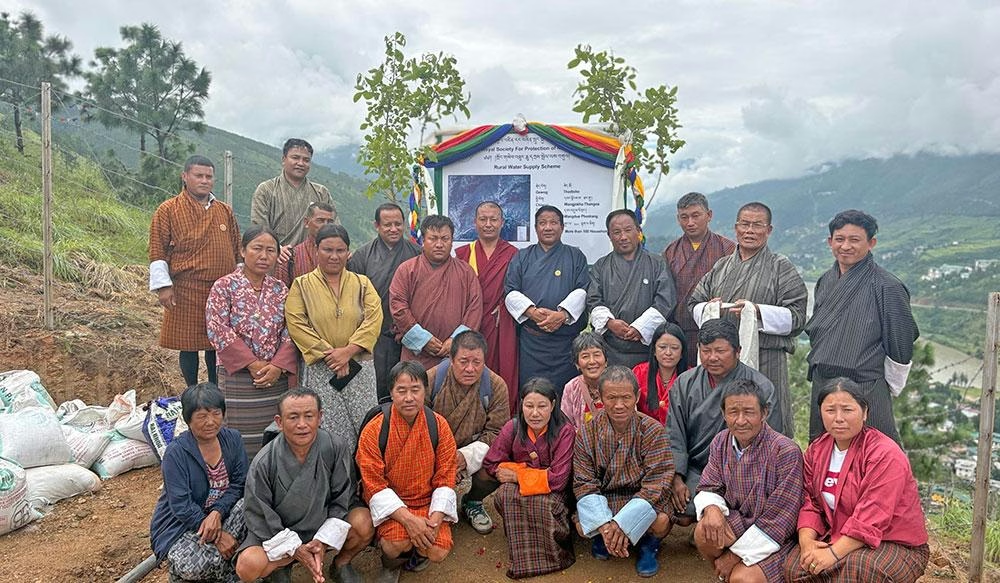
WBH Conservation Project Delivers Clean Water to Rural Homes
August 29, 2026
Environment
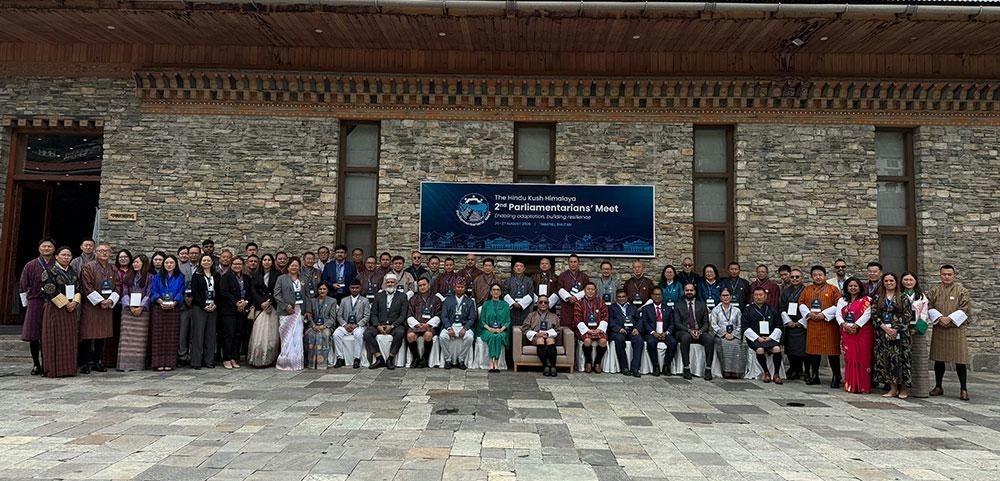
HKH Climate Crisis: Why Regional Unity Matters Now
August 29, 2026
Environment
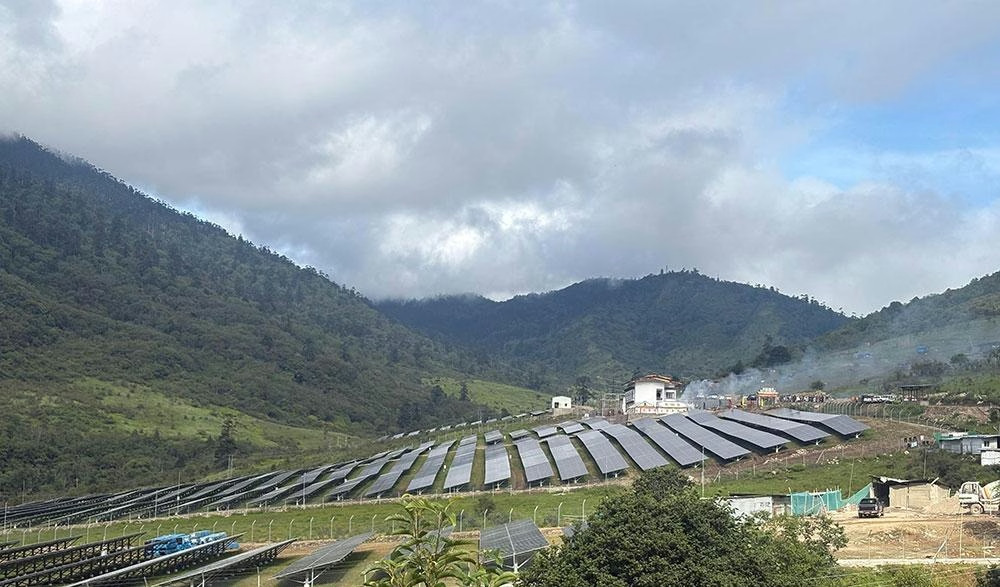
Bhutan's Solar Power Revolution: Energy Security Strategy
August 26, 2026