Category:
NewsYak Herds Sustain Bhutanese Highlands
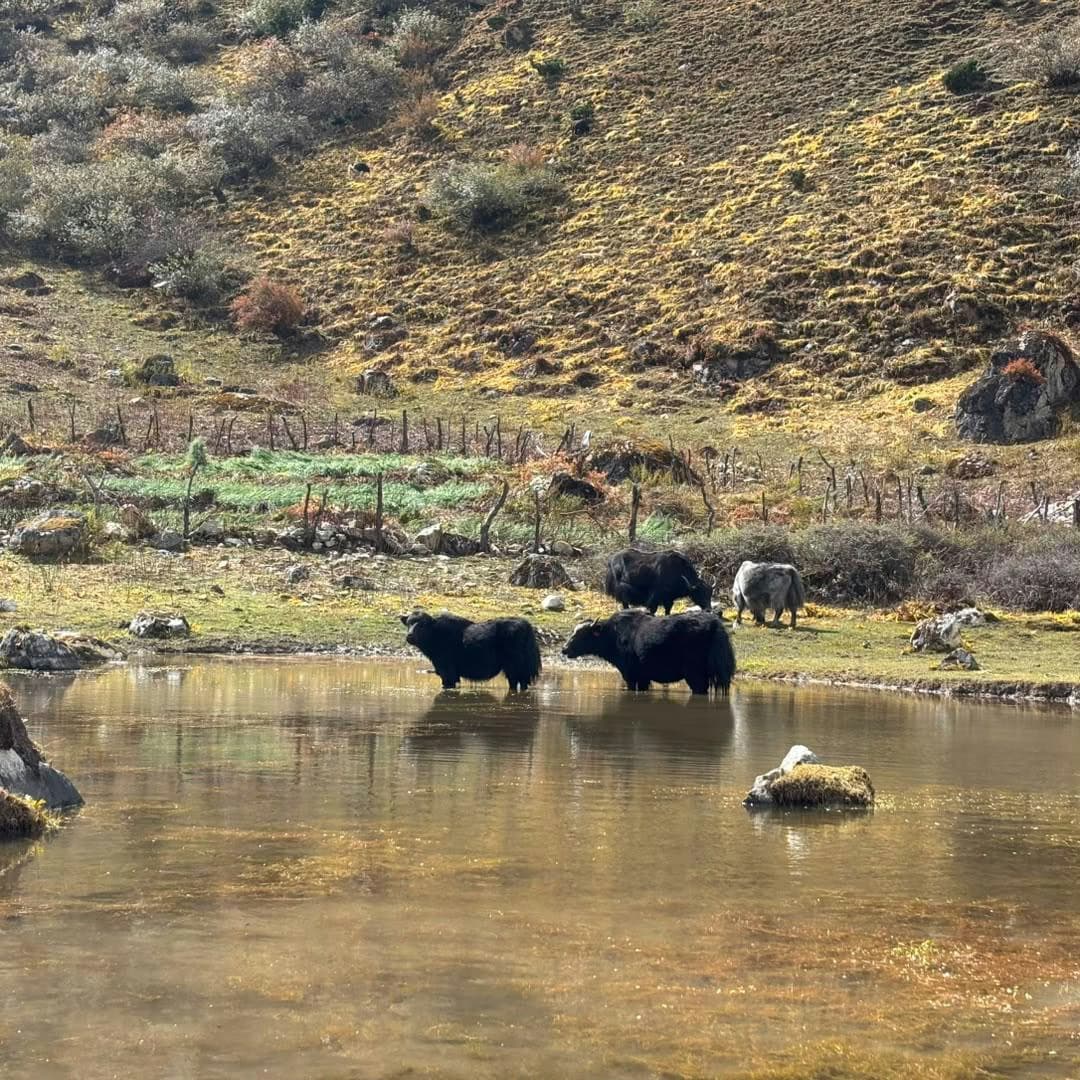
Yak Herds: Backbone of Highland Livelihoods 🐂
In the picturesque highlands of Bhutan, a fascinating study has revealed that a herd of 23 milch yaks forms the economic cornerstone for sustaining a household. This analysis, embedded in the rich tapestry of Bhutan's pastoral traditions, highlights the intricate balance between cultural heritage and modern-day economic needs.
The Study's Revelations 📊
Conducted by the Livestock Sector of Thimphu Dzongkhag Administration and published in the Bhutan Journal of Animal Science, the study surveyed 108 yak-herding households. The key finding? A herd of 23 milch yaks is necessary to meet the average rural household income in Bhutan. This number serves as a financial break-even point, allowing highland families to thrive economically.
Economic and Cultural Significance 🌍
Yak husbandry is more than just an economic activity; it is a cultural emblem in the highlands of Bhutan. Yaks provide milk, meat, butter, and cheese, which are staples in local diets. They also contribute to the preservation of alpine rangelands and play a critical role in highland economies. Despite the allure of alternative income sources such as cordyceps collection, yak farming remains the bedrock of livelihoods in areas like Dagala Gewog.
Regional Variations in Yak Dependency 🏞️
The study uncovered fascinating regional variations. Dagala Gewog, for instance, recorded the highest income from yak farming, making it the principal livelihood source. In contrast, Soe, Naro, and Lingzhi gewogs have seen a shift towards alternative income streams. Cordyceps and non-wood forest products are becoming increasingly popular, raising questions about the future of traditional yak husbandry.
Challenges and Concerns 🚨
Several challenges threaten the sustainability of yak farming. The study highlights demographic concerns, with a significant portion of herders being older and less educated. This demographic trend raises alarms about the continuity of yak husbandry. Additionally, climate change poses significant threats, with herders reporting changes in snowfall patterns, pasture degradation, and increased wildlife predation.
Addressing the Issues: Policy and Innovation 💡
To safeguard this traditional practice, the study recommends several interventions:
- Improved Rangeland Management: Ensuring better grazing options and enhancing pasture quality.
- Breeding Programs: Introducing superior breeding bulls to avoid inbreeding and boost productivity.
- Climate Adaptation Strategies: Implementing measures to combat environmental changes affecting yak farming.
- Youth Engagement: Creating incentives to attract younger Bhutanese to this age-old practice.
The Path Forward 🌟
Despite the challenges, yak husbandry remains a resilient and adaptable practice. Herders are exploring innovative solutions, such as supplementing yak diets during harsh winters. Such efforts are vital in maintaining the viability of yak farming as both an economic activity and a cultural tradition.
Conclusion: Embracing Tradition and Innovation 🎇
Yak farming in Bhutan is at a crossroads. Balancing traditional practices with modern economic realities is crucial for sustaining highland livelihoods. With targeted policy interventions and community engagement, there is hope that yak husbandry will continue to thrive, preserving Bhutan’s rich cultural heritage for generations to come.
You May Also Like

News
Drukair Employee Arrested in Major Cannabis Smuggling Investigation
October 23, 2026

News
Gelephu Prepares for 40,300 Vehicles Ahead of Project 108
October 21, 2026
News
Third Child Plus Programme Disburses Nu 186M to 6,510 Children
October 21, 2026
News
German-Bhutan Society Backs Gelephu Mindfulness City
October 21, 2026