Category:
EnvironmentWhere Our Water Comes From: Bhutan's Lifeline
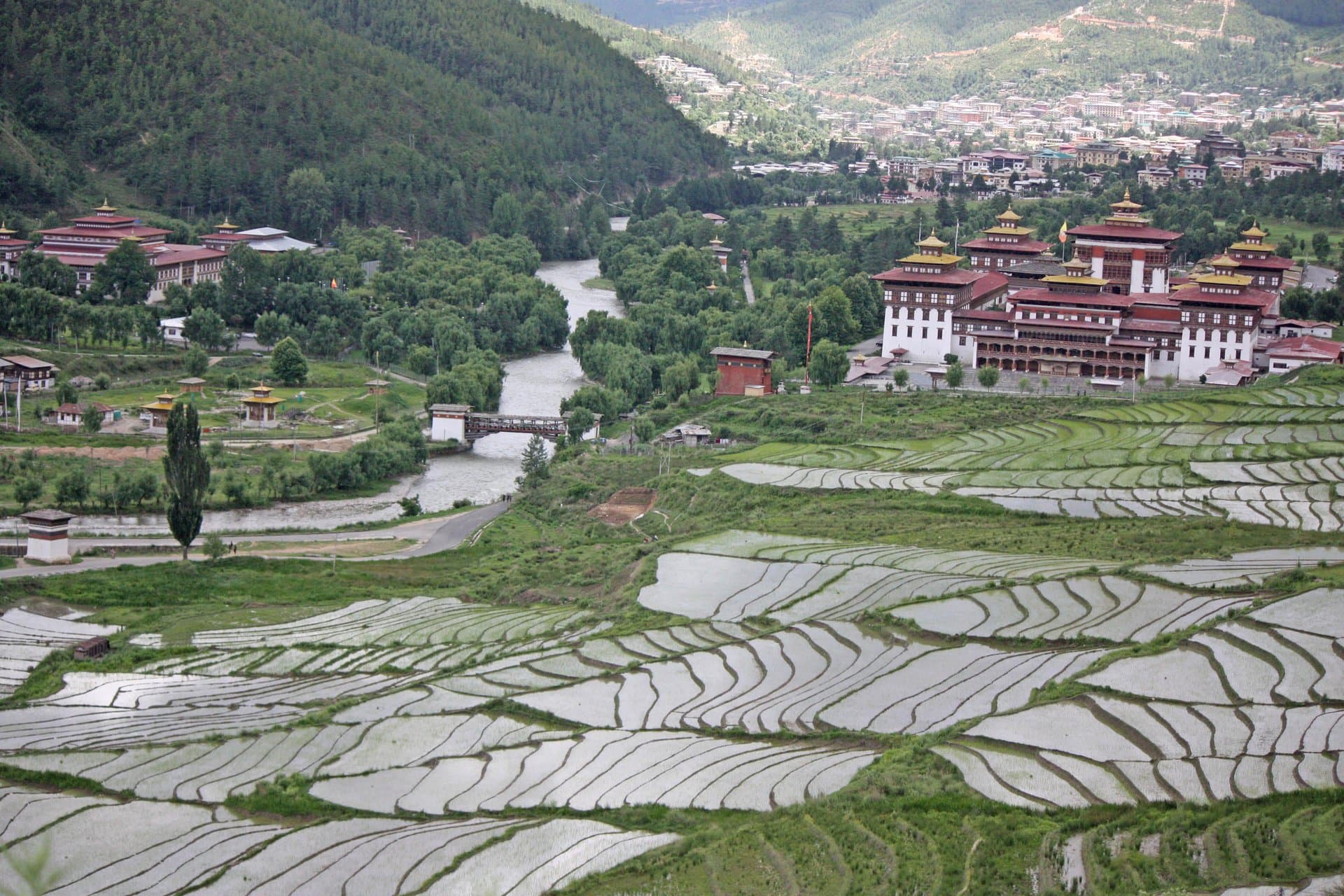
Water, the essence of life, is a precious resource that sustains communities, economies, and ecosystems. But have you ever wondered where our water comes from, especially in a diverse landscape like Bhutan? 🌿
Unveiling Bhutan's Water Sources 💧
Bhutan's rivers, streams, and lakes are primarily fed by precipitation. Recent research in the eastern regions, particularly the Dungju Ri and Yude Ri catchments, indicates that about 70% of stream water originates from rainfall. This finding is crucial for understanding how water resources are managed across the Himalayan landscape, from the mountainous north to the southern foothills.
The Role of Precipitation ☔
Precipitation, whether as rain or snow, is a key driver of river flow in the Himalayas. It supports agriculture, hydropower, and sustains local ecosystems. However, the variability of these elements and their contribution over time is not fully understood due to the region's remoteness and insufficient data sharing between countries.
Challenges of Climate Change 🌡️
Climate change poses a significant challenge to Bhutan's water resource management. Rising global temperatures, as projected by the IPCC, threaten to destabilize the Himalayan region by accelerating glacier retreat and thawing permafrost. This could lead to more frequent landslides and rockfalls, intensifying runoff, and shortening the intervals between extreme flooding events in the Ganga and Brahmaputra basins.
The Importance of Water Management in Bhutan 🌍
Water is not just about meeting immediate needs. Bhutan's ambitious projects, such as establishing energy-intensive industries, rely heavily on water resources. The country's hydropower, agriculture, and tourism sectors, which are pivotal for GDP growth, also demand substantial water use.
Managing Water Sources Effectively 📈
The springshed management approach is gaining traction in Bhutan as a means to mitigate drying water sources. By identifying recharge zones and creating infiltration pits, communities hope to revive springs and streams. However, this requires clear technical guidance and stakeholder commitment to monitor water levels and quality over several years.
Data Gaps and Technological Advances 🛰️
Addressing data gaps is crucial for effective water management. Researchers like PhD scholar Tshewang, using advanced hydrogeochemical techniques, have begun exploring water sources at various elevations in the Yude Ri and Dungju Ri catchments. These techniques, which include natural and artificial tracers, help track water movement through the environment.
Conclusion: A Call to Action for Water Stewardship 🚀
Understanding where our water comes from is the first step in developing comprehensive water management strategies. For Bhutan to sustain its growth and safeguard its water resources, it must prioritize research, data collection, and stakeholder engagement. By doing so, we can ensure a sustainable future for Bhutan's communities and ecosystems.
Stay informed and engaged as Bhutan navigates the complexities of water resource management. The journey to understanding and preserving our water sources is ongoing, but it is one that holds the promise of a secure and sustainable future. 🌟
You May Also Like
Environment
Climate Crisis in the Himalayas: Bhutan's Cold Reminder
August 29, 2026
Environment
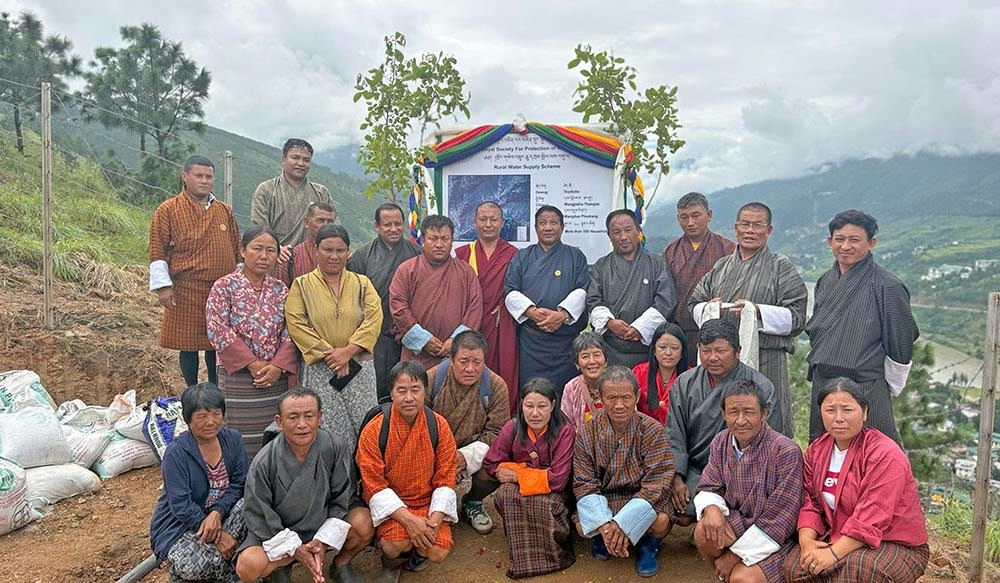
WBH Conservation Project Delivers Clean Water to Rural Homes
August 29, 2026
Environment
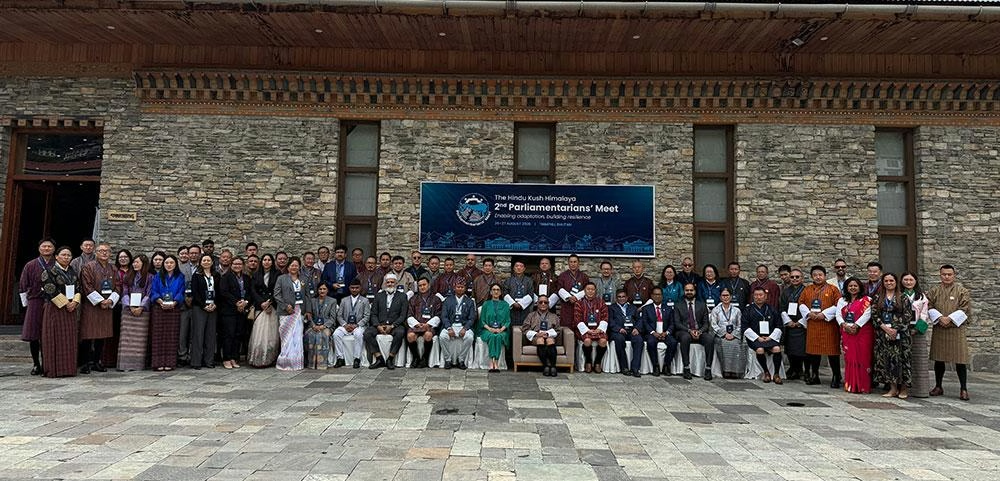
HKH Climate Crisis: Why Regional Unity Matters Now
August 29, 2026
Environment
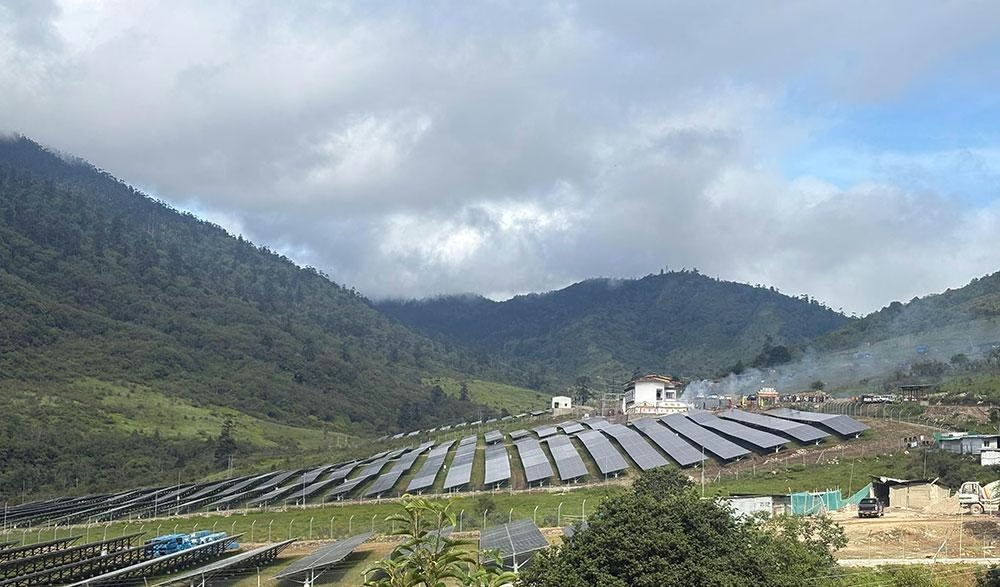
Bhutan's Solar Power Revolution: Energy Security Strategy
August 26, 2026