Category:
CultureUnveiling the True Wealth of Dzambhala
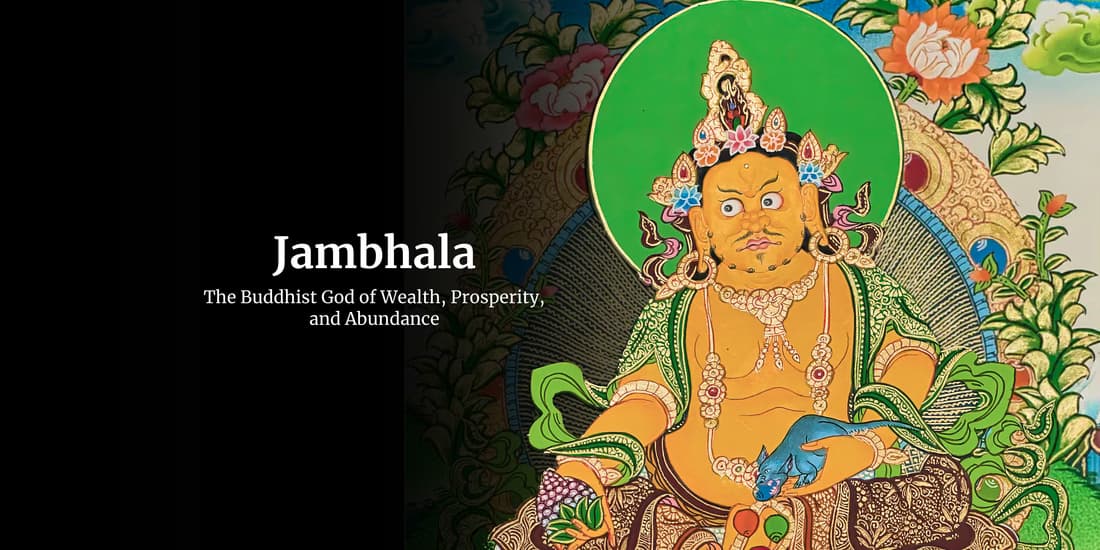
Understanding Dzambhala: A Deity of Wealth and Prosperity
In the heart of Bhutanese culture, Dzambhala stands as a symbol of wealth and prosperity. Known also as Jambhala in Sanskrit, Dzambhala is revered for his ability to bestow abundance and generosity upon devotees. While many associate Dzambhala strictly with material wealth, his true significance in Buddhism transcends the worldly realm. 🌟
Five Faces of Dzambhala
Dzambhala is often depicted in five principal forms: Yellow, White, Black, Green, and Red. Each form represents different aspects of enlightened activity. Yellow Dzambhala, in particular, is closely linked to wealth and prosperity, making him the most widely worshipped form among practitioners.
The Legend Behind the Wealth
The origin of Dzambhala's association with wealth is rooted in a sacred tale. When Devadatta, a cousin of the Buddha, attempted to harm him, the Dzambhalas emerged as protectors. To heal the injuries they sustained, the Buddha emanated water from his palms, symbolizing generosity and abundance. This act of compassion is mirrored in the water-offering rituals practiced by devotees today. 💧
The Misinterpretation of Material Wealth
For many, the practice of worshipping Dzambhala seems to focus solely on material gain. This is evident in the prevalence of Dzambhala thangkas and statues in businesses. However, this perception only scratches the surface of a deeper spiritual journey.
Wealth as a Means, Not an End
In Buddhism, the ultimate goal is liberation, not material attachment. Dzambhala practices are designed to guide individuals toward this truth. While wealth can indeed support Dharma activities, it is not the end goal. Instead, it serves as a tool for enlightenment, helping practitioners transcend worldly attachments.
Liberation and the Illusion of Wealth
Defining Liberation in Buddhism
Liberation is often misunderstood as a mystical or esoteric concept. In reality, it is the simple act of seeing things as they truly are: impermanent and ever-changing. This recognition frees individuals from the cycle of craving and aversion, allowing them to experience true peace.
The Parable of the Movie Theatre
Imagine living your entire life in a movie theatre, mistaking the images on the screen for reality. One day, you step outside and realize the images were merely projections — not solid or permanent. This moment of clarity is akin to the liberation that Dzambhala practice aims to facilitate.
True Wealth: Beyond Material Gain
Wealth without wisdom reveals its limitations. While money can bring comfort, it does not address the deeper restlessness that plagues us. True abundance in Buddhism is found in freedom from the cycle of endless desire.
The Role of Dzambhala Practice
Dzambhala practice intertwines both the material and spiritual dimensions. On one level, it encourages generosity and supports conditions conducive to understanding and liberation. On a deeper level, it fosters an inner wealth — a stable sense of sufficiency that does not rely on external possessions.
Conclusion: Embracing True Abundance
In the end, Dzambhala's teachings remind us that true wealth is not measured by possessions but by inner peace and freedom. Embracing this perspective allows us to enjoy life without being consumed by the desire for more. As we align our practices with these principles, we unlock the true potential of Dzambhala's generous spirit. ✨
The journey to understanding Dzambhala is one of introspection and realization, urging us to look beyond the surface to uncover the enduring wealth within.
You May Also Like
Culture
Sacred Heart of 108 Chortens: Bhutan's Spiritual Masterpiece
August 26, 2026
Culture
When Colour Drains From the Scene: Spiritual Gatherings in Bhutan
August 15, 2026
Culture
The Vanishing Trade of Drukor: Bhutan's Fading Cultural Exchange
August 15, 2026
Culture
Yojay: Ancient Buddhist Prayer Practice Goes Global
August 12, 2026