Category:
CultureHip-Hop's Influence Sparks Debate in Bhutan
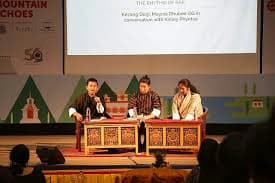
Hip-hop's meteoric rise is not just a global phenomenon; it's making waves in Bhutan as well. Once a niche interest, Bhutanese rap is now a mainstream staple, influencing playlists and social media feeds across the nation. This cultural shift, however, has sparked a heated debate over the genre's lyrical content and its broader cultural impact.
The Rise of Bhutanese Rap 🎤
The surge in hip-hop's popularity among Bhutan's youth can be attributed to its raw appeal and ability to articulate complex emotions and aspirations. For many young Bhutanese, rap is a powerful medium for self-expression, offering a voice to frustrations and dreams that might otherwise remain unspoken. However, the explicit themes often explored in these lyrics have raised concerns regarding their potential impact on impressionable audiences.
A Double-Edged Sword: Artistic Freedom vs. Social Responsibility
At the heart of the debate is the challenge of balancing creative freedom with social responsibility. While artists argue that the genre's unfiltered nature is essential to its authenticity, critics worry about the normalization of violence and explicit content. The Bhutan Information, Communication and Media Authority (BICMA) plays a pivotal role in this discussion, emphasizing the importance of responsible expression without stifling creativity.
BICMA's Stance on Content Regulation 📜
BICMA acknowledges the complexity of regulating content in a digital age. Rather than imposing strict censorship, the Authority advocates for media literacy and collaboration with artists to ensure that content aligns with Bhutanese cultural values. The ongoing revision of the Rules and Regulations on Content aims to address the gaps in regulating digital and user-generated content, reflecting the evolving media landscape.
The Role of Global Platforms
Platforms like TikTok and YouTube serve as crucial channels for Bhutanese artists to reach wider audiences. However, enforcing community guidelines to monitor harmful content remains a challenge due to jurisdictional limitations. This highlights the need for shared responsibility among artists, platforms, and regulators to prevent the spread of potentially harmful material.
Voices from the Bhutanese Rap Scene 🎶
Local artists, such as Kunzang Chogyel (CHOGO) and Kinley Wangchuk, emphasize the importance of reflecting on the influence their music has on listeners. They acknowledge the genre's Western influences but stress the need to be mindful of Bhutan's unique cultural context. Platforms like Unique Flow are instrumental in spotlighting underground talent while encouraging positive and constructive artistic expression.
Public Opinion: A Nation Divided
The Bhutanese public is divided on the issue. While some appreciate rap for its emotional depth and relatability, others worry about its potential to erode traditional cultural values. Concerns about the glorification of violence and explicit themes persist, with many calling for artists to consider the impact of their lyrics on young audiences.
The Future of Bhutanese Hip-Hop 🌟
Looking ahead, the future of hip-hop in Bhutan is likely to be shaped by ongoing dialogues between artists, regulators, and audiences. Ensuring that rap remains a creative outlet without promoting harmful behavior will require a collaborative effort from all stakeholders. As the genre continues to evolve, Bhutanese rap can serve as a bridge between modern expression and traditional cultural values, reflecting the country's dynamic and diverse identity.
In conclusion, the rise of hip-hop in Bhutan highlights the broader challenges of navigating cultural influences in a rapidly globalizing world. By fostering open conversations and encouraging responsible artistry, Bhutan can embrace the transformative power of hip-hop while safeguarding its rich cultural heritage.
You May Also Like
Culture
108,108 Prostrations: Sacred Spiritual Journey at Bhutan's Historic Chortens
October 24, 2026
Culture
Ancient Bhutanese Tradition Steps Into Digital Age
October 24, 2026
Culture
Thai Designer Transforms Bhutanese Textiles into Contemporary Fashion
October 23, 2026
Culture
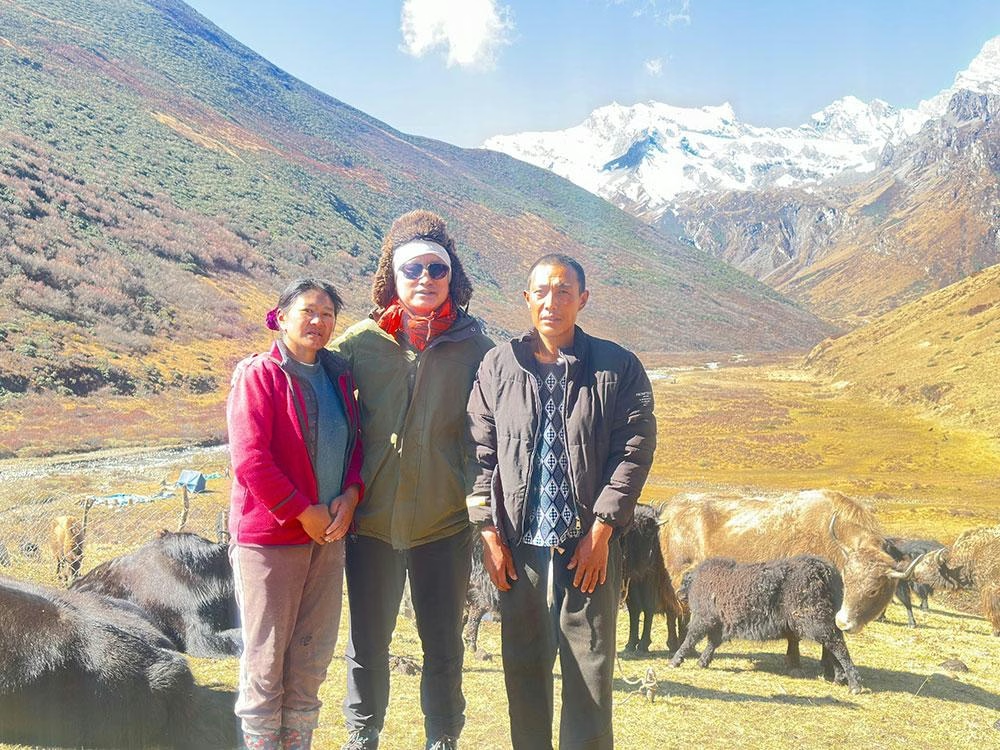
The Last Herds of Zhodu: Bhutan's Fading Pastoral Legacy
October 21, 2026