Category:
CultureUnderstanding Emptiness: A Cultural Insight
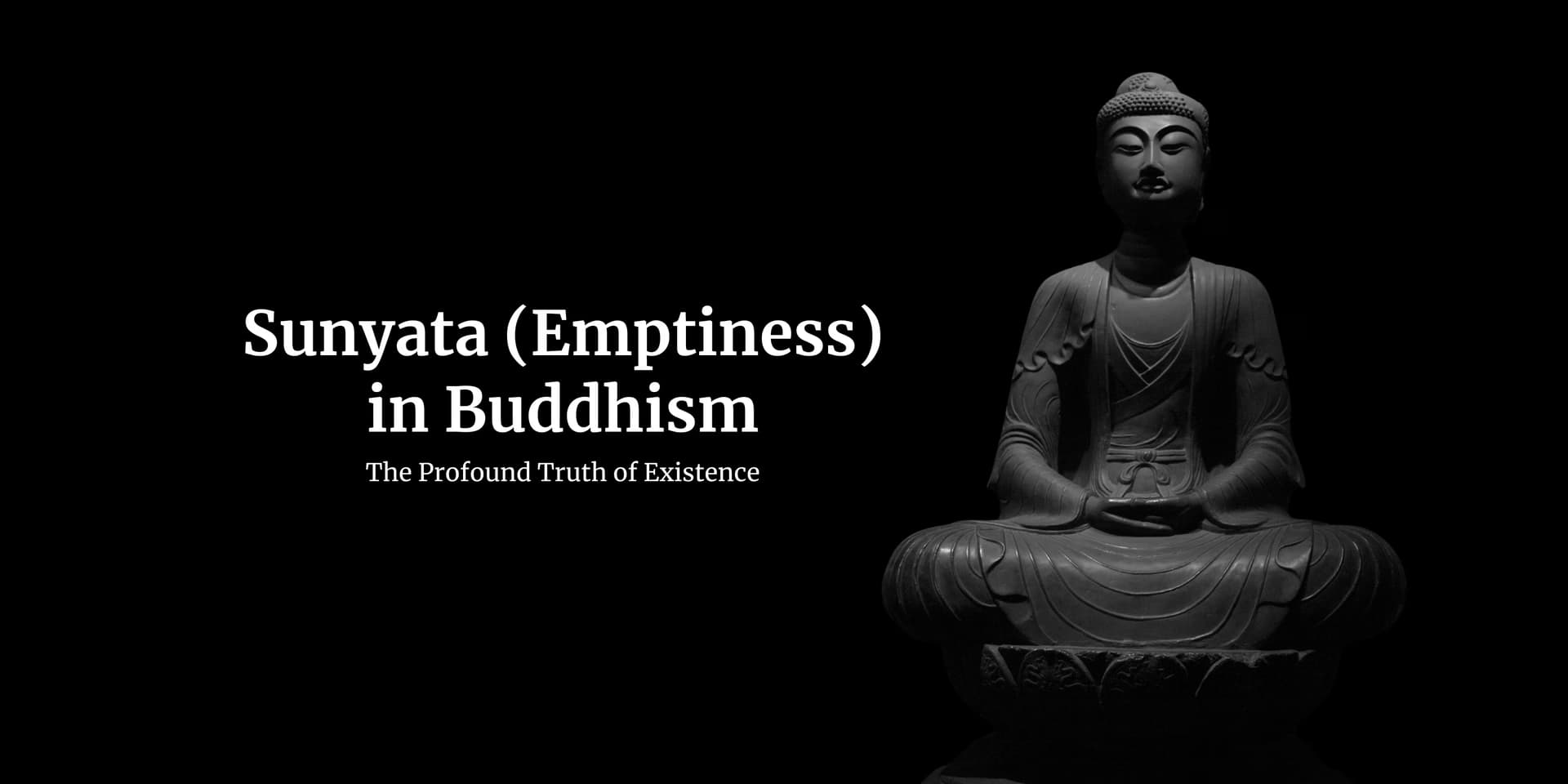
In a world bustling with vibrant cultures, the concept of emptiness in Buddhism poses a fascinating paradox. At first glance, the notion might seem perplexing—how can things be "empty" when they appear so vivid and tangible? Yet, exploring this idea opens doors to profound understanding and transformation. 🌏✨
The Essence of Emptiness
Emptiness, or tong-pa-nyid in Buddhism, is often misunderstood as nothingness. However, it is far from that. It signifies being devoid of inherent existence. Consider a table: it appears solid, but its essence is elusive. Remove its parts, and what remains? The idea of a "table" is a projection shaped by cultural perceptions. 🛠️
This concept extends to self-identity. Imagine stripping away layers of your being—organs, limbs, thoughts. What remains? The self, much like the table, is a label for a dynamic collection of processes without a permanent core.
Applying Emptiness in Daily Life
Recognizing emptiness can transform our interactions. Relationships, for example, are not merely defined by inherent traits of the other person but are shaped by mutual perceptions and conditions. This awareness fosters flexibility, encouraging us to view situations from multiple angles. 🌟
A Practice of Perception
To harness this insight, regularly remind yourself that opinions are just that—opinions. They are shaped by individual experiences, culture, and education. This realization nurtures empathy, allowing us to appreciate diverse perspectives without necessarily agreeing with them. 🤝
Emptiness and Cultural Conflicts
Understanding emptiness can illuminate the roots of conflict. Often, hostility arises from viewing cultures, nations, or ideologies as inherently "evil." This perspective is flawed; even individuals are products of their environment and experiences. How then can an entire group be inherently bad? 🕊️
Practical Wisdom for Modern Times
Shenphen Zangpo, a practitioner of Buddhism, emphasizes the relevance of these teachings in modern contexts. His work with youth in Bhutan reflects an effort to present traditional wisdom in ways that resonate today. His journey from the UK to Asia exemplifies the universal applicability of these insights. 🌍
Conclusion: Embrace the Fluidity
Embracing emptiness is not an abstract philosophical exercise but a practical tool for reducing suffering and enhancing understanding. By challenging rigid perceptions, we open ourselves to new possibilities, fostering a world where empathy and peace can thrive. 💫
You May Also Like
Culture
Sacred Heart of 108 Chortens: Bhutan's Spiritual Masterpiece
August 26, 2026
Culture
When Colour Drains From the Scene: Spiritual Gatherings in Bhutan
August 15, 2026

Culture
The Vanishing Trade of Drukor: Bhutan's Fading Cultural Exchange
August 15, 2026
Culture
Yojay: Ancient Buddhist Prayer Practice Goes Global
August 12, 2026