Category:
CultureDuchen Nga Zom: Lessons from Butter Lamps
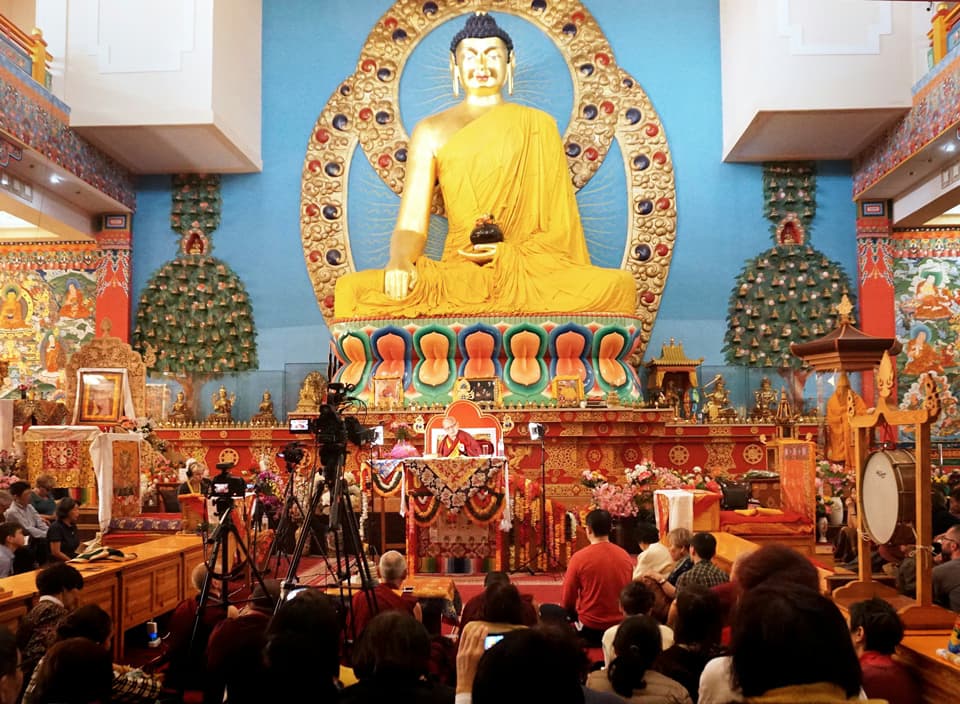
The Significance of Duchen Nga Zom 🌟
In the tapestry of Buddhist culture, certain days stand out for their profound spiritual significance. One such day is Duchen Nga Zom, a sacred convergence in the Buddhist calendar that celebrates five pivotal events in the life of the Buddha: his conception, birth, defeat of Mara, enlightenment, and parinirvana. On this day, the karmic effects of actions are believed to be greatly amplified, offering a powerful opportunity for spiritual practice and reflection.
A Day of Auspicious Convergence ✨
Duchen Nga Zom is recognized as a duzom, an auspicious day where the intentions of practitioners align with the enlightened deeds of the Buddha. Bhutanese astrology places great importance on this day, encouraging acts of virtue and compassion. It's a time when spiritual practices are said to yield multiplied karmic benefits, reflecting the enhanced power of intention.
The Simple Power of Offerings 💫
Observing Duchen Nga Zom can be as simple or elaborate as one desires. The essence lies in the intention behind the actions. Traditional practices include making offerings of butter lamps and flower petals before images of the Buddha or other revered figures. The scale of the offering is secondary to the purity of the intention — wishing for the liberation of all beings from suffering.
The Story of the Beggar Woman 🌺
An inspiring tale often recounted on Duchen Nga Zom is that of a beggar woman who, despite her poverty, offered her hair to purchase a small amount of oil for a butter lamp. Her sincere wish was not for personal gain but for the enlightenment of all beings. This humble offering, powered by profound intention, was acknowledged by the Buddha, who foresaw her future enlightenment.
Reflections on Impermanence and Interdependence 🌀
The simple acts of offering a lamp or a petal carry deeper philosophical reflections. They are reminders of impermanence and interdependence. Just as a flower arises from conditions like seed, moisture, and sunlight, so too do our lives and actions depend on myriad factors. Recognizing this interconnectedness leads to wisdom, a key component of spiritual awakening.
The Role of Visualizations in Practice 🌈
For those with the appropriate training, Duchen Nga Zom offers an opportunity to engage in visualization practices. Visualizing oneself as the Buddha or a chosen deity during offerings helps practitioners internalize the notion that enlightenment is inherent within, not something external to be attained.
Participating in a Living Legacy 🌿
Duchen Nga Zom is more than a personal spiritual exercise; it's a participation in a long, unbroken lineage of practitioners who have turned their minds toward enlightenment. Each act of offering, however humble, contributes to this vast living tradition.
Key Takeaways and Looking Forward 🔭
As Duchen Nga Zom approaches, practitioners are reminded of the power of intention and the simplicity of meaningful practice. It's a day to cultivate the wish that all beings may be free from suffering and to recognize that this wish, when expressed through sincere action, embodies the essence of awakened activity.
Engaging with Duchen Nga Zom with awareness and intention not only enriches our spiritual journey but also connects us to a broader community of practitioners past and present, all striving toward the same goal of enlightenment.
You May Also Like
Culture
Sacred Heart of 108 Chortens: Bhutan's Spiritual Masterpiece
August 26, 2026
Culture
When Colour Drains From the Scene: Spiritual Gatherings in Bhutan
August 15, 2026

Culture
The Vanishing Trade of Drukor: Bhutan's Fading Cultural Exchange
August 15, 2026
Culture
Yojay: Ancient Buddhist Prayer Practice Goes Global
August 12, 2026