Category:
CultureBhutan's New Guidelines to Preserve Heritage
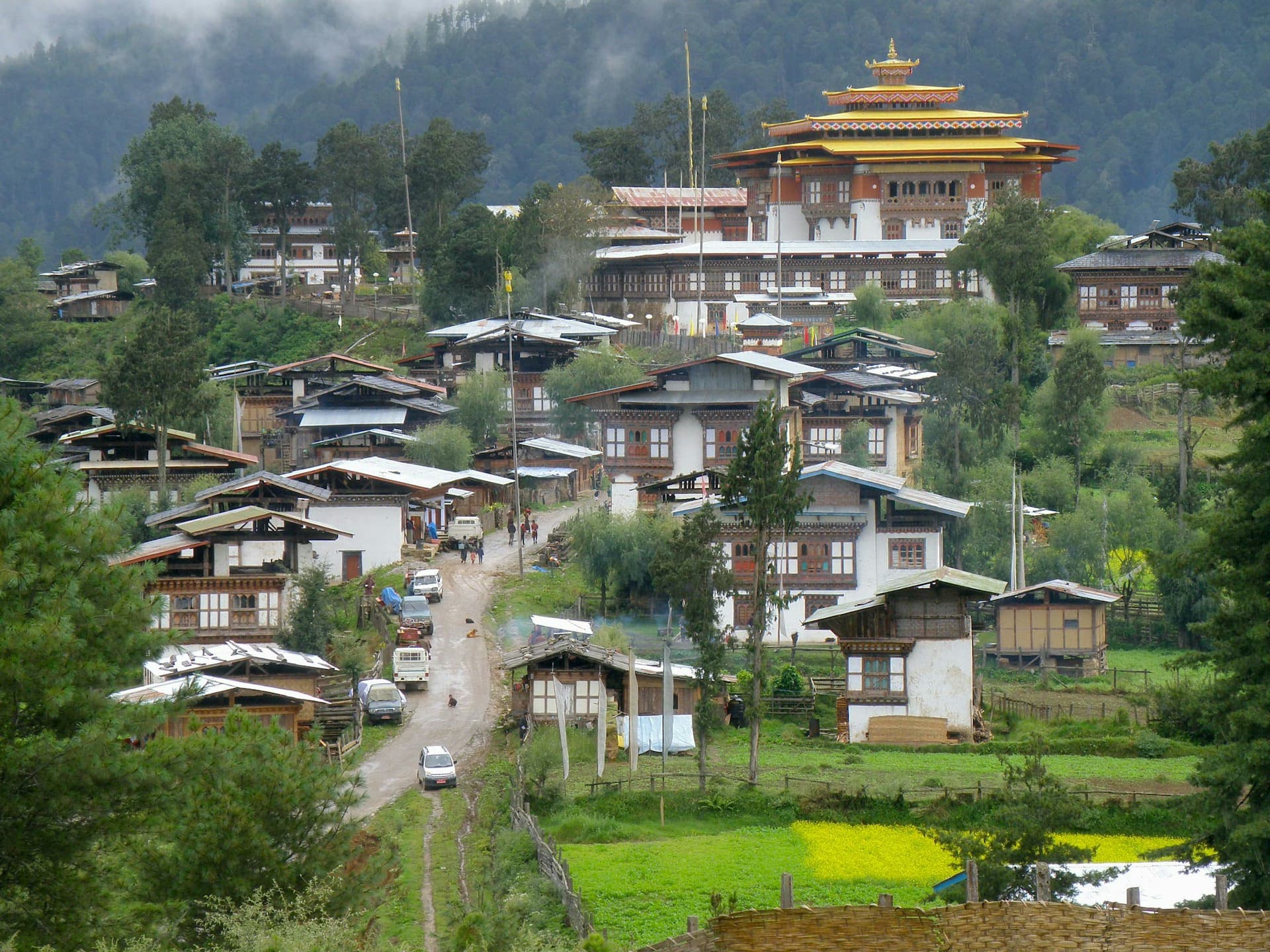
In a bid to safeguard Bhutan’s rich cultural heritage, the Ministry of Home Affairs (MoHA) has set the stage for a transformative era in museum and heritage management. This initiative seeks to standardize and elevate the establishment and management of museums across the nation. 🎨✨
The Need for Standardization
Bhutan, known for its vibrant culture and traditions, has witnessed a growing interest in establishing museums and heritage spaces. However, the sector has faced challenges such as fragmented governance and inconsistent management practices. These issues have highlighted the need for a unified approach to heritage management. The new guidelines aim to address these challenges by introducing structured and accountable systems for cultural preservation.
Key Objectives
The guidelines are designed to:
- Align with National Cultural Policies: Ensure that all heritage institutions are in sync with Bhutan's cultural policies.
- Enhance Heritage Preservation: Strengthen the preservation of both tangible and intangible cultural heritage.
- Promote Education and Tourism: Foster educational spaces to improve public understanding of Bhutanese culture and boost cultural tourism.
- Ensure Sustainability: Address sustainability risks and enhance community engagement.
A Multi-faceted Approach
The framework underlines the importance of:
- Professional Management Practices: Improved governance and accountability to ensure high standards in heritage management.
- Infrastructure Development: Institutions must have adequate exhibition spaces, conservation facilities, and visitor amenities that meet accessibility and safety standards.
- Community Engagement: Encouraging local involvement to enhance public participation and support.
- Technological Integration: Utilizing digital tools to enhance visitor experience and support cultural tourism.
Setting the Standards
Institutions will be required to define clear missions and establish robust governance structures. They must maintain proper systems for collections care, documentation, and storage. The guidelines also emphasize the need for ethical practices, cultural sensitivity, and sustainability.
Implementation and Oversight
The draft guidelines propose a comprehensive implementation strategy, which includes:
- Registration and Compliance: All institutions must register with the Department of Culture and will undergo periodic reviews.
- Performance Assessment: Institutions will be evaluated using a scoring system, and those not meeting standards must implement corrective measures.
- Capacity Building: The Department will provide technical support and training to enhance institutional capacity.
Stakeholder Involvement
The development of these guidelines involved consultations with 55 participants, including museum professionals and cultural practitioners. Feedback from these stakeholders will refine the guidelines further before formal endorsement and phased implementation.
Global Partnerships
The initiative is part of an ongoing collaboration with the Australian High Commission under the Direct Aid Programme, highlighting the importance of international partnerships in cultural preservation.
Looking Forward
As these guidelines pave the way for a more cohesive heritage management strategy, they promise to enhance Bhutan’s cultural landscape, ensuring the nation's rich heritage is preserved for future generations. This initiative will not only bolster Bhutan’s cultural identity but also position the country as a leading example of sustainable heritage management globally.
In conclusion, the MoHA's draft guidelines represent a significant step towards preserving Bhutan's cultural heritage, ensuring that it continues to thrive in the modern world. 🌟🎭
You May Also Like
Culture
Sacred Heart of 108 Chortens: Bhutan's Spiritual Masterpiece
August 26, 2026
Culture
When Colour Drains From the Scene: Spiritual Gatherings in Bhutan
August 15, 2026
Culture
The Vanishing Trade of Drukor: Bhutan's Fading Cultural Exchange
August 15, 2026
Culture
Yojay: Ancient Buddhist Prayer Practice Goes Global
August 12, 2026