Category:
NewsTragic Losses: Cordyceps Collection Turns Deadly
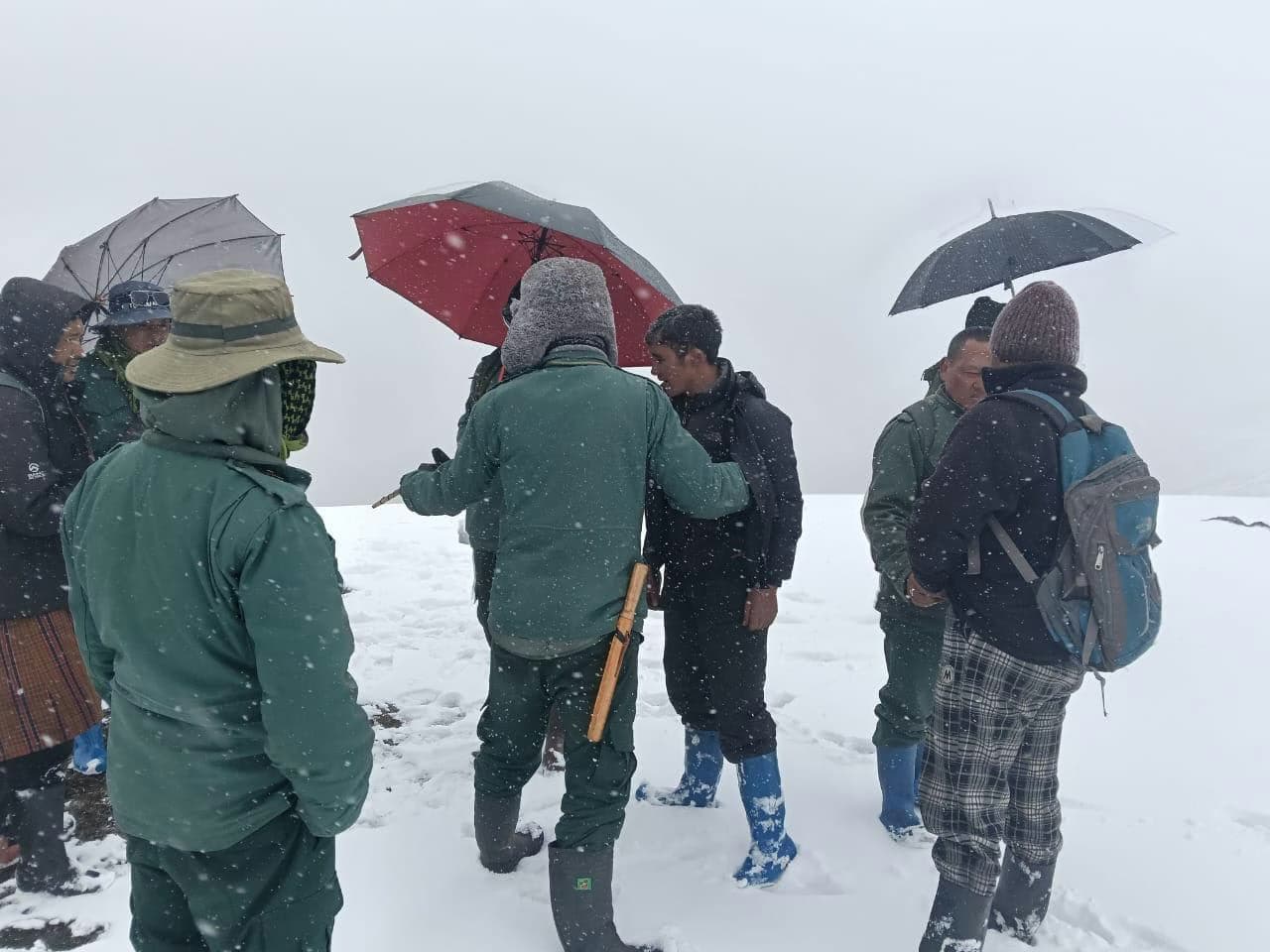
Tragic Incidents in Lunana: Lives Lost Amidst Cordyceps Harvest 🌿
Two recent tragedies have cast a shadow over the bustling cordyceps collection season in Lunana, Bhutan. As collectors flock to the region, driven by the lure of lucrative harvests, the dangers of high-altitude expeditions have become starkly evident.
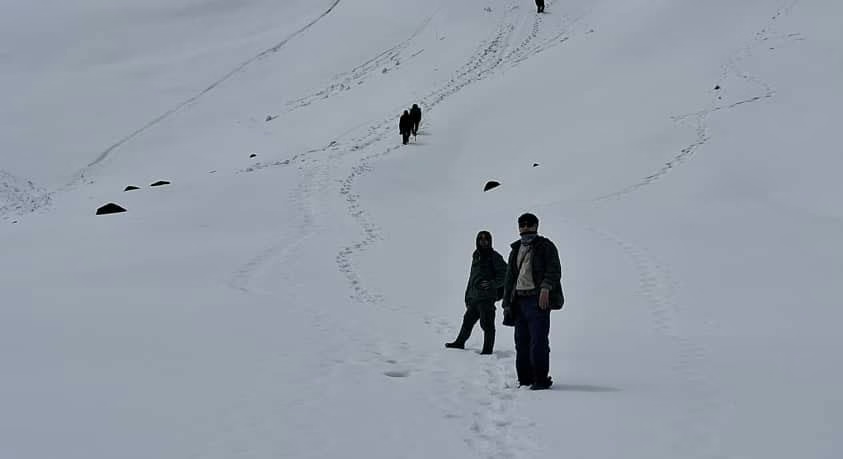
On May 15, a 28-year-old man from Dangchu Gewog in Wangdue met a tragic end when he was swept away by a sudden avalanche while illegally collecting cordyceps. The incident occurred at Belumarp, a perilous site known for its unpredictable weather conditions. Despite coordinated search efforts by over 20 collectors, the harsh weather thwarted recovery attempts, leaving the man's family in distress. His wife, who accompanied him, fell ill and required medical evacuation.
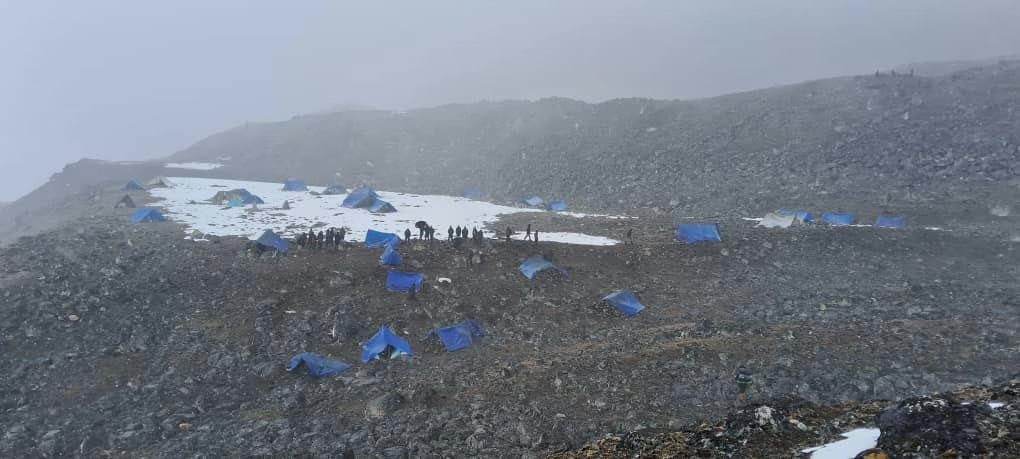
Just two days later, on May 17, another collector, a 65-year-old resident from Ramina, collapsed at Fangu, a major collection site. Although friends rushed to his aid, he tragically passed away. Initial reports suggest a stroke, exacerbated by high blood pressure, as the likely cause.
The Perils of Cordyceps Collection 🌄
Cordyceps harvesting in Lunana is not for the faint-hearted. Collectors brave extreme conditions, including treacherous terrain and severe weather, to gather this prized fungus. Known for its medicinal properties, cordyceps is in high demand, particularly during bumper harvests like this year. In 2022, prices soared to Nu 2.851 million per kilogram at auctions.
The allure of such profits has drawn not only local residents but also illegal collectors, complicating enforcement efforts. This influx has led to disputes and strained the resources of local authorities, who are tasked with maintaining order and protecting authorized collectors.
Navigating Legal and Illegal Harvesting 🚔
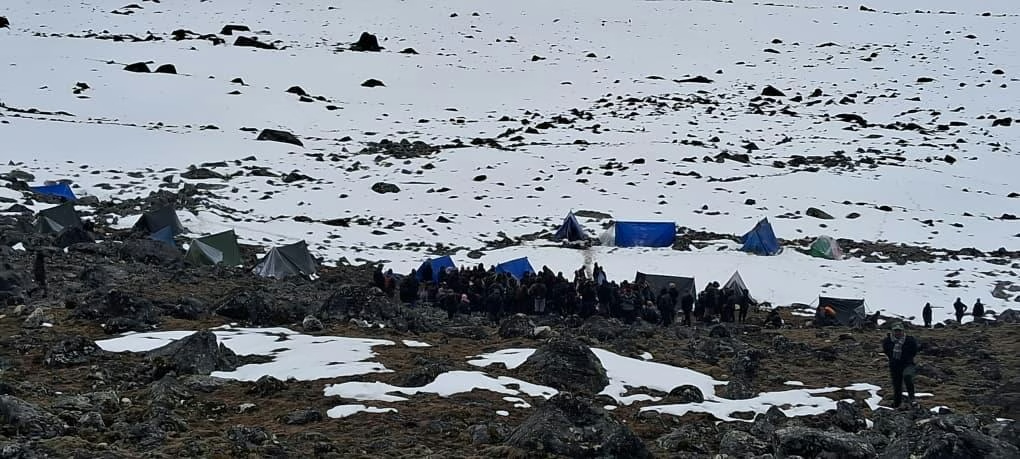
Bhutan's Cordyceps Collection Rules and Regulations 2026 mandate that permits are required for collection, valid for one month at designated sites. This year, Lunana issued 549 permits, allowing collection from May 4. However, illegal activities have surged as collectors from other regions, particularly Wangdue, seek to capitalize on Lunana's bumper yields.
Authorities have taken stringent measures to curb illegal collection. The deployment of 28 forestry personnel and 28 police officers underscores the seriousness of the situation. However, the challenges are not new. Last year, confrontations between illegal collectors and enforcement personnel resulted in injuries and heightened tensions.
Historical and Cultural Context 📜
The right to legally harvest cordyceps was granted in 2004 through a Royal edict, allowing residents of specific high-altitude areas to benefit from this natural resource. Previously limited to Lunana Gewog, this concession has become a vital part of the local economy, providing significant income to many families.
Looking Ahead: Balancing Opportunity and Safety 🛡️
As the collection season draws to a close on June 4, the focus remains on ensuring safety while maximizing economic benefits. Certificates of Origin will be issued in early June, marking the end of an intense and challenging period for collectors.
In light of recent events, there is a pressing need to enhance safety measures and provide better support for collectors. Raising awareness about the risks, improving rescue operations, and ensuring fair enforcement of regulations are crucial steps forward.
Conclusion: A Call for Safety and Sustainability 🌱
The tragic losses in Lunana serve as a somber reminder of the inherent risks in cordyceps collection. As Bhutan navigates the delicate balance between economic opportunity and safety, it is imperative to foster an environment where collectors can thrive without undue peril. Strengthened regulations, coupled with community education, can pave the way for a safer, more sustainable future for Bhutan's cordyceps industry.
You May Also Like
News
Women Entrepreneurs Master AI and Digital Tools in Phuentsholing
September 1, 2026
News
Can Samtse Keep Up With Its Growing Workforce?
August 29, 2026
News
Nepal Flood Exposes Critical Gaps in Bhutan's Early Warning Systems
August 29, 2026
News
High Court Overturns Acquittal: Doctor Sentenced to 10 Years for Child Sexual Abuse
August 29, 2026