Category:
NewsPart-Time Job Pilot Places 90+ in First Month
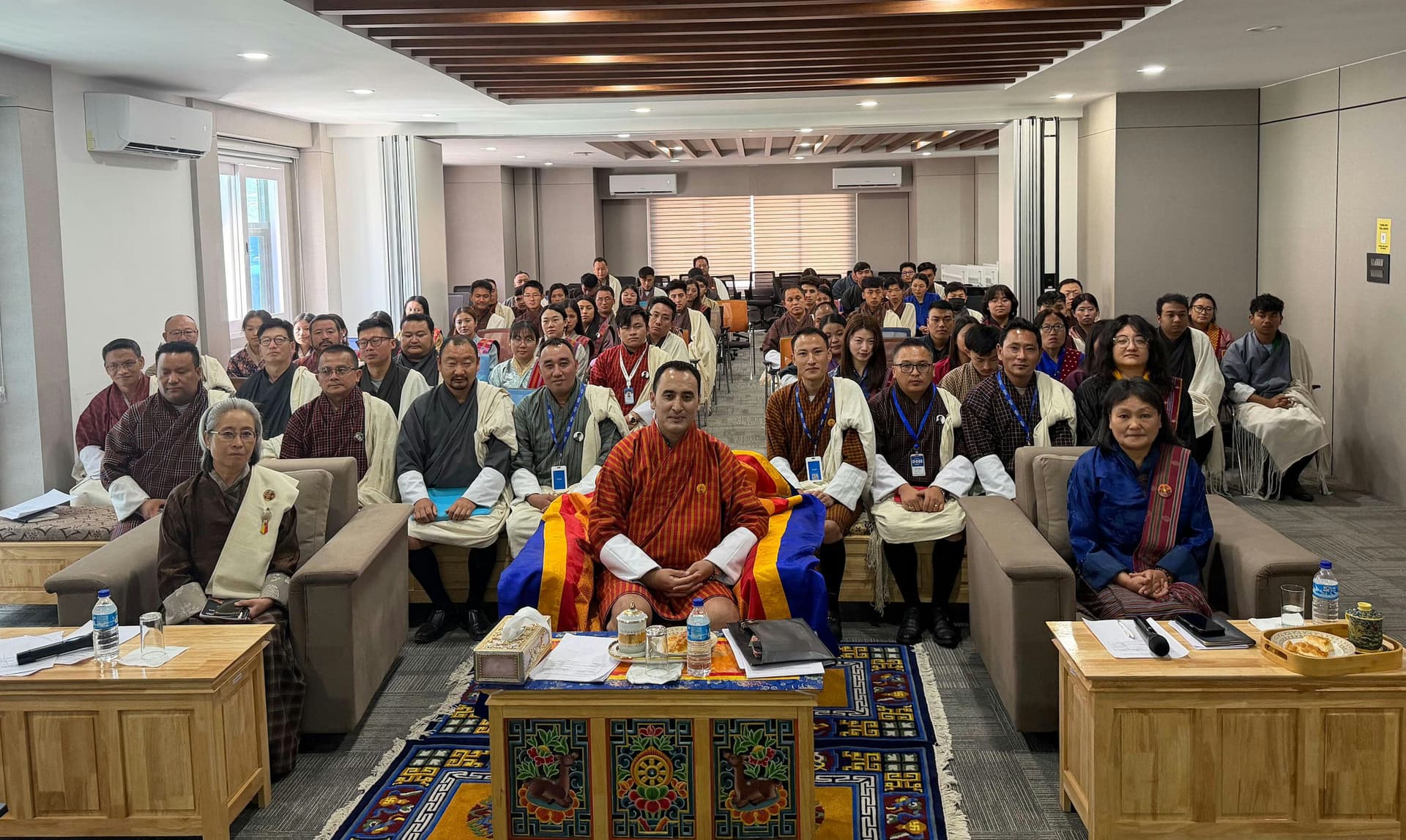
In a promising development for Bhutan’s job market, over 90 job seekers have successfully found part-time employment within the first month of a new pilot program. This initiative, launched by the Department of Employment and Entrepreneurship under the Ministry of Industry, Commerce and Employment, is already showing signs of success.
A New Era for Part-Time Work in Bhutan 🌟
The pilot program, which kicked off on June 11, introduces two distinct categories of part-time employment: regular part-time and flexible part-time. Regular part-time involves a fixed schedule, while flexible part-time allows for variable hours based on needs and availability.
Program Overview
- Launch Date: June 11
- Duration: Six months
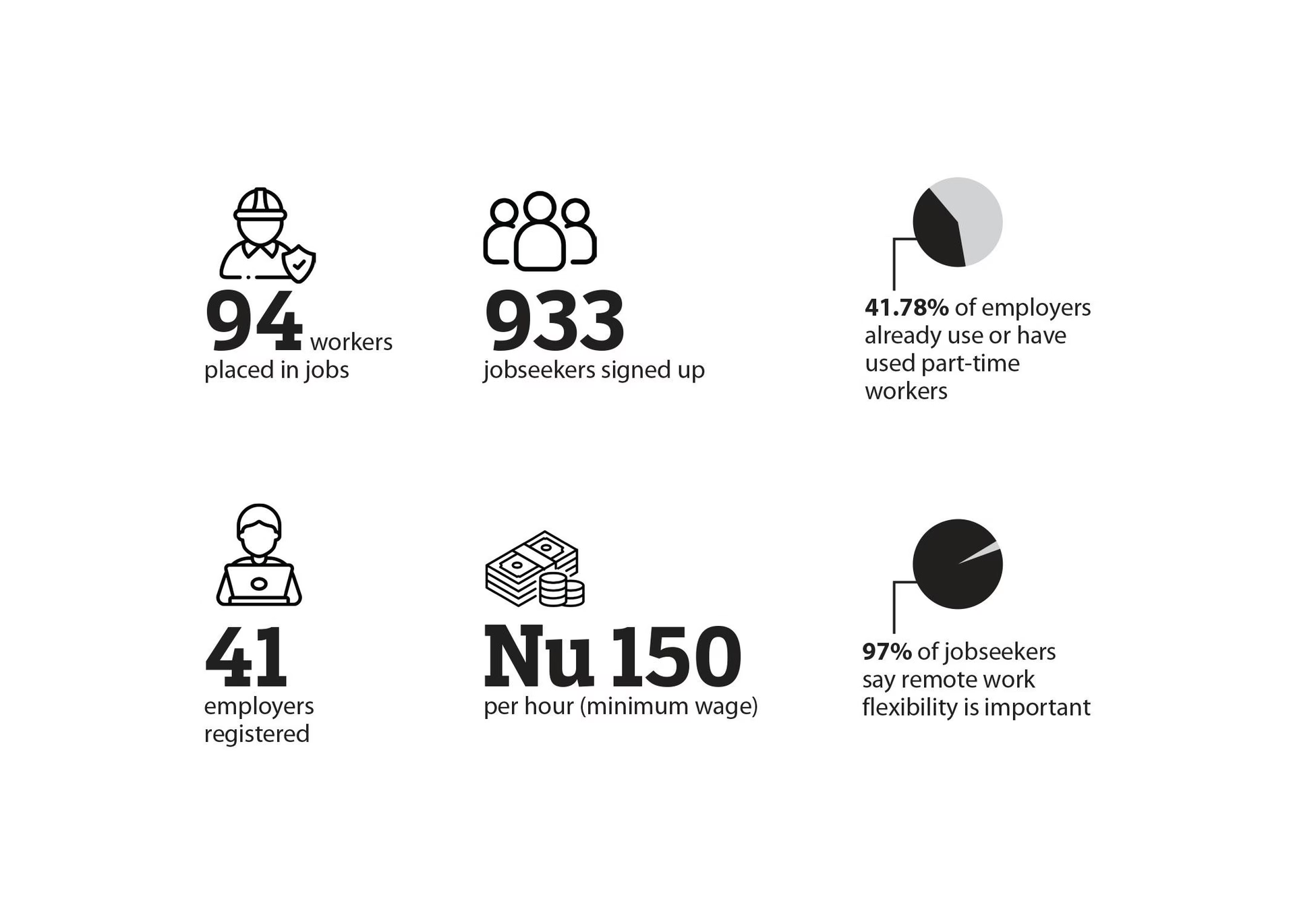
- Initial Success: 94 job placements
- Employers Registered: 41
- Jobseekers Signed Up: 933
Bridging the Employment Gap 🏗️
This initiative primarily targets underrepresented groups such as youth, students, caregivers, and older individuals. It aims to create additional job opportunities without replacing existing full-time roles.
Addressing Market Needs
The department conducted a feasibility study to explore the introduction of a formal part-time employment system by 2025. This study revealed that informal part-time work is prevalent, especially in agriculture and tourism. However, these jobs often lack legal protections.
Legal Framework and Protections 🛡️
To ensure fairness and compliance, a draft part-time employment framework has been developed. It aligns with the Labour and Employment Act of Bhutan 2007, providing legal safeguards for both employers and employees.
Key Protections Include:
- Minimum wage of Nu 150 per hour
- Guaranteed working hours
- Notice periods
- Benefits like provident fund contributions
Overcoming Challenges 🚧
Despite the promising start, the program faces several challenges. One significant issue is the wage gap. Jobseekers expect an average hourly wage of Nu 349, while employers offer Nu 184. This discrepancy highlights a major hurdle in establishing a sustainable part-time employment system.
Employer and Employee Preferences
- Jobseekers: Prefer regular hours and benefits like paid leave and health insurance.
- Employers: Lean towards providing training and skill development opportunities.
Future Prospects and Recommendations 🔮
The program's success could lead to a nationwide rollout if the initial phase proves fruitful. To address existing gaps, the department recommends a three-tier classification system for part-time roles, ensuring standardized contracts and clear overtime provisions.
Key Takeaways
- Flexibility: 97% of jobseekers value remote work options.
- Employer Benefits: More than half see a defined part-time system as beneficial.
As Bhutan continues to develop its labor market, this pilot program stands as a beacon of potential, promising to reshape the employment landscape for part-time workers across the nation.
You May Also Like
News
Women Entrepreneurs Master AI and Digital Tools in Phuentsholing
September 1, 2026
News
Can Samtse Keep Up With Its Growing Workforce?
August 29, 2026

News
Nepal Flood Exposes Critical Gaps in Bhutan's Early Warning Systems
August 29, 2026
News
High Court Overturns Acquittal: Doctor Sentenced to 10 Years for Child Sexual Abuse
August 29, 2026