Category:
NewsThimphu's Stray Horse Dilemma: Roads Over Rules
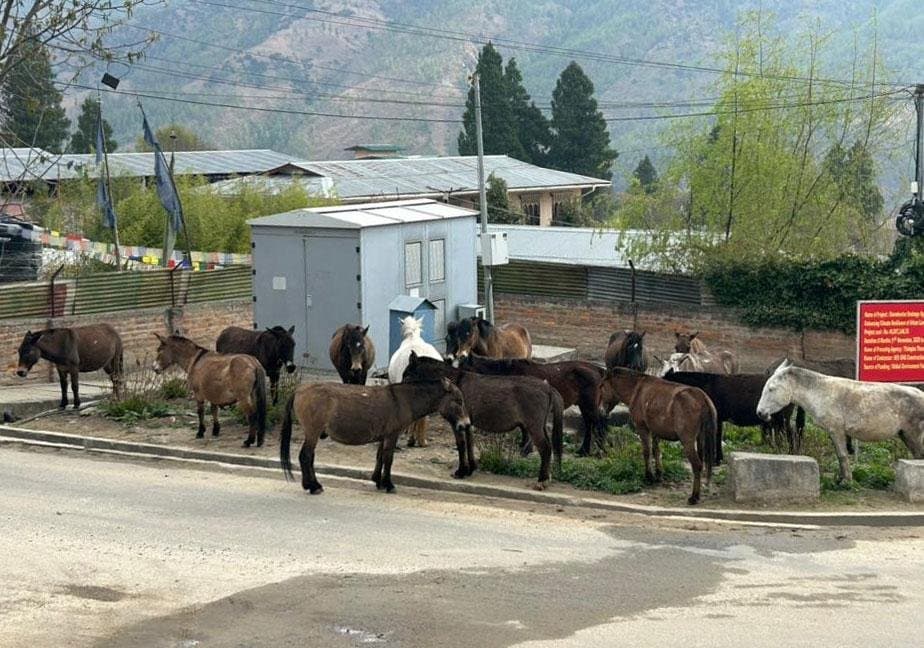
Thimphu, the vibrant capital of Bhutan, is grappling with an unusual challenge: stray horses meandering through its bustling streets. This seemingly quaint issue is rooted in a deeper infrastructural gap rather than a lack of regulations. 🐴
The Underlying Issue: Road Access
The highland communities north of Thimphu rely heavily on horses to transport essential supplies due to the absence of road access. Without roads, residents have no choice but to bring their pack animals to Thimphu, where they often roam freely, causing concerns among city officials.
Community Perspectives
Local leaders, such as Lingzhi Gup Wangdi, stress that the residents depend entirely on horses for transportation. With no alternative, these animals are brought into the city, leading to a surge in stray horses. The costs associated with reclaiming impounded horses are substantial, ranging from Nu 1,500 per day per horse, which can escalate quickly for the owners.
Financial Burden on Horse Owners
The economic implications are significant. Horses in this region are valuable, with prices starting around Nu 90,000. Owners who lose their animals to the city's impounding system face not only fines but also the potential loss of their assets if the animals are not retrieved promptly. This financial strain adds to the urgency for a solution.
Proposed Solutions: Building Roads
In addressing the stray horse issue, constructing roads has emerged as the most effective solution. The proposed Barshong–Panglakarchung farm road, once completed, will enable highland residents to transport goods without relying on horses to enter Thimphu. 🚧
Current Developments
The road project has received budgetary approval, and surveys are underway. This development is critical not just for reducing the stray horse population in the city but also for boosting economic activities by facilitating smoother transport logistics.
Broader Implications
The completion of this road could significantly alter the socio-economic landscape of the highland communities. Improved access to markets and services in Thimphu can enhance the quality of life and economic prospects for these residents.
Managing the Interim Period
Until the road is completed, the Dzongkhag Tshogdu has extended the impounding period for stray horses from three to four days. Authorities are also considering identifying government-owned land in nearby gewogs to temporarily house these animals.
Community Initiatives
Organizations like Semchen Tsethar Tshogpa have been involved in managing unclaimed horses, ensuring they are handed over to individuals or organizations that can care for them. This initiative helps mitigate the immediate effects of the stray horse problem.
Conclusion: A Path Forward
The solution to Thimphu's stray horse dilemma lies not in stricter rules but in better infrastructure. The construction of crucial roads will not only resolve the stray horse issue but also bring long-term benefits to the highland communities. 🛣️
Key Takeaways
- Infrastructure is key: Building roads is a sustainable solution to the stray horse problem.
- Economic benefits: Improved transport will enhance economic opportunities for highland residents.
- Ongoing efforts: Temporary measures are in place to manage the issue while road construction progresses.
As Thimphu navigates this unique challenge, the focus remains on creating a harmonious balance between urban development and traditional practices, ensuring that both the city and its highland neighbors thrive together.
You May Also Like
News
Women Entrepreneurs Master AI and Digital Tools in Phuentsholing
September 1, 2026
News
Can Samtse Keep Up With Its Growing Workforce?
August 29, 2026
News
Nepal Flood Exposes Critical Gaps in Bhutan's Early Warning Systems
August 29, 2026
News
High Court Overturns Acquittal: Doctor Sentenced to 10 Years for Child Sexual Abuse
August 29, 2026