Category:
NewsThimphu's Decentralized Auto Services Plan
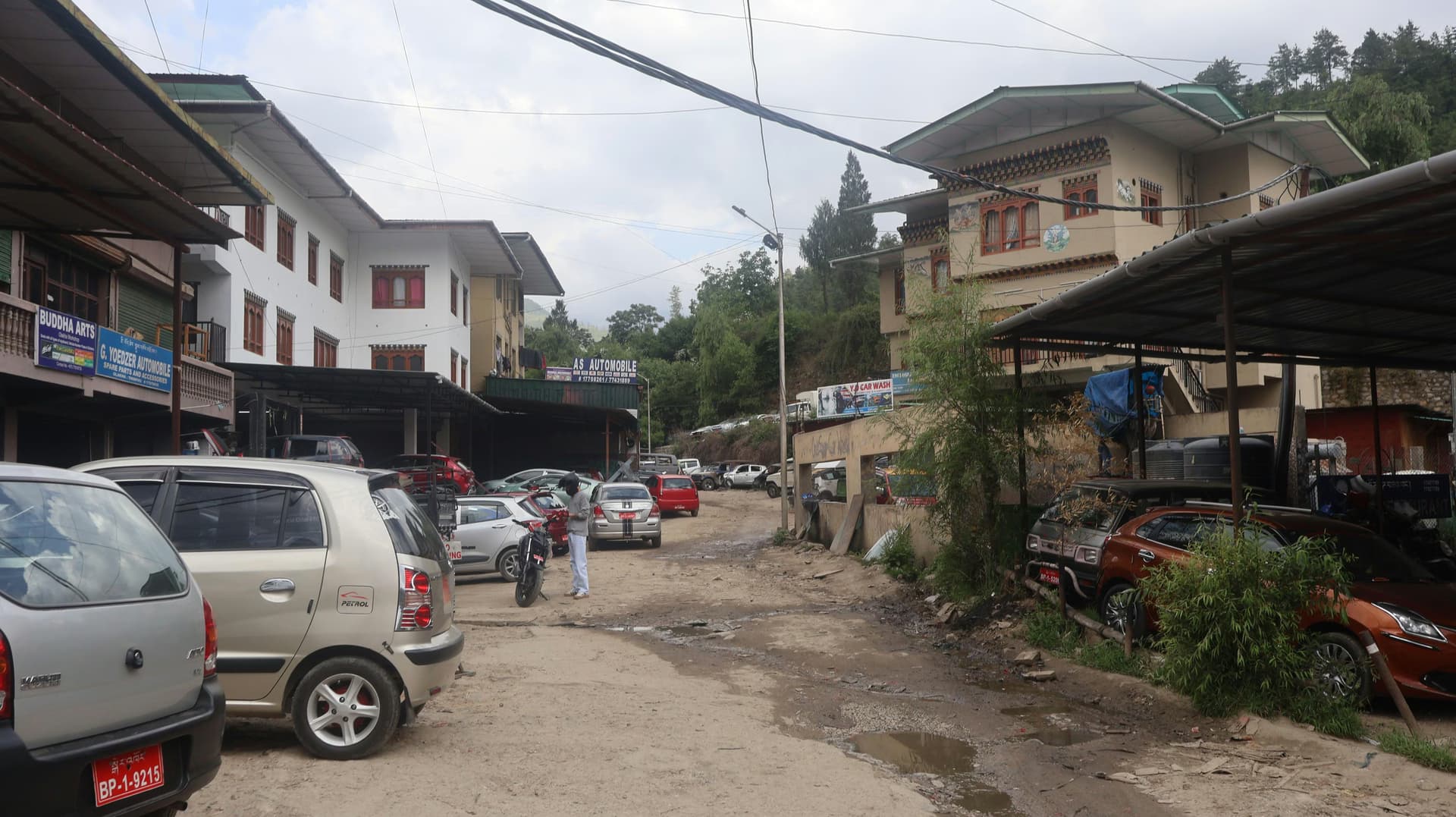
A Shift in Thimphu's Automobile Service Landscape 🚗✨
In a strategic shift, the Bhutanese government plans to transform the automobile service industry in Thimphu by decentralizing services rather than relocating the entire workshop area from Olarongchhu. This decision marks a significant change in approach compared to earlier relocation strategies.
Current Challenges in Olarongchhu
Olarongchhu, home to over 90 workshops, has been grappling with numerous challenges:
- Overcrowding and aging infrastructure
- Poor road conditions and inadequate drainage
- High operational costs due to private land leases
Workshop owners have voiced concerns about the deteriorating conditions and high rents, with some paying up to Nu 280,000 monthly. These factors have stifled investment in modernizing operations and expanding services.
Government's Decentralization Strategy 🌐
The government’s new plan, part of the Thimphu Structure Plan (TSP), aims to spread automobile services across various locations. This approach seeks to:
- Alleviate environmental issues such as soil contamination and toxic runoff
- Reduce traffic congestion and enhance urban planning
- Mitigate safety risks, including fire hazards and limited emergency access
The decentralization strategy is designed to ensure that smaller businesses like repair shops and tyre services integrate into mixed-use zones, while larger industries move to industrial areas outside the city's core.
Industry Trends and Economic Context 📈
This move is in line with global trends where urban centers decentralize services to improve city livability, reduce congestion, and promote sustainable urban development. In Bhutan, where urbanization is increasing, such strategies align with broader economic goals of balanced regional growth and environmental sustainability.
Implications for Workshop Owners 🛠️
For workshop owners, the lack of a dedicated relocation site and a clear timeline has been challenging. However, the new plan provides an opportunity to:
- Utilize government land, potentially reducing rental costs
- Innovate and adapt services to meet evolving vehicle needs
While the existing Olarongchhu area will eventually be phased out to accommodate the Science, Technology, and Innovation Park, the interim period allows for infrastructure improvements to maintain functionality and safety.
Looking Ahead: A Collaborative Future 🔮
The success of this plan hinges on collaboration between the government, businesses, and local communities. By working together, stakeholders can ensure a smooth transition and foster an environment conducive to growth and innovation.
Workshop owners are encouraged to engage in dialogue with government officials to voice their needs and participate in shaping the future of Thimphu’s automobile service industry. With effective planning and execution, this decentralized approach could serve as a model for other cities facing similar urban challenges.
Conclusion: Embracing Change for a Sustainable Future 🌱
As Thimphu embarks on this transformative journey, the decentralization of automobile services represents a proactive step towards sustainable urban development. By addressing current challenges and aligning with global trends, the government aims to create a thriving, resilient, and environmentally friendly urban landscape for all.
This strategy not only addresses present concerns but also sets the stage for a future where innovation and sustainability go hand in hand, benefiting both the community and the economy.
You May Also Like
News
Women Entrepreneurs Master AI and Digital Tools in Phuentsholing
September 1, 2026
News
Can Samtse Keep Up With Its Growing Workforce?
August 29, 2026
News
Nepal Flood Exposes Critical Gaps in Bhutan's Early Warning Systems
August 29, 2026
News
High Court Overturns Acquittal: Doctor Sentenced to 10 Years for Child Sexual Abuse
August 29, 2026