Category:
EconomyThe Shift to Electric: Bhutan's Energy Revolution
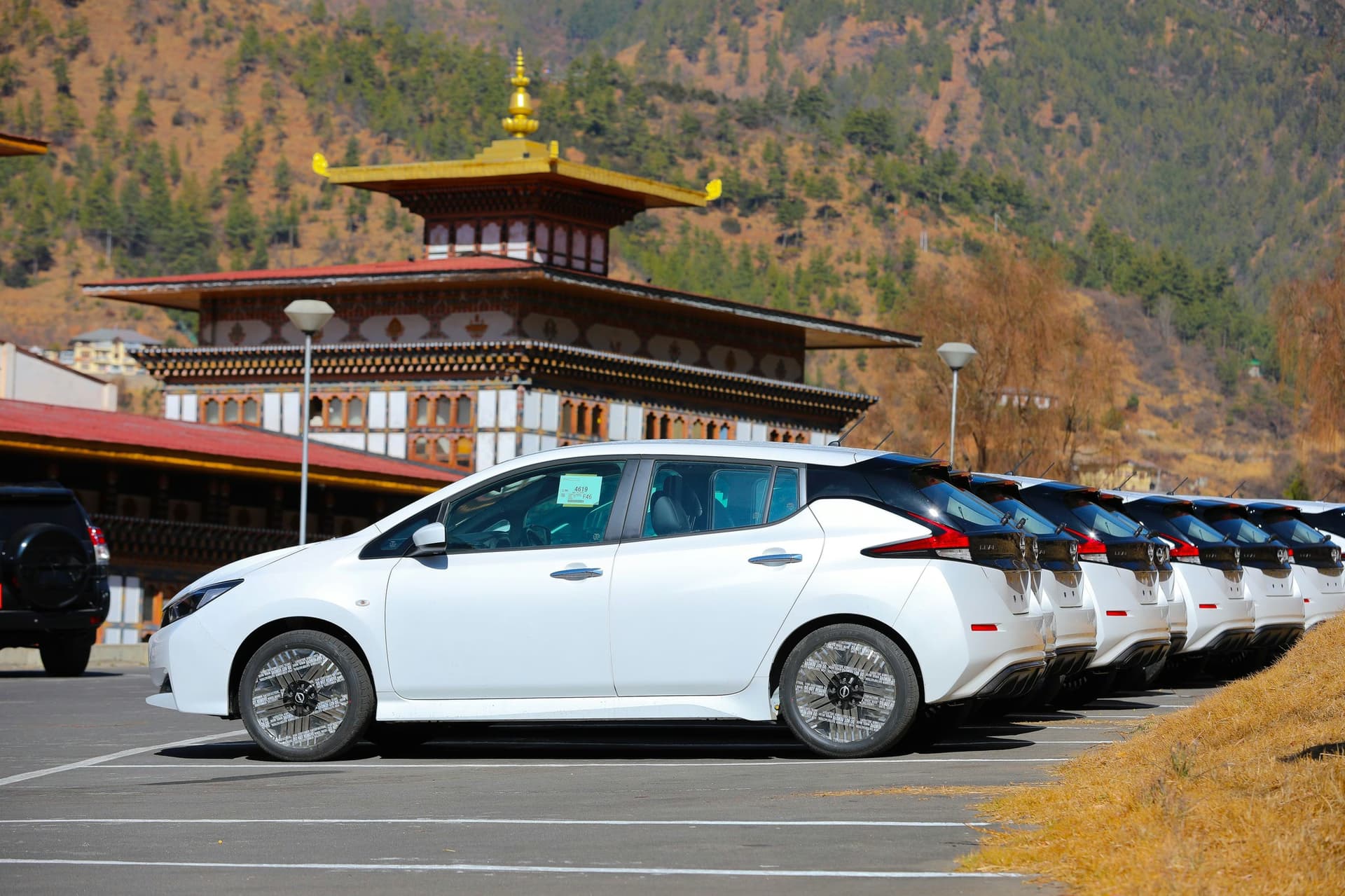
The global energy landscape is rapidly evolving, and Bhutan finds itself at a critical juncture. With escalating fuel costs and geopolitical tensions disrupting supply chains, the need for a sustainable energy solution has never been more urgent. Bhutan, known for its pristine natural environment and commitment to sustainability, is poised to embrace an electric revolution. This transformation extends beyond clean energy aspirations; it is a strategic move towards economic resilience and national security.
The Economic Imperative of Going Electric ⚡
Bhutan's economy is heavily reliant on fuel imports, an unsustainable practice that drains billions annually and exacerbates the trade deficit. The government currently spends an astonishing Nu 1.5 billion per month on fuel subsidies, a burden that threatens economic stability. The shift to electric mobility and cooking offers a viable path to reduce this dependency while leveraging Bhutan's abundant hydropower resources.
Overcoming Barriers to Electric Mobility 🚗
The transition to electric vehicles (EVs) is fraught with challenges, primarily the high cost and inadequate infrastructure. While policy support exists, EVs remain out of reach for many Bhutanese families. To make electric mobility accessible, a multi-faceted approach is essential:
- Low-interest financing options
- Targeted subsidies and tax exemptions
- Innovative ownership models
Public transport electrification should be a priority, leveraging scale to drive significant impact. However, a robust network of charging stations is crucial. Currently, these are sparse, hindering widespread adoption. Infrastructure development must lead demand, with EV dealers mandated to ensure service centers and strong after-sales support.
Electrifying Bhutan's Kitchens 🍳
Another significant area for electrification is cooking. Bhutan's dependence on LPG presents both an economic and environmental challenge. Despite having one of the world's cleanest electricity systems, the adoption of electric cooking has been slow due to:
- Inefficient and unreliable technologies
- Lack of appliances suited to Bhutanese cooking
This presents an opportunity to develop energy-efficient, durable, and affordable electric cooking solutions tailored to local needs. Incentivizing this sector could spur private investment and innovation, advancing national energy goals. Cheaper electricity tariffs and appliance subsidies could significantly boost adoption.
The Broader Implications 🌍
The move towards electric solutions is not solely about reducing emissions. For Bhutan, it represents a critical step towards energy independence and economic sovereignty. By insulating the economy from global shocks and reducing reliance on imports, Bhutan can build a more resilient future.
Bhutan's Path Forward 🛤️
To successfully navigate this transition, Bhutan must:
- Enhance policy frameworks to support electrification
- Invest in infrastructure to facilitate EV and electric cooking adoption
- Foster public-private partnerships to drive innovation
- Educate the public on the long-term benefits of going electric
In conclusion, Bhutan stands at the threshold of an energy revolution. By embracing electric mobility and cooking, the nation can not only safeguard its economy but also reaffirm its commitment to sustainability and innovation. As Bhutan strides towards a greener future, the world watches, inspired by its vision and leadership.
Looking Ahead 🔮
The journey to an electric Bhutan is paved with challenges but also immense opportunities. As the nation advances, it will serve as a beacon of sustainable development, demonstrating the power of proactive policy and strategic vision. The time to act is now, and Bhutan is ready to lead the way.
You May Also Like

Economy
Indian Banks Slow to Adopt Bhutanese UPI Payments
October 12, 2026
Economy
Government Addresses 400+ Business Issues to Boost Economy
October 10, 2026
Economy
Bhutan's Bold Vision: Two USD 50M Enterprises by 2030
September 27, 2026
Economy
Mega Dry Port in Pasakha: Bhutan's Trade Revolution
September 25, 2026