Category:
EconomyBhutan's WTO Journey: A Global Economic Leap
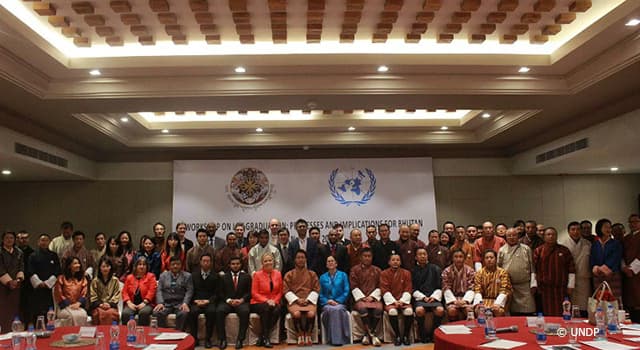
After nearly two decades, Bhutan has reignited its efforts to join the World Trade Organization (WTO), aiming to integrate more deeply into the global economy and navigate its post-Least Developed Country (LDC) transition. This pivotal move not only marks Bhutan’s aspiration to expand its economic horizons but also reflects its commitment to adapting to a rapidly evolving global trade landscape.
Bhutan’s Historical WTO Engagement
Bhutan first embarked on its journey towards WTO membership in 1999. The process, however, stalled in 2008 due to concerns over potential impacts on the nation's unique development philosophy, Gross National Happiness (GNH), and its policy space. Fast forward to 2025, Bhutan's Cabinet has approved the resumption of this process, underlining the nation’s ambition to achieve high-income economy status and diversify its export markets beyond its traditional reliance on hydropower.
The Comprehensive Accession Process
To reinitiate its accession, Bhutan has meticulously prepared 17 key documents. These include the Draft Working Party Report and commitments on goods and services, among others. This extensive preparation underscores a whole-of-government approach, involving over 20 officials from various sectors such as agriculture, finance, and intellectual property, to ensure that every facet of the economy is accounted for in this strategic move.
Economic Implications and Strategic Benefits 🌐
Expanding Market Access
Joining the WTO would grant Bhutan access to 166 markets under a rules-based multilateral trading system, eliminating the need for multiple bilateral agreements. This strategic advantage is crucial for Bhutan, a nation with a small domestic market of about 700,000 people, as it seeks to expand its export base and attract foreign investment.
A Boost for Local Enterprises
While there are concerns about increased competition, officials reassure that WTO membership won't disadvantage Bhutanese businesses. Bhutan already operates under liberal trade arrangements with India, which see most goods entering the country at zero duty. Thus, Bhutanese enterprises are well-accustomed to competing in an open market environment.
Addressing Challenges and Capacity Building
Despite the optimism, Bhutan faces challenges in aligning with WTO obligations. Compliance with complex international trade rules may impose administrative burdens on Bhutan’s small economy. However, Bhutan has laid the groundwork with existing institutional frameworks, such as its Department of Intellectual Property, and plans to enhance capacity through continuous training and technical assistance.
The Road Ahead: Bhutan’s Strategic Vision 🚀
Gelephu Mindfulness City: An Economic Hub
Parallel to WTO accession, Bhutan is developing the Gelephu Mindfulness City (GMC), envisioned as a major economic hub. The simultaneous pursuit of WTO membership and GMC development aims to bolster Bhutan’s international economic credibility, making it an attractive destination for responsible investments.
Aligning with Gross National Happiness
Bhutan’s commitment to its GNH philosophy remains steadfast. Officials emphasize that joining the WTO will not compromise this unique development model. Instead, Bhutan intends to negotiate commitments that align with its values, ensuring that trade policies support sustainable growth, environmental conservation, and balanced development.
Conclusion: A New Chapter for Bhutan
As Bhutan resumes its WTO accession process, it steps into a future brimming with opportunities and challenges. This strategic move is set to enhance market access, attract investment, and drive economic diversification, all while staying true to its GNH principles. Bhutan’s journey towards WTO membership is not just a quest for economic growth but a testament to its resilience and vision for sustainable development in a globalized world.
You May Also Like

Economy
Indian Banks Slow to Adopt Bhutanese UPI Payments
October 12, 2026
Economy
Government Addresses 400+ Business Issues to Boost Economy
October 10, 2026
Economy
Bhutan's Bold Vision: Two USD 50M Enterprises by 2030
September 27, 2026
Economy
Mega Dry Port in Pasakha: Bhutan's Trade Revolution
September 25, 2026