Category:
OpinionThe Hidden Costs of Service in Bhutan
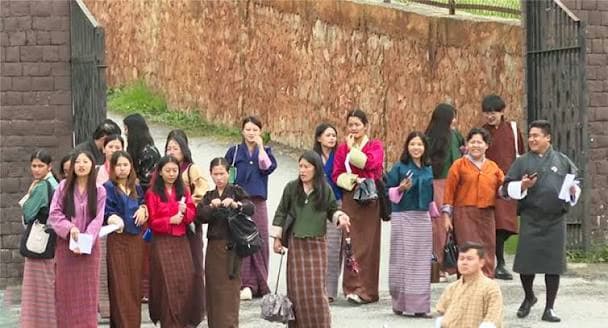
A Cup of Tea Denied: The Reality Behind Public Service
In the bustling corridors of Bhutan's public service, a quiet, simmering issue emerges: the devaluation of the very people who uphold our nation's bureaucratic backbone. Recently, discussions have surfaced, pointing fingers at public servants for allegedly misusing public funds through excessive travel and meetings. But the truth is far more complex and nuanced. 🌟💼
The Car-Pool Conundrum
Public servants in Bhutan face unique challenges, one of which is the mandate to use personal vehicles for official travel. This policy, while seemingly efficient, places an undue burden on individuals. Officers receive a reimbursement of Nu 16 per kilometre for sharing a ride with four colleagues. However, with fuel prices soaring at Nu 100 per litre, a journey covering 104 km costs around Nu 690 in fuel alone, leaving a shortfall. This does not account for vehicle wear and tear or additional taxes. 🚗💸
Hidden Expenses
- Personal Vehicle Use: Mandatory use of personal cars for official purposes.
- Inadequate Reimbursement: Mileage reimbursement often falls short of actual fuel costs.
- Additional Costs: Vehicle maintenance and taxes are borne by the individual.
Daily Allowances: A Struggle for Sustainability
The daily allowances provided to public servants are meager at best. Executives receive Nu 2,000 for accommodation, meals, and incidental travel, while other officers get between Nu 1,250 and Nu 1,500. Shockingly, no allowance is provided for the return journey, assuming officers require no sustenance on their way home. 🏨🍽️
The Disconnect
- Insufficient Allowances: Daily allowances barely cover basic expenses.
- No Return Journey Coverage: Officers absorb the costs for returning home.
- Policy Failures: Lack of a comprehensive review of current compensation policies.
The Myth of Opulence
Contrary to popular belief, the public service is not a haven of luxury. Recent policy changes, including the discontinuation of duty-free allowances and vehicle quotas, have further strained public servants. The promised variable allowances remain absent, and bans on refreshments during meetings underscore the austerity measures in place. 📊❌
A Call for Change
- Policy Reevaluation: Need for updated policies that reflect current economic realities.
- Greater Recognition: Acknowledgment of the sacrifices made by public servants.
- Fair Compensation: Ensure competitive compensation to retain talent.
The Emotional Toll
Beyond the financial implications, the emotional toll on public servants is significant. Many resign citing "personal reasons" or "opportunities abroad," yet the underlying cause often relates to feeling undervalued and overburdened. If Bhutan aspires to emulate the efficiency of Singapore or Scandinavia, it must invest in its human capital. 🌍🧑💼
Key Considerations
- Employee Welfare: Prioritize the well-being of public servants.
- Retention Strategies: Develop strategies to retain skilled personnel.
- Public Perception: Shift the narrative from blame to appreciation.
Conclusion: A Path Forward
The conversation about public service in Bhutan requires a paradigm shift. Rather than viewing public servants as burdens, we must recognize them as pillars supporting the nation. By addressing the hidden costs and emotional burdens they face, Bhutan can foster a more motivated, efficient, and valued workforce. The time for change is now, and it begins with acknowledging the quiet contributions of those who serve. 🔄✨
Looking Ahead
- Policy Reforms: Advocate for fairer reimbursement and allowances.
- Public Dialogue: Encourage open conversations about public service challenges.
- Continued Advocacy: Support initiatives that aim to improve working conditions for public servants.