Category:
CultureThe Heart Within the 108 Chortens: Sacred Relics
A Hidden Sacred Legacy Beneath White Structures 🏛️
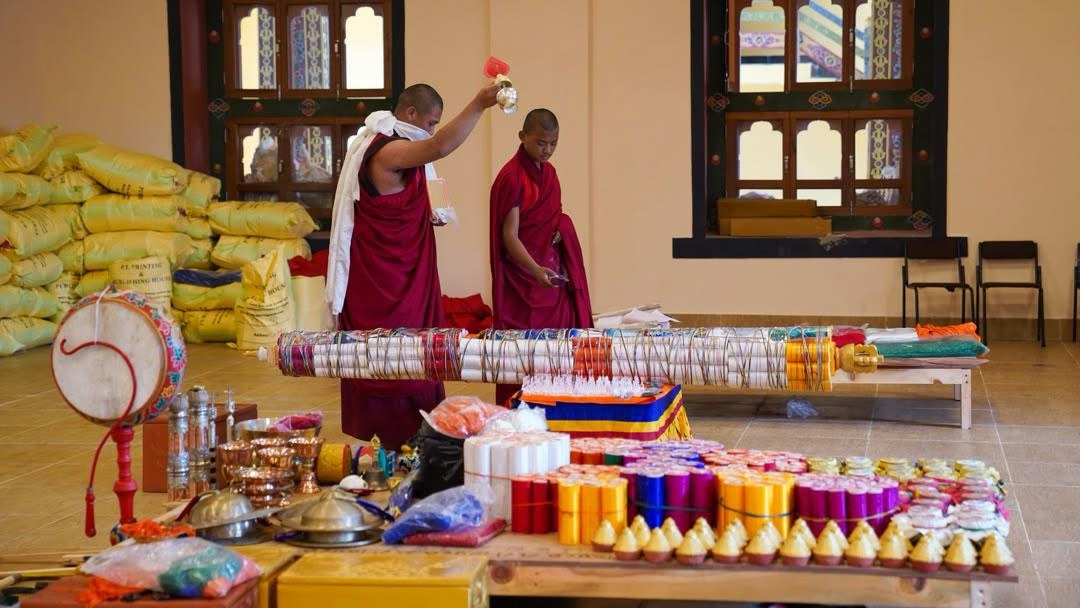
Long before the majestic 108 Jangchub chortens rose along the Mao River in Bhutan, their true essence had already taken shape—not in stone or mortar, but in the sacred materials carefully prepared within monastery walls. These stunning white stupas, each standing 15 metres high and separated by precisely 108 metres, represent one of Bhutan's most significant cultural and spiritual undertakings. Yet what makes them truly sacred remains invisible to visitors who come to pray and circumambulate their bases.
The real story of the 108 chortens begins not with construction, but with preparation—a meticulous, months-long process that reveals the profound spiritual traditions underlying Bhutanese Buddhism and the collective devotion of an entire nation.
Understanding Thezung: The Spiritual Heart of Chortens ✨
At the very core of each chorten lies thezung—the sacred inner relics that breathe spiritual life into these architectural monuments. Thezung represents far more than decorative elements; it embodies the accumulated wisdom, prayers, and intentions of countless individuals united in a shared purpose.

The preparation of thezung involves several essential components:
- Sacred scriptures and mantras carefully rolled and arranged
- Relics of enlightened masters representing spiritual lineage
- Symbolic offerings embodying body, mind, and speech of awakened beings
- The sokshing—a specially prepared wooden pole serving as the spiritual spine
- Items from daily life offered by community members, connecting their livelihoods to the sacred structure
Once the chortens are sealed, these materials remain forever hidden from public view. Visitors see only the pristine white exterior, unaware that beneath the surface lies an intricate tapestry of spiritual intention and community offering.
The Unprecedented Scale of Sacred Preparation 🎯
When the Salang Tendrel (groundbreaking) ceremony commenced, an extraordinary challenge emerged: preparing thezung for not one or two chortens, but 108 simultaneously. For more than four months, Sarpang Dzong transformed into both a workshop and prayer hall, hosting monks from all 20 dzongkhags across Bhutan.
The scale of this undertaking cannot be overstated. Monks accustomed to preparing sacred materials for individual chortens or small monastic projects suddenly faced a task unlike anything in their collective experience. Instead of working toward one or two chortens annually, they now operated under a unified deadline with a single, immense purpose.
The Daily Discipline of Sacred Work
The work began with paper—thousands upon thousands of sheets requiring transformation into perfectly rolled scripture cylinders. Each roll demanded extraordinary precision:
- Careful alignment of sacred texts
- Precise rolling into narrow, uniform cylinders
- Consistent pressure application throughout the process
- Quality verification to ensure structural integrity
- Rejection and redo of any imperfect rolls
A single loosened roll, bent edge, or failure to maintain shape meant complete unrolling and recommencement. The repetitive nature of this work—hundreds upon hundreds of rolls—tested both physical endurance and spiritual commitment.
Bridging Generations Through Sacred Labour 👥
The workforce reflected Bhutan's generational diversity. The youngest participant was just 16 years old—Dorji Wangchuk, who arrived from Laya without prior experience in preparing thezung. The eldest worker was 60, representing four decades of accumulated knowledge and skill.
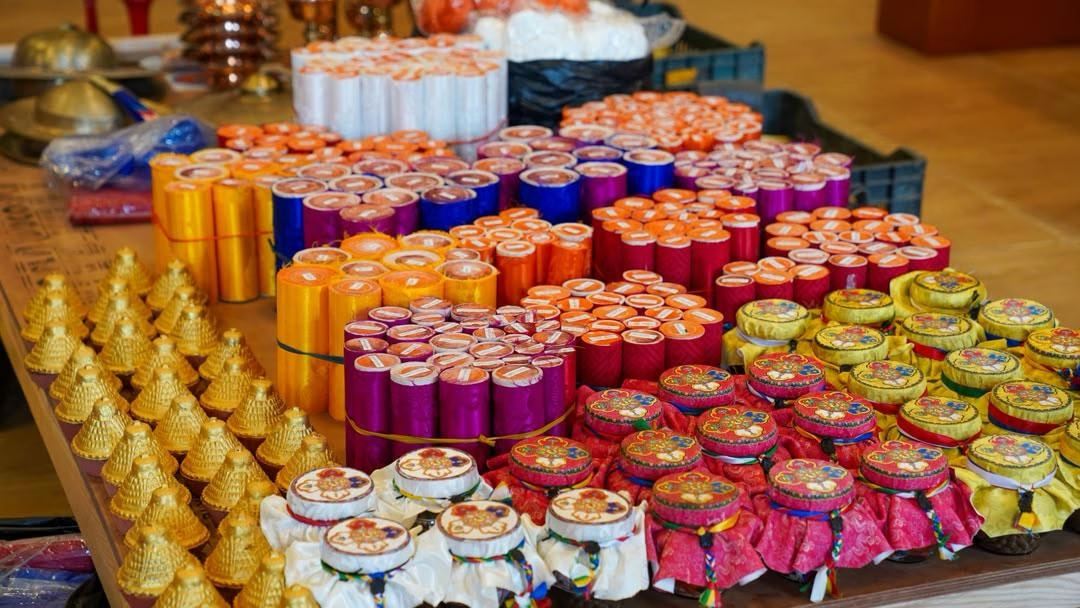
What initially seemed impossible for young Dorji gradually transformed through observation, practice, and mentorship. His early attempts produced loose rolls that failed to retain proper shape. Under the patient guidance of experienced monks, he learned the precise hand positioning and pressure application required for success. Within weeks, his muscle memory absorbed techniques that had been transmitted through generations of Buddhist practitioners.
This intergenerational transmission represented something profound: the continuation of living tradition. Knowledge didn't flow from textbooks or instruction manuals, but from the hands of masters to the hands of students, within the context of meaningful, purposeful work.
Community Support: The Invisible Foundation 🤝
The monks never worked in isolation. As awareness of the project spread throughout Bhutan, community support materialized in tangible ways. People began arriving at Sarpang Dzong bearing gifts:
- Food and provisions sustaining the workers
- Heirlooms and precious ornaments offered as sacred materials
- Gold and silver objects representing material wealth
- Everyday items including axes, hoes, ploughs, and tools
- Jewellery and ritual instruments carrying spiritual significance
These offerings transformed thezung preparation into something far greater than a monastic project—it became a collective expression of national spirituality. Each item carried not merely material value, but the intention and state of mind of the person offering it. A farmer's hoe held the same sacred significance as a nobleman's gold ornament, distinguished only by the sincerity of the giver's heart.
Sustaining the Workers: The Kitchen as Sacred Space
Behind the visible work of scripture preparation stood another essential service: feeding the workers. Gempo Tshering, affectionately known as Apala, led the kitchen operations alongside the thezung workshop. Rice, vegetables, and provisions were carefully prepared daily.
As the project gained momentum, the nature of support evolved. What initially required substantial purchased provisions gradually transformed into a collective effort. Community members began delivering sacks, baskets, and bundles of offerings—food contributed as acts of merit-making and support for the sacred work.
In this way, the preparation of thezung extended far beyond the tables where scriptures were rolled. It encompassed:
- Kitchen workers preparing meals
- Donors contributing provisions
- Community members sustaining the entire effort
- The wider network of support that made the work possible
The Spiritual Significance of Hidden Sacredness 🙏
Bhutanese Buddhist tradition teaches that the most powerful spiritual work often remains unseen. The 108 chortens exemplify this principle profoundly. Thousands of visitors will circumambulate these structures, offer prayers, and experience their spiritual presence—yet they will never witness the months of labour, the careful preparation, or the community sacrifice that gave these chortens their sacred essence.
This hidden dimension reflects a deeper spiritual truth: true merit lies not in recognition or visibility, but in sincere intention and dedicated service. The monks who prepared thezung, the communities who offered provisions and precious items, and the countless individuals who contributed to this endeavor will receive the fruits of their actions whether or not they receive public acknowledgment.
A Monument to Collective Devotion 💫
The 108 chortens along the Mao River stand as more than architectural achievements—they represent the crystallization of Bhutanese spiritual values in physical form. Each structure embodies:
- Intergenerational knowledge transmission from experienced practitioners to young students
- Community unity transcending regional and social boundaries
- Spiritual intention manifested through collective effort
- Cultural continuity preserving Buddhist traditions for future generations
- The principle that sacred work often thrives in obscurity, guided by sincere purpose rather than external recognition
As these white stupas age and weather along the Mao River, their interior sacred materials will remain forever sealed, invisible yet eternally present. They represent Bhutan's commitment to maintaining spiritual traditions while embracing modern development—a delicate balance that defines the nation's unique path.
Looking Forward: The Legacy of Sacred Work 🌟
The completion of the 108 chortens marks not an ending, but a continuation of Bhutanese spiritual practice. Future generations will visit these structures, perform circumambulations, and offer prayers, unaware of the intricate preparation that preceded their construction.
Yet this project has already transformed those who participated in it. Young monks like Dorji Wangchuk carry forward techniques and knowledge that will inform their own teaching and practice. Communities across Bhutan have experienced the power of collective spiritual endeavor. The nation has demonstrated its commitment to preserving sacred traditions even as it navigates contemporary challenges.
The 108 chortens ultimately teach a universal lesson: that the most meaningful accomplishments often remain hidden from view, sustained by sincere intention, community support, and the quiet dedication of individuals committed to something greater than themselves. In Bhutan's sacred landscape, these white structures along the Mao River will stand as eternal reminders of what becomes possible when a nation unites around shared spiritual values.
You May Also Like
Culture
108 Stupas in Sacred Harmony: Bhutan's Historic Spiritual Milestone
October 31, 2026
Culture
A Lungten Prophecy: Bhutan's 108 Stupas & Spiritual Vision
October 31, 2026
Culture
Project 108 Stupas: Bhutan's Spiritual Vision Unites Nation
October 31, 2026
Culture
Buddhist Masters Gather in Gelephu for 108 Jangchub Chortens
October 31, 2026