Category:
CultureProject 108 Stupas: Bhutan's Spiritual Vision Unites Nation
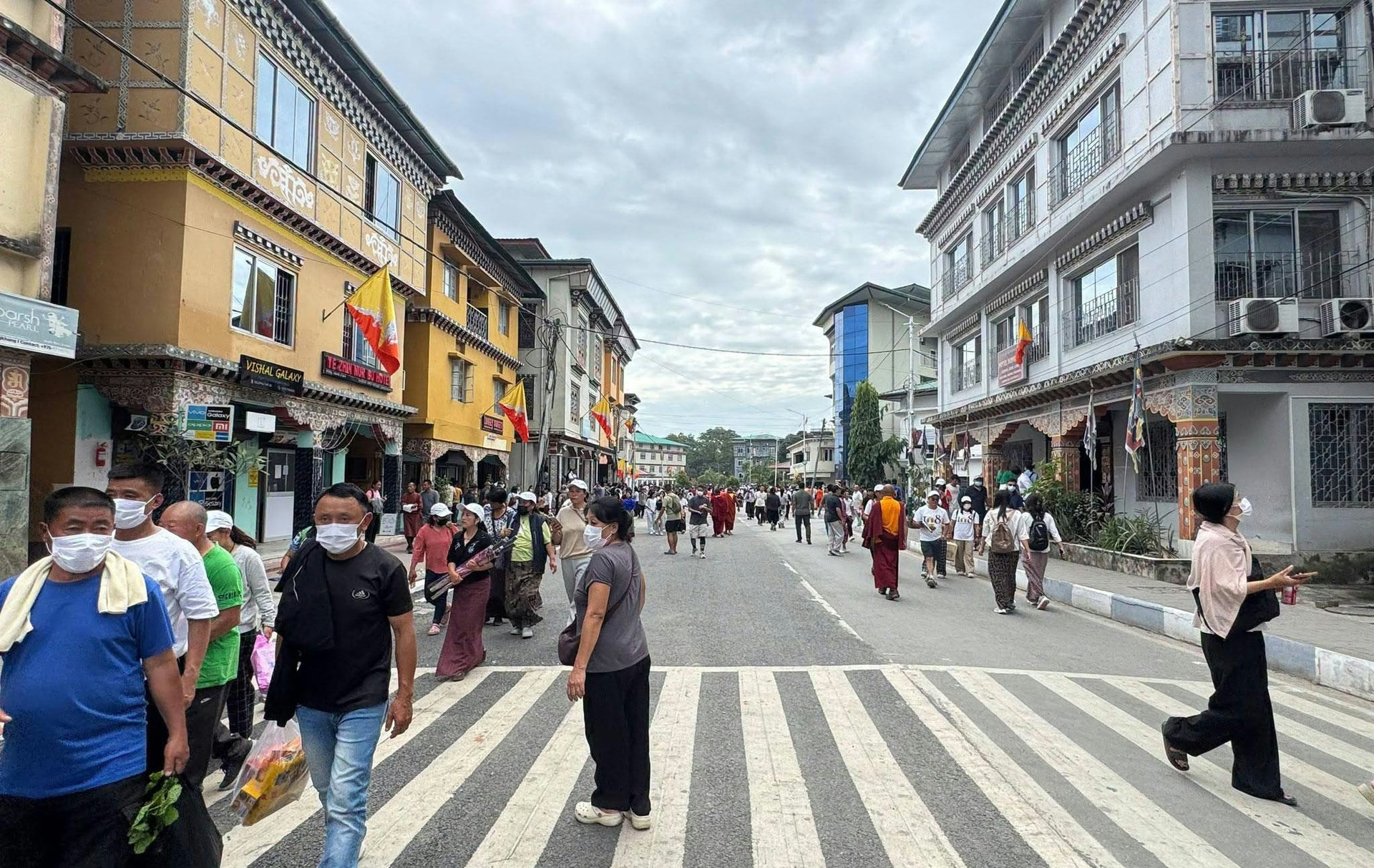
A Sacred Initiative Reshaping Bhutan's Spiritual Landscape 🙏✨
Bhutan stands at a transformative moment in its cultural and spiritual history. Project 108, an ambitious initiative to construct 108 sacred stupas in Gelephu Mindfulness City, has captured the hearts and minds of citizens across the nation and devotees worldwide. This monumental undertaking represents far more than architectural achievement—it embodies a collective commitment to preserving Buddhist heritage while advancing a development model that prioritizes mindfulness and compassion alongside economic progress.
The project reflects His Majesty The King's visionary approach to national development, one that seeks to balance material growth with spiritual enrichment. As citizens from every corner of Bhutan make pilgrimages to participate in the construction, their stories reveal the profound spiritual significance this initiative holds for the nation's identity and future.
Understanding the Spiritual Significance of 108 Stupas 🏛️
The number 108 carries profound meaning in Buddhist tradition, representing completion, wholeness, and spiritual perfection. In Bhutanese culture, this sacred numeral resonates deeply with practitioners who use prayer beads—known as malas—consisting of 108 beads to count mantras and meditations. The stupas, also called chortens in the Tibetan Buddhist tradition, serve as physical manifestations of the enlightened mind of Buddha, offering devotees tangible spaces for spiritual contemplation and merit accumulation.
These structures symbolize peace, harmony, and faith—values central to Bhutanese identity. By constructing 108 of them, the nation is creating not merely religious monuments but spiritual anchors that will guide generations to come. Each stupa represents a collective prayer for the wellbeing of all sentient beings, transcending individual benefit to embrace universal compassion.
Citizens Share Their Spiritual Journey 💫
The Mother's Prayer for Protection
Tshering Yangki, a mother of four from Thimphu, exemplifies the personal devotion driving this movement. For her, the stupas represent hope and divine protection for all living beings. Before making her contribution, she began with the sacred mantra "Om Mani Padme Hum," then offered prayers encompassing not just humanity but all creatures. Her wish extends beyond personal blessing—she prays that these structures protect Bhutan from diseases, disasters, and suffering.
This sentiment reflects a broader understanding among participants that their contributions serve purposes larger than themselves. The stupas become vessels for collective aspirations, transforming individual effort into national spiritual practice.
The Farmer's Reconnection with Faith
Mangali Limbu, a 50-year-old farmer from Gomtu in Samtse, discovered unexpected spiritual renewal through this project. The number 108 triggered her recognition of the prayer beads she uses daily—a connection that deepened her commitment to spiritual practice amidst agricultural responsibilities. For farmers like Mangali, whose demanding schedules often leave little time for formal prayer, the project served as a powerful reminder to prioritize spiritual cultivation.
Beyond personal practice, Mangali envisions the completed stupas attracting international pilgrims seeking authentic Buddhist experiences. This perspective highlights how the project bridges personal spiritual growth with Bhutan's cultural tourism potential, creating economic and spiritual synergies.
The Nun's Tears of Joy
Melam Wangmo, a nun from Anim Dratshang, was moved to tears upon learning of Project 108's announcement. Her emotional response captures the depth of meaning this initiative holds for Bhutan's religious community. She views the stupas as sacred gathering spaces where people can pray, reflect, and strengthen their faith practices. The project, launched by His Majesty, represents an unprecedented opportunity to unite the nation through shared spiritual purpose while safeguarding Buddhist traditions for future generations.
For monastic communities like hers, the project validates their commitment to preserving Bhutanese Buddhism during an era of rapid modernization. It signals that spiritual values remain central to national identity and development priorities.
Educational Leaders Embrace the Vision 🎓
Kinley Dorji, Principal of Laya School, represents an important demographic—educators who recognize the project's role in transmitting cultural heritage. He emphasizes that the stupas embody peace, harmony, faith, and collective merit-making. For educators, the project offers tangible lessons about Bhutanese values, demonstrating to students that spiritual and cultural preservation requires active participation and sacrifice.
Kinley's planned journey to Gelephu, despite logistical challenges, illustrates the priority educators place on this initiative. He hopes the completed stupas will become internationally recognized landmarks, drawing pilgrims from across the globe while establishing Bhutan as a center for authentic Buddhist practice and mindfulness-based tourism.
The Power of Individual Contribution 🌟
Sincerity Over Scale
Meto Selden travelled from Tsirang with clear purpose: to contribute to something spiritually and nationally significant. Her philosophy emphasizes that contribution's meaning derives not from magnitude but from the intention and sincerity behind it. This perspective democratizes participation, suggesting that whether someone donates substantial resources or modest efforts, what matters is the purity of heart motivating the action.
Meto's long-term vision reveals how participants envision their involvement creating lasting personal meaning. Years hence, she will recall with satisfaction that she participated in this historic spiritual undertaking, knowing her efforts contributed to something transcending individual achievement.
Service as Spiritual Practice
Sonam Tshering Wangchuk, who travelled from Thimphu, frames participation as national service and spiritual practice intertwined. For him, distance and effort pale in comparison to the project's significance. This perspective reflects a mature understanding that meaningful contributions sometimes demand sacrifice, and that such sacrifice strengthens both individual character and national cohesion.
Sonam articulates how the project exemplifies His Majesty's development philosophy—balancing economic advancement with mindfulness, compassion, and Bhutanese values. His participation generates not just spiritual merit but also civic pride and enhanced sense of national responsibility. He recognizes that individual contributions gain meaning through collective alignment toward common purpose.
International Buddhist Community Participation 🌍
Jamyang Dorji, a monk from Rumtek Monastery in Sikkim following the Karma Kagyu tradition, travelled to Gelephu after learning of the massive gathering. His participation demonstrates how Project 108 transcends national boundaries, drawing Buddhist practitioners from neighboring regions. The prospect of receiving blessings from His Holiness the Karmapa and other revered Rinpoches motivated his journey, highlighting the project's significance within broader Himalayan Buddhist networks.
Jamyang emphasizes that chorten construction represents a virtuous act through which devotees accumulate merit while offering prayers for all sentient beings. The international participation illustrates how faith-based initiatives can unite people across political borders, creating spaces where spiritual values supersede national boundaries.
This cross-border participation enriches the project's spiritual dimensions while strengthening Bhutan's position as a guardian of authentic Buddhist traditions in an increasingly secularized world.
Documenting History Through Photography 📸
Nidup Dorji, one of 108 photographers documenting the initiative, serves as both participant and chronicler. His dual role—contributing spiritually while preserving the moment through imagery—reflects the project's multifaceted significance. Through his camera, he captures not merely construction progress but the devotion, unity, and collective effort animating the endeavor.
Nidup recognizes that his photographic documentation transcends technical documentation—it preserves an important historical and spiritual moment for future generations. By sharing these images globally, he helps transmit Bhutan's spiritual values to international audiences, extending the project's impact beyond physical construction.
The Broader Context: Bhutan's Development Model 🏔️
Project 108 emerges within Bhutan's distinctive development framework, famously prioritizing Gross National Happiness over Gross Domestic Product. This project exemplifies that philosophy in practice, demonstrating how national initiatives can simultaneously advance spiritual preservation, cultural tourism, urban development, and civic unity.
Gelephu Mindfulness City itself represents innovative urban planning—a development project explicitly designed around Buddhist principles and contemplative practices. By anchoring this city with 108 stupas, Bhutan creates a globally unique model of spiritually-informed urbanism, positioning itself as a counterpoint to secular modernization narratives dominating most development discourse.
The project also addresses demographic challenges facing Buddhist traditions in modern Asia. By creating pilgrimage destinations and spiritual gathering spaces, Bhutan strengthens conditions for younger generations to engage with Buddhist practice, ensuring tradition's continuity amid technological disruption.
Cultural Heritage Preservation in Action 🎭
Project 108 represents active cultural preservation rather than passive heritage conservation. Participants aren't merely protecting existing traditions—they're creating new sacred spaces that will generate spiritual experiences for centuries. This dynamic approach acknowledges that cultural heritage survives through living practice, not museum preservation.
The project also demonstrates how spiritual initiatives can address modern challenges. In an era of widespread anxiety, disconnection, and mental health crises, creating spaces dedicated to mindfulness, prayer, and contemplation responds to genuine contemporary needs. Bhutan's emphasis on these dimensions positions the nation as offering valuable wisdom to increasingly stressed global populations.
Looking Forward: Legacy and Impact 🚀
As construction progresses, Project 108 is already reshaping how Bhutanese citizens understand national identity and spiritual practice. The initiative has mobilized thousands across the country, creating shared purpose and renewed commitment to Buddhist values. For younger generations, the project demonstrates that tradition and modernity aren't necessarily opposed—they can integrate through thoughtful, intentional efforts.
The completed stupas will undoubtedly become major pilgrimage destinations, attracting Buddhist practitioners and spiritual seekers globally. This international dimension will generate tourism revenue while spreading Bhutanese Buddhist teachings, creating economic and spiritual benefits simultaneously.
Perhaps most significantly, Project 108 models how nations can pursue development that honors spiritual dimensions of human experience. In a world increasingly questioning whether economic growth alone constitutes genuine progress, Bhutan's approach offers compelling alternatives—demonstrating that societies can advance materially while deepening spiritual foundations.
Key Takeaways 💡
Project 108 represents far more than architectural construction. It embodies:
- Spiritual renewal through collective participation in sacred practice
- Cultural preservation ensuring Buddhist traditions thrive in modern contexts
- National unity transcending regional, economic, and demographic boundaries
- Innovative development balancing material progress with mindfulness and compassion
- International engagement positioning Bhutan as guardian of authentic Buddhist wisdom
- Intergenerational commitment creating lasting legacies for future generations
As citizens continue their pilgrimages to Gelephu, each contribution—whether substantial or modest—strengthens both individual spiritual practice and national cultural foundation. The 108 stupas rising across the landscape represent not merely stone and mortar, but collective prayers, shared aspirations, and Bhutan's enduring commitment to a development model that honors both material and spiritual dimensions of human flourishing.
You May Also Like
Culture
108 Stupas in Sacred Harmony: Bhutan's Historic Spiritual Milestone
October 31, 2026
Culture
A Lungten Prophecy: Bhutan's 108 Stupas & Spiritual Vision
October 31, 2026
Culture
The Heart Within the 108 Chortens: Sacred Relics
October 31, 2026
Culture
Buddhist Masters Gather in Gelephu for 108 Jangchub Chortens
October 31, 2026