Category:
CultureA Lungten Prophecy: Bhutan's 108 Stupas & Spiritual Vision
Understanding Lungten: Ancient Prophecy Meets Modern Bhutan 🏔️
In an era dominated by artificial intelligence, quantum computing, and digital innovation, the concept of lungten—spiritual prophecy rooted in deep Buddhist tradition—might seem anachronistic to outsiders. Yet Bhutan, a nation that has consistently prioritized Gross National Happiness over GDP, continues to honor these ancient beliefs with remarkable conviction. The nation's commitment to spiritual prophecy demonstrates how timeless wisdom can coexist meaningfully with contemporary aspirations.
Lungten represents more than mere fortune-telling; it embodies the belief that sacred sites and significant historical moments carry spiritual significance predicted centuries in advance. This profound cultural principle has guided Bhutanese civilization for generations, influencing everything from architectural decisions to national celebrations.
The Historic 108 Stupas: A Prophecy Realized 🙏
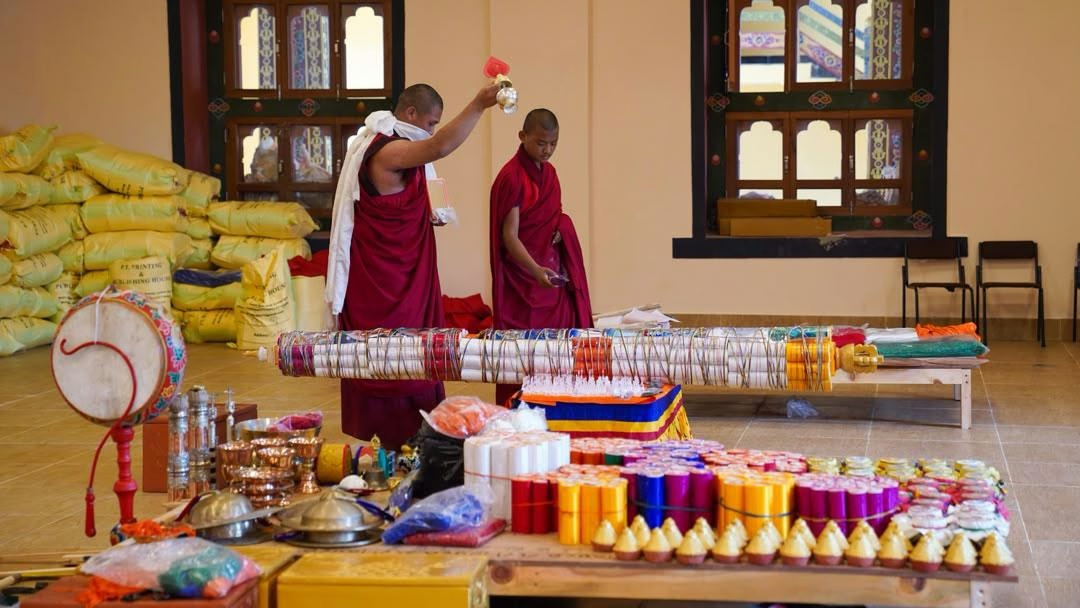
On November 1st, Bhutan undertook one of the most ambitious spiritual projects of the 21st century: constructing 108 Jangchub Chortens (stupas) in a single day. These towering 15-meter-high structures, meticulously arranged along a precise 12-kilometer line following the Mau Chhu river, represent far more than architectural achievement—they embody a nation's spiritual commitment to global peace and harmony.
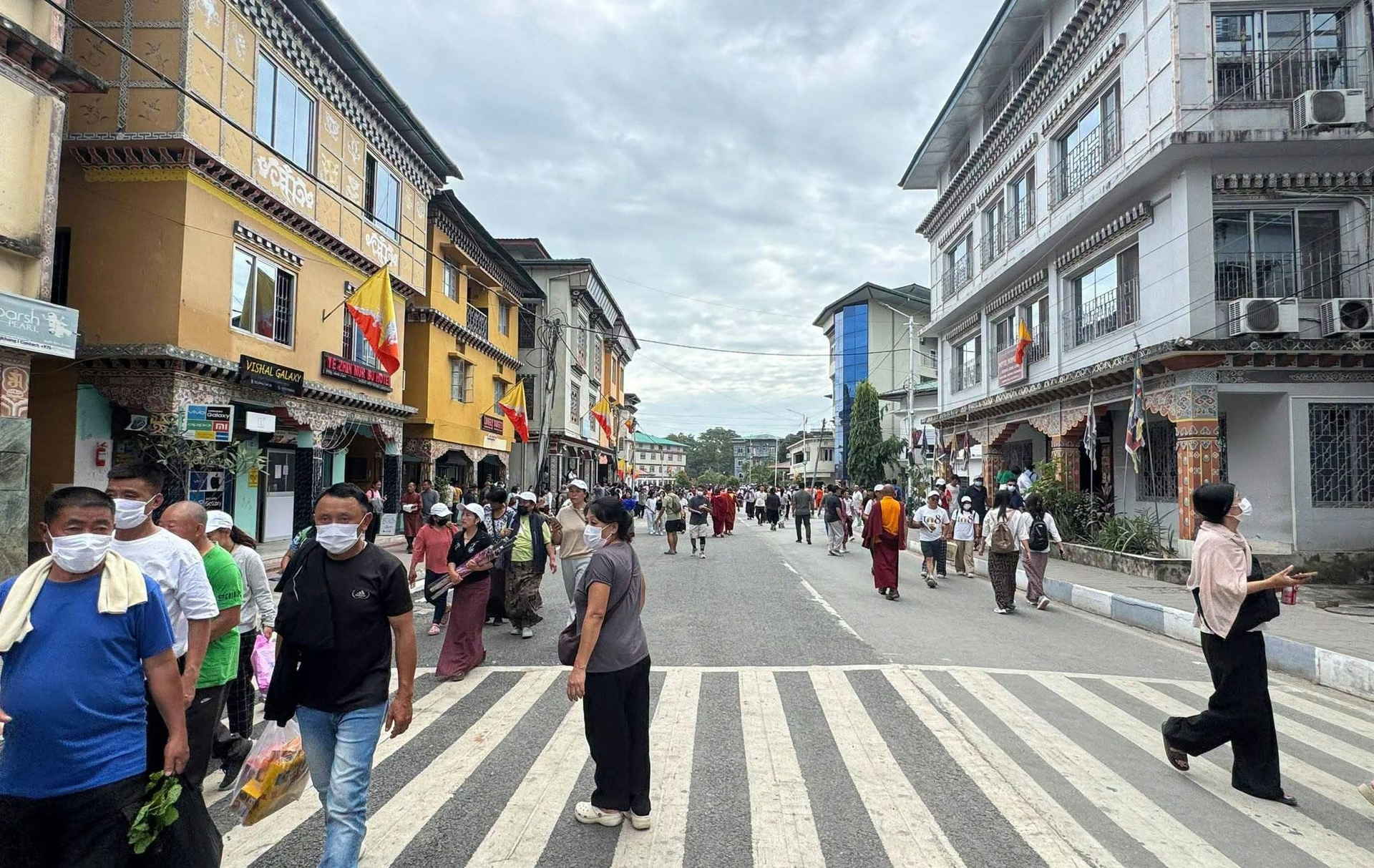
The undertaking began before dawn, with approximately 200,000 devotees gathering to participate in collective prayers and ceremonies. The sheer scale of this coordinated spiritual effort attracted international attention, with dignitaries and spiritual leaders traveling from across the globe to witness what many consider a defining moment in contemporary Buddhist practice.
The Spiritual Significance of the Number 108 ✨
The selection of 108 stupas carries profound symbolic weight rooted in Buddhist cosmology and Himalayan history. This sacred number references the legendary 7th-century Tibetan King Songtsen Gampo, who constructed 108 temples in a single night to suppress negative forces and promote spiritual harmony throughout the region.
Two of those original temples remain standing in Bhutan today, continuing to inspire devotion and reverence. By resurrecting this ancient practice in the modern era, Bhutan creates a spiritual continuity spanning over thirteen centuries—a tangible connection between past wisdom and present action.
Why This Moment Matters for Global Peace 🌍
The timing of this spiritual undertaking could hardly be more significant. Our contemporary world faces unprecedented challenges: ongoing conflicts devastate communities, natural disasters intensify due to climate change, and humanitarian crises demand urgent attention. Many of these crises stem directly from human actions, creating a collective sense of urgency around finding sustainable solutions.
Bhutan's massive spiritual initiative sends an unmistakable message: peace remains humanity's most universal aspiration. By inviting the world to pause and reflect on our collective trajectory, this prophecy-fulfilling project transcends cultural and religious boundaries. The stupas become physical manifestations of hope, their collective prayers radiating outward as a call for global reconciliation and understanding.
Gelephu Mega City (GMC): A Buddhist Capital for Tomorrow 🏙️
The construction of these 108 stupas represents only the beginning of an even grander vision: establishing Gelephu Mega City as a 21st-century Buddhist capital. As a Special Administrative Region (SAR), GMC transcends conventional definitions of urban development—it represents something far more spiritually ambitious.
Beyond Economics: A Spiritual Foundation 🔯
While GMC aspires to unlock significant economic potential for Bhutan through investment, infrastructure, and sustainable growth, its true promise extends deeper. The city is being deliberately rooted in spiritual traditions stretching back centuries, creating a unique synthesis of ancient wisdom and contemporary development.
This approach challenges conventional urban planning paradigms. Rather than treating spiritual and economic development as separate concerns, Bhutan integrates them into a cohesive vision where material prosperity and spiritual flourishing reinforce one another.
A Gathering of Buddhist Traditions 🕉️
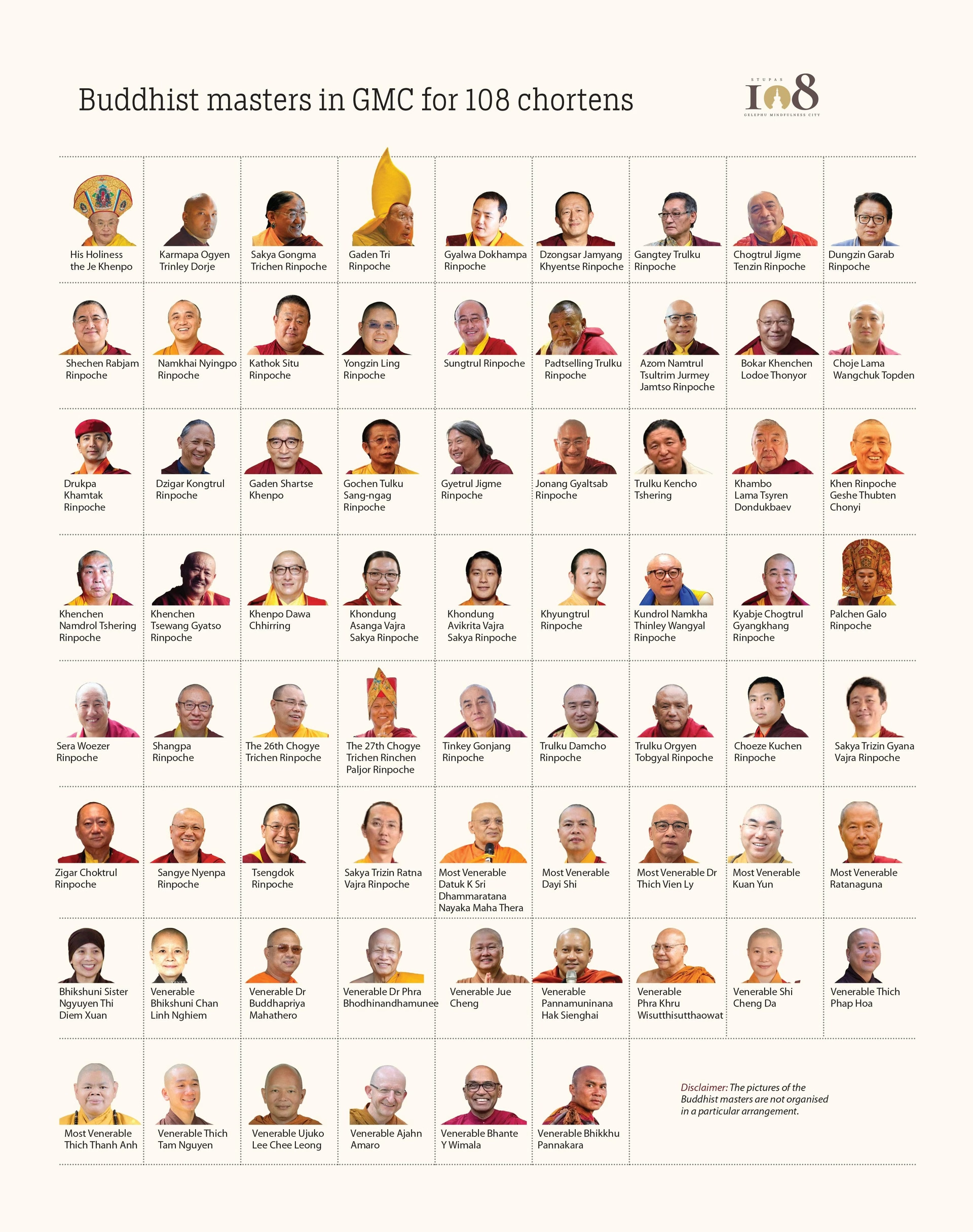
The construction ceremony brought together an unprecedented assembly of Buddhist masters—Rinpoches, Lams, and Khenpos—representing five distinct traditions:
- Drukpa Kagyu (Bhutan's predominant tradition)
- Nyingma (the ancient school)
- Gelug (the scholarly tradition)
- Sakya (the esoteric school)
- Theravada (the foundational tradition)
This convergence of lineages created something historically remarkable. While places like Bodh Gaya in India have long served as pilgrimage destinations attracting Buddhist masters worldwide, Gelephu represents an inversion of this pattern—the spiritual center emerges around the gathering rather than existing beforehand. For followers of these diverse Buddhist schools, witnessing such interfaith cooperation constitutes a rare, perhaps once-in-a-lifetime experience.
The Prophecy's Deeper Meaning 💫
The concept of lungten suggests that significant moments carry spiritual predestination. While the 108 stupas rising in Gelephu may not have been foretold in classical prophecies, their timing feels cosmically appropriate. The world desperately needs the message they embody: that peace, harmony, and spiritual renewal remain possible even amid global turbulence.
His Majesty The King's vision creates a lasting legacy—a defining 21st-century moment grounded in Bhutan's profound spiritual heritage. This isn't merely infrastructure development; it's the deliberate construction of spiritual infrastructure designed to benefit humanity.
What This Means for Bhutan's Future 🌟
The completion of these 108 stupas marks an important beginning rather than an endpoint. Gelephu's development will proceed with this spiritual foundation firmly established, ensuring that economic growth never overshadows the values that make Bhutan distinctive among nations.
As Bhutan continues navigating globalization and modernization, projects like these demonstrate that ancient wisdom and contemporary progress aren't mutually exclusive. Instead, they can strengthen one another when pursued with intentionality and reverence.
A Message for Our Time 🕯️
In a world increasingly fractured by conflict, uncertainty, and divisiveness, perhaps Bhutan's lungten—this prophecy of peace manifested through 108 stupas—represents exactly what humanity needs. The gathering of 200,000 devotees, the convergence of Buddhist traditions, and the construction of these monumental structures all communicate a singular truth: peace remains achievable when we align our actions with our deepest spiritual values.
Bhutan's spiritual undertaking invites global reflection on where civilization is headed. It challenges the assumption that progress must mean abandoning ancient wisdom. Instead, it demonstrates that the most meaningful advancement integrates timeless spiritual principles with contemporary vision.
The 108 stupas rising along the Mau Chhu river stand as testaments to this integrated approach—monuments to peace that will inspire generations to come, fulfilling a prophecy that transcends conventional time and speaks directly to humanity's eternal yearning for harmony.
You May Also Like
Culture
108 Stupas in Sacred Harmony: Bhutan's Historic Spiritual Milestone
October 31, 2026
Culture
The Heart Within the 108 Chortens: Sacred Relics
October 31, 2026
Culture
Project 108 Stupas: Bhutan's Spiritual Vision Unites Nation
October 31, 2026
Culture
Buddhist Masters Gather in Gelephu for 108 Jangchub Chortens
October 31, 2026