Category:
EducationTextbook Delays: Bhutan's Emergency Printing Plan
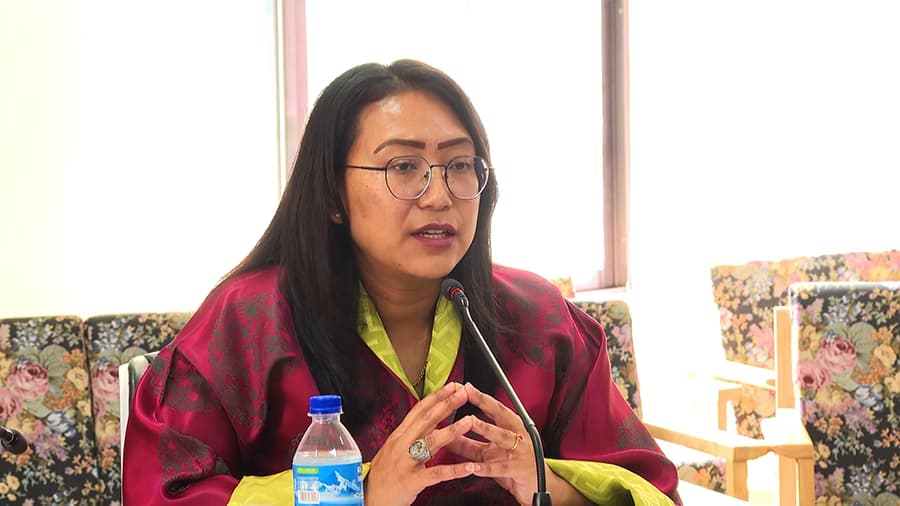
The Ministry of Education and Skills Development (MoESD) in Bhutan has faced a significant challenge this academic year with the introduction of the Cambridge-aligned National School Curriculum for Classes 9 and 11. The anticipated textbooks have not yet reached the schools, causing disruption in the learning process. Let's explore the reasons behind this delay and the proactive measures being taken.
Why the Delay? ❓
The MoESD initially planned to outsource textbook printing to international companies. However, in a bid to bolster the local economy, the decision was made to engage local printing firms. This shift aimed to empower the domestic printing industry but inadvertently led to unforeseen delays.
Local Printing Challenges 📚
For the first time, Bhutanese printers took on the task of designing and printing textbooks. This new endeavor presented challenges in both design and production phases, causing significant delays. The education minister, Yeezang De Thapa, highlighted that while the ministry aimed to deliver the textbooks by the end of the previous month, delays were inevitable as local firms adapted to this extensive project.
Interim Solutions: Digital Learning 📱
While the physical textbooks are delayed, the MoESD has provided all schools with digital copies of the 25 textbooks. This approach allows schools to pilot the curriculum and gather feedback from students and teachers over three months. This feedback loop is crucial to ensure that the final printed versions are error-free and meet educational standards.
Emergency Printing Measures 🖨️
To address immediate needs, the ministry has commenced emergency printing from the digital versions of the textbooks. This interim measure ensures that students have access to necessary learning materials for their midterm preparations.
Future Outlook: Comprehensive Curriculum Rollout 🗓️
The curriculum for Primary to Class 8 has draft textbooks developed, currently under review. The design phase is expected to conclude by July and August. Meanwhile, teachers are actively preparing materials for Classes 10 and 12, with final versions anticipated by the end of this month. Subsequent expert reviews will refine these materials before widespread distribution.
Supporting Local Industry: A Strategic Decision 🏢
Despite the setbacks, the decision to utilize local printing services is a strategic move to enhance Bhutan's self-sufficiency in educational resources. This initiative aligns with broader economic goals to empower local industries and reduce reliance on international suppliers.
Broader Implications and Trends 🌍
This initiative is reflective of a global trend where countries are increasingly focusing on local capacities and resources for educational materials. By investing in local industries, nations not only boost their economies but also foster innovation and skill development within their borders.
Conclusion: Navigating Challenges Successfully 🎓
While the delay in textbook delivery has posed challenges, the MoESD's strategic measures are commendable. By integrating digital resources and supporting local industries, Bhutan is setting a precedent for balancing immediate educational needs with long-term economic strategies. As the curriculum's rollout progresses, the focus remains on delivering quality education through collaborative efforts between the government, educators, and local businesses.
This proactive approach not only addresses the current shortage but also lays a foundation for a more resilient educational framework in Bhutan, ultimately benefiting students and the nation as a whole.
You May Also Like

Education
Strengthening School Support for Students Unable to Afford Tuition
September 13, 2026
Education
Student Citizen Journalism: Breaking Silence on Bullying
September 12, 2026
Education
Tashithang ECCD Centre: Nurturing Young Learners in Rural Bhutan
September 6, 2026

Education
Primary Dzongkha Teacher Crisis: 69 Graduates, 10 Vacancies
September 5, 2026