Category:
EducationRediscovering the Heart of Teaching
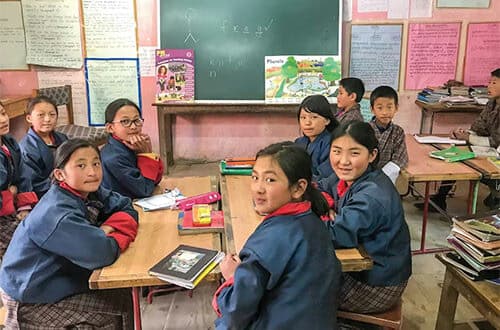
Teaching, often hailed as one of the noblest professions, is rooted in the transformative power of education. Yet, many educators today feel a profound sense of disconnection from the very essence that once inspired their journey. Let's delve into what constitutes the 'missing soul' of teaching and how it can be rekindled.
The Changing Landscape of Education 🎓
In recent years, the educational landscape has undergone significant shifts. With the advent of technology and evolving societal needs, the role of teachers has expanded beyond traditional boundaries. However, these changes have not always been accompanied by the necessary support and recognition, leading to a palpable sense of dissatisfaction among educators.
Historical Context: The Evolution of Teaching
Historically, teaching in Bhutan and many parts of the world was revered. Teachers were seen as custodians of knowledge, shaping future generations. The Third Druk Gyalpo's visionary legacy emphasized education as a cornerstone for national development. Yet, despite this foundational belief, the realities of teaching, especially in rural areas, present a stark contrast.
Challenges Faced by Educators 📚
Resource Constraints
Teachers in remote regions often grapple with inadequate resources. Schools, some over six decades old, struggle with insufficient infrastructure. Classrooms with bamboo walls and mud floors are not uncommon, and such conditions make effective teaching a Herculean task.
Emotional and Physical Demands
The emotional toll of teaching, especially in underprivileged areas, cannot be overstated. Educators frequently experience burnout due to large class sizes, limited pedagogical resources, and the pressure to meet educational benchmarks. The lack of immediate gratification, common in rural settings, further exacerbates feelings of inadequacy.
Teacher-Student Dynamics
The bond between teachers and students is pivotal. In many rural schools, English proficiency is a significant hurdle. Teachers, often trained in other disciplines, find themselves teaching subjects outside their expertise, which can lead to frustration for both educators and learners.
The Joy of Teaching: A Lost Art? 🌟
Despite these challenges, many educators reminisce about the intrinsic joy found in teaching. The satisfaction derived from witnessing a student's growth, the 'aha' moments, and the genuine appreciation from young learners are invaluable. However, in the hustle for academic excellence, this joy sometimes fades.
Reigniting Passion in Teaching 🔥
Embracing New Methodologies
To revitalize the teaching profession, embracing innovative teaching methods is crucial. Interactive learning, technology integration, and a focus on critical thinking skills can make learning more engaging for students and fulfilling for teachers.
Policy Interventions
Governments and educational bodies need to prioritize teacher welfare. Offering competitive salaries, professional development opportunities, and mental health support can help retain passionate educators.
Community and Stakeholder Engagement
Education is a collective responsibility. Encouraging community involvement and parental engagement can create a supportive environment for teachers, fostering a sense of shared purpose.
Conclusion: The Soul of Teaching 💫
The essence of teaching lies in the passion for imparting knowledge and nurturing future generations. While the challenges are undeniable, the potential for impact is immense. By addressing systemic issues and fostering a supportive environment, the missing soul of teaching can be rediscovered, inspiring a new generation of educators dedicated to making a difference.
In the end, teaching is not just a profession; it's a calling. And for those who heed this call, the rewards, though often intangible, are profoundly fulfilling.
You May Also Like
Education
Student Citizen Journalism: Breaking Silence on Bullying
September 12, 2026
Education
Tashithang ECCD Centre: Nurturing Young Learners in Rural Bhutan
September 6, 2026
Education
Primary Dzongkha Teacher Crisis: 69 Graduates, 10 Vacancies
September 5, 2026
Education
EtonHouse Bhutan International School Opens Doors
August 31, 2026