Category:
EducationTechnical Training Institutes Launch New Courses for Job Market Alignment
Bridging the Skills Gap: How Vocational Training is Evolving 🎓
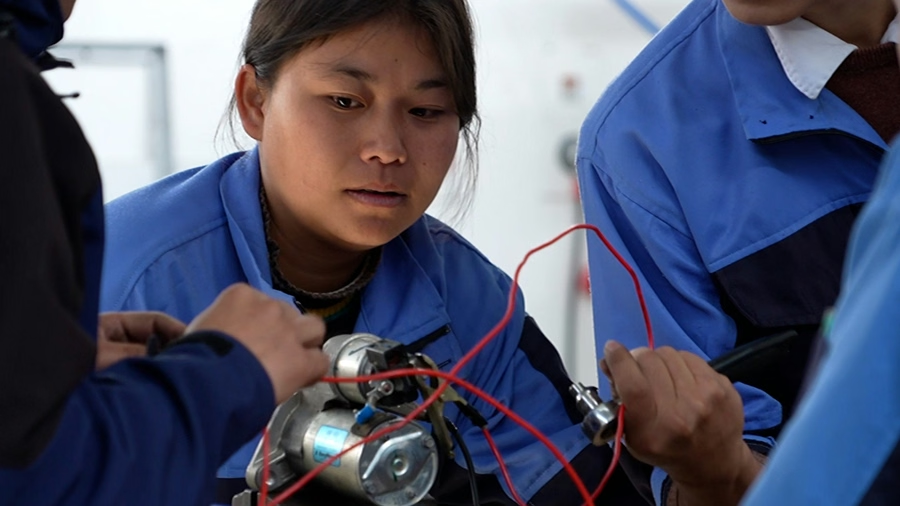
Bhutan's vocational education sector is undergoing a significant transformation. Technical training institutes across the country are responding to a critical challenge: aligning their curriculum with real-world employer demands. This strategic shift comes at a crucial time when the job market is rapidly evolving, particularly in emerging sectors like electric vehicle maintenance, digital media, and specialized trades.
Recent data reveals a sobering reality—only 67 percent of TVET (Technical and Vocational Education and Training) graduates secure employment within their first year of completing training. This employment gap has prompted technical training institutes to become more responsive and proactive in designing courses that directly address labor market needs.
The EV Revolution: Driving New Skill Requirements ⚡
One of the most compelling examples of this curriculum evolution is the rise of electric vehicle (EV) maintenance training. As Bhutan transitions toward sustainable transportation, the demand for skilled EV mechanics has exploded. A 2025 government feasibility study of Bhutan's emerging EV sector projected a need for more than 187 EV mechanics over the next two years alone.
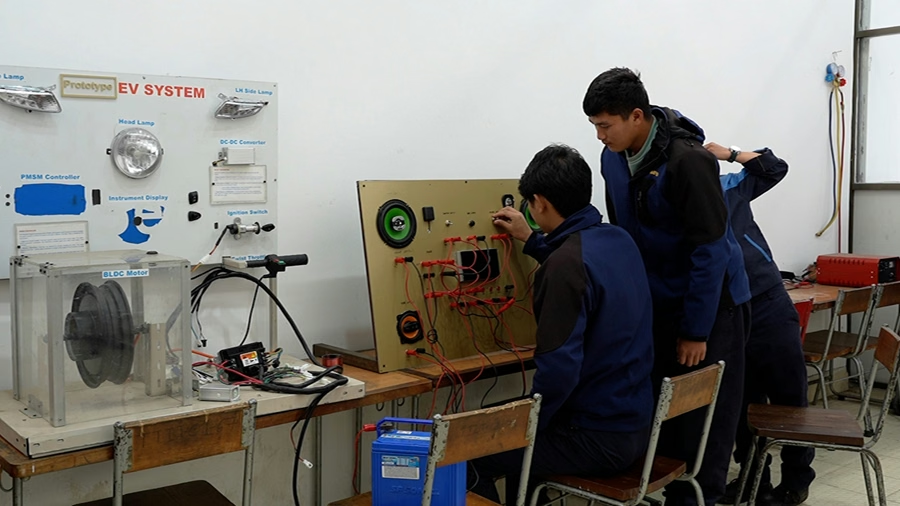
Currently, the Technical Training Institute in Thimphu offers auto electrical skills training, where trainees learn to repair and maintain vehicle electrical circuits and components. However, recognizing the limitations of traditional auto electrical knowledge in an EV-dominated future, the institute is upgrading its offerings significantly.
Starting next year, the institute will introduce an Autotronics course at BQF Level 3. This specialized program teaches trainees to diagnose and repair the sophisticated electronic systems found in modern vehicles. The distinction is crucial: while basic auto electrical skills focus on wiring and conventional electrical components, Autotronics emphasizes sensors, electronics, and advanced electrical systems that are fundamental to EV operation.
Sangay Dorji Ghishing, an auto electrical trainee, articulates the market reality: "With more electric vehicles entering the market, I think fuel-powered vehicles will gradually disappear. So, there will be greater demand for skills related to sensors and electrical systems." This perspective reflects not just personal observation but a broader industry consensus about Bhutan's automotive future.
Expanding the Technical Institute Portfolio 🏭
The Technical Training Institute in Thimphu currently offers 12 courses and plans to expand significantly. By early next year, the institute will introduce two additional programs:
- Autotronics (BQF Level 3) - for EV and modern vehicle maintenance
- Diploma in Digital Animation - for creative industry demands
Recently, the institute also launched courses in Automobile Technology and Heating, Ventilation and Air Conditioning (HVAC), with graduates expected by the end of December. This expansion demonstrates a comprehensive approach to workforce development across multiple sectors.
Digital Animation: Meeting Creative Industry Demand 🎬
Beyond automotive skills, technical institutes are recognizing the explosive growth in digital media and animation. The banking sector has emerged as a significant employer of animation professionals, requiring videos for marketing campaigns and customer engagement. Government agencies, too, increasingly commission animation content for health awareness campaigns, e-learning initiatives, and public information programs.
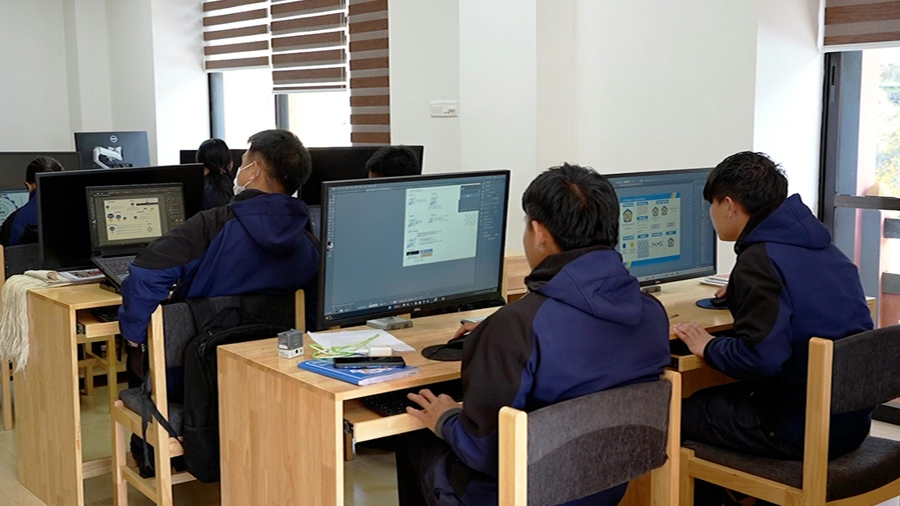
Pema Thinley, a trainee pursuing digital animation, notes the practical applications: "Digital Animation is in demand in the banking sector, as banks need videos for marketing. Government agencies also require animation videos to create awareness about health, e-learning and other areas."
Tandin Gyeltshen, a Graphics Design Trainer, emphasizes the career prospects: "Digital Animation is widely used in advertising, marketing, commercials and entertainment. I believe there will be growing opportunities for those who pursue this field." This assessment aligns with global trends showing robust growth in the creative technology sector.
Regional Expansion: TTI Samthang's Strategic Growth 🌟
The Technical Training Institute Samthang in Wangdue Phodrang is equally ambitious in its curriculum expansion. Next year, TTI Samthang will introduce:
- Lighting Technology (BQF Level 3) - for events, construction, and entertainment sectors
- Hair and Beauty Therapy (BQF Level 3) - for the growing wellness industry
- Online Hair and Beauty Therapist (Level 2) - expanding accessibility through digital delivery
Beyond these offerings, the institute is planning an innovative tow truck driver and operator course—a program born from a specific market gap. Training Director Ugyen Dorji explains the necessity: "When an electric vehicle breaks down, we cannot simply push it. It needs to be picked up and transported to a garage or workshop for repairs. Pushing it could damage the vehicle. So, we need people trained to operate tow trucks and handle such situations."
This practical example demonstrates how technical institutes are thinking beyond traditional vocational training to address emerging infrastructure and service needs.
Future Pipeline: Ambitious Course Additions 📋
TTI Samthang's expansion plans extend even further. The institute intends to develop training programs in:
- Filmmaking and Production - capitalizing on growing media industry demand
- Music Production - supporting Bhutan's creative economy
- Scriptwriting - complementing film and animation sectors
- Automotive Trimming - specialized vehicle interior customization
- Crane and Forklift Operation - heavy equipment operation for construction and logistics
These additions reflect a strategic diversification approach, ensuring the institute serves multiple employment sectors and demographic groups.
The Critical Success Factor: Employer Alignment 💼
While the expansion of technical training institutes is undoubtedly positive, success ultimately depends on a crucial factor: how effectively the skills taught match employer needs and the actual job opportunities available to graduates.
The challenge facing technical training institutes is not simply offering more courses—it's ensuring curriculum relevance, instructor expertise, and post-graduation employment pathways. Institutes must maintain close communication with employers, conduct regular labor market assessments, and remain agile enough to update programs as technology and industry demands evolve.
Bhutan's vocational education sector is demonstrating commendable responsiveness to market signals. By introducing courses in emerging fields like Autotronics and digital animation while maintaining traditional trades, technical institutes are positioning themselves as vital economic development partners.
Key Takeaways for Students and Industry 🎯
For prospective vocational students, this expansion offers unprecedented opportunity. The curriculum now addresses genuine labor market gaps, particularly in high-growth sectors. For employers, technical institutes are becoming more reliable sources of pre-trained, job-ready professionals.
The real test will come in the coming years: Can these new programs achieve employment rates significantly higher than the current 67 percent? Will graduates find sustainable careers in their chosen fields? As Bhutan continues its development journey, the answer to these questions will shape the nation's workforce capacity and economic resilience.
The technical training institutes' commitment to curriculum innovation signals confidence in Bhutan's economic future and a determination to ensure no young person with vocational aspirations lacks relevant, market-aligned training opportunities. ✨
You May Also Like
Education
New Professional Recognition System Transforms Teacher Assessment
November 19, 2026
Education
Teaching Professionals Council Launches to Strengthen Teaching Standards
November 19, 2026
Education
Bhutanese Researcher Wins Outstanding Research Award
November 19, 2026

Education
Existing Teachers Exempt from New Licensing Exam
November 18, 2026