Category:
EducationNew Professional Recognition System Transforms Teacher Assessment
A New Era for Bhutanese Educators 🎓
Bhutan's education sector is witnessing a transformative shift in how teaching professionals are recognized and evaluated. With approximately 9,000 teachers across the nation, a groundbreaking professional recognition system has been launched to elevate the status of educators from conventional government employees to recognized professionals. This development marks a significant turning point in how the country values and assesses its teaching workforce.
The newly established Teaching Professionals Council represents a commitment to professionalizing education and ensuring that teachers receive meaningful recognition for their expertise, dedication, and continuous improvement. Rather than treating teaching as merely another civil service position, this system acknowledges educators as skilled professionals worthy of distinct career advancement opportunities.
Understanding the Three-Component Assessment Framework 📋
The professional recognition system operates on a comprehensive evaluation approach that examines teachers across three critical dimensions. This multifaceted assessment ensures that recognition reflects genuine professional growth and competency rather than relying on a single measure.
Classroom Practice Excellence ✨
The first assessment component focuses on evaluating how effectively teachers perform in the classroom environment. This evaluation determines whether educators meet the Bhutan Professional Standards for Teachers, a set of benchmarks designed to ensure consistent quality in teaching practice. By assessing actual classroom performance, the system captures real-world teaching effectiveness and student-centered instruction methodologies.
Continuing Professional Development 🚀
The second component recognizes and rewards teachers who actively engage in professional development activities. Rather than penalizing educators, this approach incentivizes continuous learning by awarding credit points toward professional recognition. Teachers who participate in workshops, training programs, and skill-enhancement initiatives earn tangible recognition for their commitment to staying current with pedagogical advances and subject matter expertise.
Professional Knowledge Assessment 🧠
The third dimension evaluates teachers' depth of professional knowledge, including their understanding of subject matter and their grasp of teaching responsibilities. This component ensures that recognized professionals possess both theoretical understanding and practical awareness of their roles within the education system.
The Seven Standards and Four Professional Levels 🏆
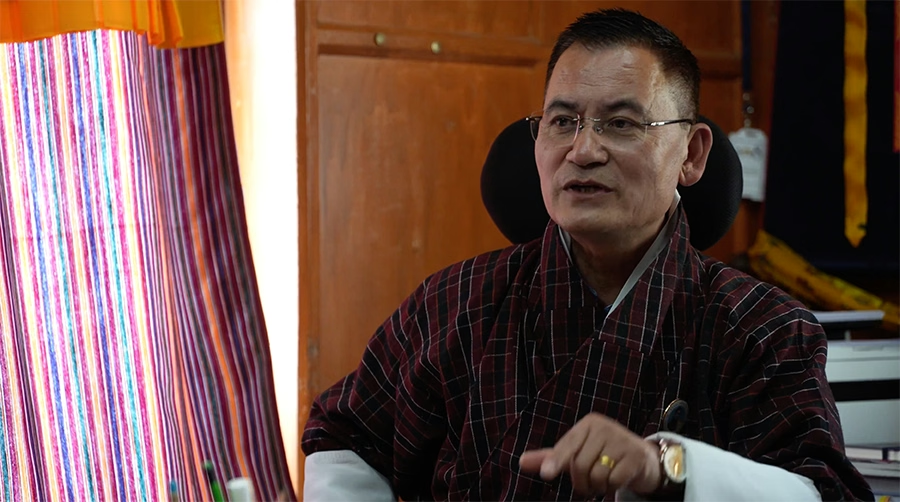
Yesh B. Ghaley, an executive specialist with the Teaching Professionals Council, has outlined the structural framework underpinning this recognition system. The council has established seven distinct standards for teaching professionals, which are strategically organized into four professional levels. This hierarchical structure creates a clear pathway for career progression and professional advancement.
Each professional level has specific expectations regarding which standards teachers must practice and demonstrate. This clarity eliminates ambiguity and provides educators with transparent criteria for advancement. Teachers understand precisely what competencies and practices are expected at each level, enabling them to focus their professional development efforts strategically.
Professional Levels: From Proficient to Distinguished 🌟
The recognition system categorizes teachers into distinct professional tiers:
- Proficient Teachers: Meeting foundational standards and demonstrating competent classroom practice
- Accomplished Teachers: Showing advanced skills and consistent professional development engagement
- Distinguished Teachers: Exemplifying excellence across all assessment components and serving as mentors to peers
- Additional levels: Providing structure for career progression and specialization
These classifications go beyond mere performance ratings. They represent a source of professional pride and community standing. Teachers earning recognition at these levels gain not just titles but genuine professional status within Bhutan's educational community. This distinction elevates teaching as a profession and acknowledges the specialized expertise required for effective education delivery.
Clarifying the Assessment Purpose 🎯
An important distinction must be emphasized: this professional recognition system is not designed to test whether teachers possess the necessary qualifications to teach. Rather, it assesses how effectively they practice their profession and their commitment to ongoing development. Teachers already certified and employed in the system are not being evaluated for basic competency but for professional excellence and growth.
This clarification is crucial for teacher morale and system implementation. The assessment celebrates professional achievement rather than questioning foundational capabilities. By focusing on excellence and continuous improvement, the system creates a positive framework that encourages professional growth rather than generating anxiety about job security.
The Pride Factor: Professionalizing the Teaching Workforce 💪
According to Ghaley, the system's underlying philosophy centers on fostering professional pride. When teachers achieve recognition as proficient, accomplished, or distinguished professionals, they gain a special standing within the professional community. This recognition extends beyond salary considerations—it acknowledges expertise, dedication, and the critical role educators play in national development.
This psychological and professional dimension is particularly significant in contexts where teaching has traditionally been viewed as a standard government position. By creating visible professional distinctions, the system motivates continuous improvement and attracts talented individuals to the teaching profession. Young people considering educational careers will recognize that the profession offers genuine advancement opportunities and professional recognition.
Implementation Timeline and Expectations ⏰
The Teaching Professionals Council anticipates implementing this comprehensive professional recognition system by mid-next year. This timeline provides adequate opportunity for:
- Training assessors and council staff on evaluation protocols
- Communicating the system to all 9,000 teachers nationwide
- Developing digital infrastructure for registration and certification tracking
- Addressing questions and concerns from the teaching community
- Refining procedures based on pilot implementation feedback
Why This System Matters for Bhutan's Education Future 🌍
This professional recognition framework addresses several critical needs within Bhutan's education sector. First, it provides teachers with clear pathways for professional advancement beyond traditional salary increments. Second, it establishes consistent standards for teaching excellence across all schools. Third, it creates incentives for continuous learning and professional development.
The system also positions Bhutan alongside international best practices in teacher professionalization. Many developed nations have implemented similar frameworks recognizing that investing in teacher recognition directly correlates with improved educational outcomes and teacher retention.
What Teachers Need to Know Now 📌
All 9,000 teachers in Bhutan must register with the Teaching Professionals Council as the system launches. Registration involves:
- Submitting professional credentials and teaching experience documentation
- Undergoing the three-component competency assessment
- Receiving professional level classification
- Maintaining registration through ongoing professional development
- Pursuing advancement to higher professional levels
Looking Ahead: A Transformed Teaching Profession ✨
The introduction of this professional recognition system represents a watershed moment for Bhutanese education. By treating teachers as professionals deserving recognition for excellence, the system acknowledges the sophisticated skill set required for effective teaching. This shift in perspective has profound implications for teacher recruitment, retention, and motivation.
As implementation approaches, teachers should view this system not as an additional burden but as an opportunity to gain professional recognition for the expertise they already demonstrate daily. The framework creates a supportive structure for continuous improvement while celebrating teaching excellence. For Bhutan's education sector, this represents a significant step toward ensuring that teaching is recognized as the respected, professional calling it truly is. 🎓
Key Takeaways 🔑
- Nine thousand teachers will register with the new Teaching Professionals Council
- Assessment evaluates classroom practice, professional development engagement, and subject knowledge
- Teachers earn recognition at distinct professional levels: proficient, accomplished, and distinguished
- The system celebrates professional excellence rather than testing basic teaching qualifications
- Implementation is expected by mid-next year, marking a major transformation in how Bhutan recognizes educators
You May Also Like
Education
Teaching Professionals Council Launches to Strengthen Teaching Standards
November 19, 2026
Education
Bhutanese Researcher Wins Outstanding Research Award
November 19, 2026
Education
Existing Teachers Exempt from New Licensing Exam
November 18, 2026
Education
Samthang TTI Expands Training Into Creative Arts
November 18, 2026