Category:
EducationExisting Teachers Exempt from New Licensing Exam
A Major Relief for Bhutan's Teaching Workforce 🎓
Bhutan's education sector has received significant clarification regarding its proposed Teacher Registration System, with the government confirming that currently serving educators will not face mandatory licensing examinations. This announcement marks a pivotal moment in the country's ongoing efforts to professionalize the teaching workforce while maintaining stability within existing educational institutions.
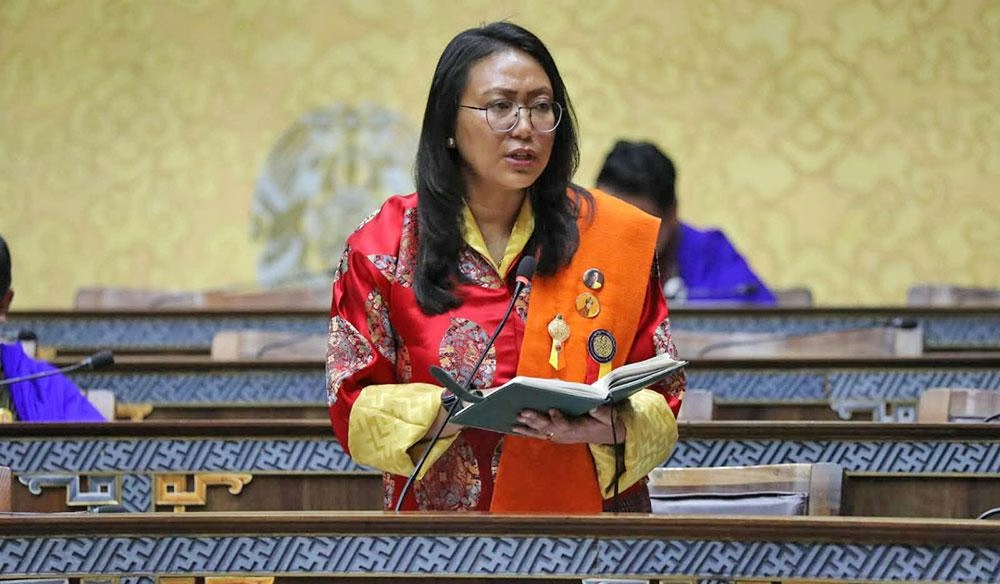
During a recent National Assembly session, Education Minister Yeezang De Thapa addressed mounting concerns from Members of Parliament about how the new teacher registration framework would impact the nation's current teaching professionals. The reassurance comes at a critical time when Bhutan continues to grapple with persistent teacher shortages and workforce attrition challenges.
Understanding the Teacher Registration System Framework 📚
What Is the New System?
The proposed Teacher Registration System represents a comprehensive approach to establishing national standards for professional recognition, competence, and accountability within Bhutan's education sector. Rather than functioning as a punitive measure, the framework builds upon the Bhutan Professional Standards for Teachers (BPST), which were meticulously developed in 2019 to create a unified vision for teaching excellence across the nation.
This system is designed to complement—not replace—the existing teacher preparation infrastructure that has been producing qualified educators through the country's two teacher training colleges located in Paro and Samtse. The distinction is crucial: the registration system enhances professional standards rather than questioning the legitimacy of current teacher education programmes.
How Will Existing Teachers Be Affected? ✨
The government has implemented a thoughtful transition arrangement specifically designed to protect currently serving educators. Under this framework, called Recognition of Prior Professional Placement, existing teachers benefit from graduated protections based on their years of service.
Key protections include:
- Teachers with more than five years of service will be automatically placed at the Proficient Competency Level without requiring additional examinations
- Educators within three years of superannuation are completely exempted from new competency assessments
- Teachers who have completed recognized pre-service programmes will have their qualifications fully recognized without repetition
These provisions represent a significant commitment to protecting the livelihoods and professional dignity of Bhutan's teaching workforce during this transition period.
The Competency Assessment: Breaking New Ground 🔍
Moving Beyond Traditional Examinations
One of the most progressive aspects of the new system is its departure from conventional written licensing examinations. The competency assessment framework focuses on evaluating teachers' professional knowledge, pedagogical skills, actual classroom practices, and professional dispositions—elements that matter most in real educational settings.
This holistic approach recognizes that effective teaching cannot be adequately measured through traditional pen-and-paper tests. Instead, the assessment will examine how teachers demonstrate competence in authentic educational contexts, providing a more accurate picture of their professional capabilities.
Integration with Existing Processes
To minimize additional burden on teachers, the government has committed to integrating the new competency assessments into existing promotion cycles. While detailed methodologies are still under development, this integration strategy reflects genuine concern for teacher workload and professional sustainability.
Addressing National Concerns About Teacher Shortages 🌍
The Context of Recruitment Challenges
Bhutan continues to recruit foreign teachers, particularly in Science, Technology, Engineering, and Mathematics (STEM) subjects. This practice has prompted questions about whether the new registration system might restrict opportunities for qualified Bhutanese graduates or create artificial barriers to employment.
Education Minister Yeezang De Thapa has clarified that foreign recruitment stems from genuine subject-specific and geographic shortages—not from any surplus of qualified Bhutanese teachers. The system is explicitly designed to support, not hinder, the career prospects of Bhutanese educators who meet professional standards.
Resignation Trends and Workforce Stability
Recent Ministry data provides encouraging signals about teacher retention. The number of teacher resignations has demonstrated a positive downward trend over the past four years:
- 2023: 738 teachers resigned
- 2024: 279 teachers resigned
- 2025: 234 teachers resigned
- Current year (through recent period): 169 resignations
This declining trend suggests that concerns about the registration system discouraging teachers from remaining in the profession may be unfounded. The data indicates that Bhutan's teaching workforce is becoming increasingly stable, though challenges undoubtedly remain.
The Broader National Teaching Service Reform 💡
The Teacher Registration System functions as part of a larger, more ambitious reform initiative called the National Teaching Service. This comprehensive reform programme aims to achieve several interconnected objectives:
- Professional Recognition: Establishing clear, nationally recognized standards for teaching excellence
- Differentiated Career Pathways: Creating multiple routes for professional advancement suited to different teacher strengths and aspirations
- Competence-Based Rewards: Linking incentives and recognition to demonstrated professional competence rather than tenure alone
- Accountability Standards: Setting clear expectations for professional conduct and pedagogical effectiveness
Eligibility and Scope Questions 🎯
Who Will Be Covered?
Parliamentary discussions have raised important questions about the system's scope. While the framework initially focuses on graduates of Bhutan's two teacher training colleges, broader eligibility questions remain under consideration.
These include potential pathways for:
- Contract and temporary teachers
- Zhung Dratshang lopens and khenpos (Buddhist clergy educators)
- Professionals from other fields (doctors, engineers, etc.) seeking to teach
The government has indicated that the system's design reflects Bhutan's specific educational context and needs, rather than being simply adapted from international models, though international best practices have certainly informed the framework's development.
The Incentive Structure: Merit-Based Recognition ⭐
Beyond Automatic Placement
An important clarification emerged during parliamentary discussions: placement at the Proficient Competency Level through the Recognition of Prior Professional Placement does not automatically qualify teachers for the Competency-Based Incentive programme.
Instead, incentive eligibility will depend on teachers demonstrating actual competence through prescribed assessments. This merit-based approach ensures that recognition and rewards correlate directly with professional performance and effectiveness in the classroom.
This distinction reflects the government's commitment to rewarding excellence while avoiding the creation of entitlement-based systems that might not incentivize continuous professional improvement.
Parliamentary Perspectives and Ongoing Dialogue 🗣️
Concerns Raised by Legislators
Members of Parliament representing various constituencies have engaged substantively with the registration system proposal, raising critical questions about:
- Whether current teacher education programmes are adequate
- How the system affects teacher retention in a context of existing shortages
- The relationship between the registration system and foreign teacher recruitment patterns
- Potential workload implications for existing educators
- How incentives will be distributed across different teacher categories
These parliamentary inquiries reflect genuine commitment to ensuring that education reforms strengthen rather than undermine Bhutan's teaching profession.
What This Means for Bhutan's Education Future 🚀
Balancing Reform and Stability
The government's approach to the Teacher Registration System demonstrates sophisticated policy-making that balances the need for professional standards with the imperative to maintain workforce stability. By protecting existing teachers while establishing rigorous standards for future entrants and voluntary participants, Bhutan is charting a middle path that respects professional dignity while advancing educational quality.
Research-Informed Development
The system's foundation in the Bhutan Professional Standards for Teachers—developed through dedicated research—ensures that the framework reflects evidence-based understanding of effective teaching practices in Bhutanese contexts. This research-informed approach enhances the system's legitimacy and effectiveness.
Looking Ahead
As implementation details continue to be refined, the government remains committed to transparent communication with educators and stakeholders. The emphasis on building the new system into existing processes rather than creating parallel bureaucratic structures suggests a realistic understanding of teacher capacity and professional sustainability.
Key Takeaways for Bhutan's Teaching Community 📋
The Teacher Registration System represents a significant evolution in how Bhutan recognizes and supports teaching excellence. For current educators, the message is clear: your qualifications will be respected, your service will be recognized, and the transition will be managed thoughtfully.
This framework offers genuine opportunity for professional advancement while maintaining the stability that Bhutan's education system requires. As the nation continues to address teacher shortages and improve educational quality, the registration system stands as an important tool for elevating the teaching profession while honoring those already committed to Bhutanese education.
The path forward emphasizes partnership between government and educators, research-based standards, and practical implementation that respects the realities of classroom life. In this approach, Bhutan demonstrates that educational reform need not be disruptive—it can be purposeful, protective, and progressive all at once.
You May Also Like
Education
Samthang TTI Expands Training Into Creative Arts
November 18, 2026
Education
Teacher Registration System Replaces Licensing in Bhutan
November 18, 2026

Education
Motithang School Golden Jubilee: 50 Years of Excellence
November 14, 2026
Education
Motithang Higher Secondary School Celebrates 50 Years
November 12, 2026