Category:
EducationTeacher Licensing Reform Elevates Standards
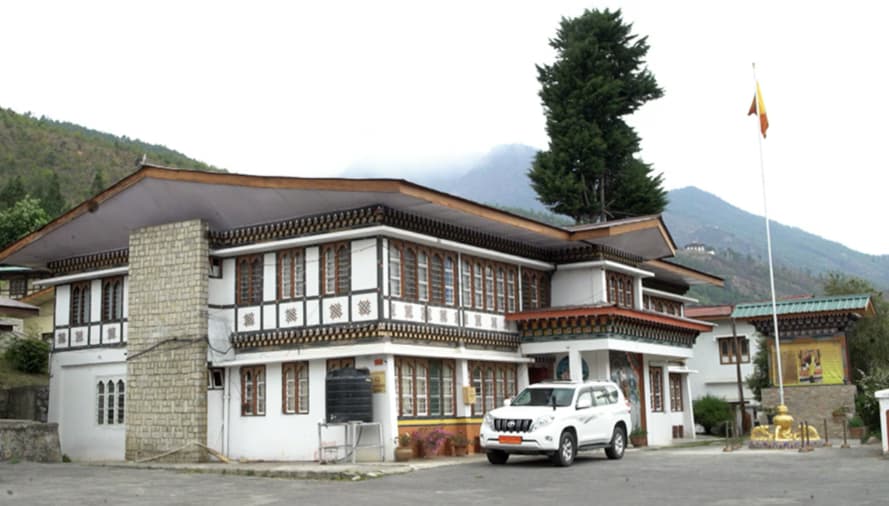
In a groundbreaking move, Bhutan is set to raise the bar for educational quality through a comprehensive teacher licensing reform. The Ministry of Education and Skills Development is spearheading this initiative, aiming to elevate the teaching profession to new heights. 🎓
A New Era in Education
The reform mandates that all educators, including those from teacher training institutes, must obtain a professional teaching license. This initiative is part of a broader effort to enhance educational standards nationwide. By instituting such a measure, Bhutan aspires to ensure that its educators are not just subject experts but also proficient facilitators of learning environments. 🌟
Key Drivers of the Reform
The Teaching Professionals Council of Bhutan, under the Bhutan Qualifications and Professionals Certification Authority (BQPCA), is at the forefront of this transformative effort. A pivotal aspect of the reform is the revision of the Bhutan Professional Standards for Teachers (BPST), which aims to address curriculum, pedagogy, training, and professional development comprehensively.
The Role of the BPST
The updated BPST seeks to prepare educators for the challenges of 21st-century education, equipping them with the skills necessary to nurture and engage modern learners. According to Yeezang De Thapa, the Minister of Education and Skills Development, these standards will ensure that teachers are well-prepared and motivated to deliver quality education. 📚
Professional Certification Framework
A new Teacher Registration and Professional Certification Framework is also underway. This framework is designed to recognize diverse career pathways and enhance the professional credibility of teachers. It emphasizes continuous professional development, ensuring that educators remain current and effective in their roles.
Addressing Concerns and Clarifications
The announcement has generated significant discussion on social media platforms. Concerns have been raised about the necessity of a separate teaching license for graduates with existing educational qualifications. Additionally, questions about the licensing process and the recognition of prior teaching experience have been prominent. The ministry assures that these reforms are aimed at fostering competence and accountability among teachers, ultimately benefiting the educational system.
Statistical Insights
According to the Annual Education Statistics, Bhutan boasts over 10,000 teachers. This reform is a significant step toward professionalizing the teaching workforce and ensuring high standards across the board. 🔍
What Lies Ahead
While the reform is a positive development, several details, such as the timeline and implementation specifics, remain to be clarified. The ministry is expected to release further updates as they progress with these reforms. The transition to this new system will undoubtedly require careful planning and execution.
Conclusion
The teacher licensing reform represents a monumental shift in Bhutan's educational landscape. By elevating the standards for teaching professionals, Bhutan is investing in the future of its students and the nation as a whole. This initiative promises to create a more motivated, accountable, and future-ready teaching workforce, dedicated to delivering quality education. 🎉
Stay tuned for more updates as Bhutan embarks on this exciting journey towards educational excellence.
You May Also Like
Education
Local Produce Connects Gongthung Farms and School
September 21, 2026
Education
Two Students Transform Library System Into Digital Solution
September 16, 2026
Education
Strengthening School Support for Students Unable to Afford Tuition
September 13, 2026
Education
Student Citizen Journalism: Breaking Silence on Bullying
September 12, 2026