Category:
EnvironmentStrengthen Warning Systems to Save Lives, Cut Losses
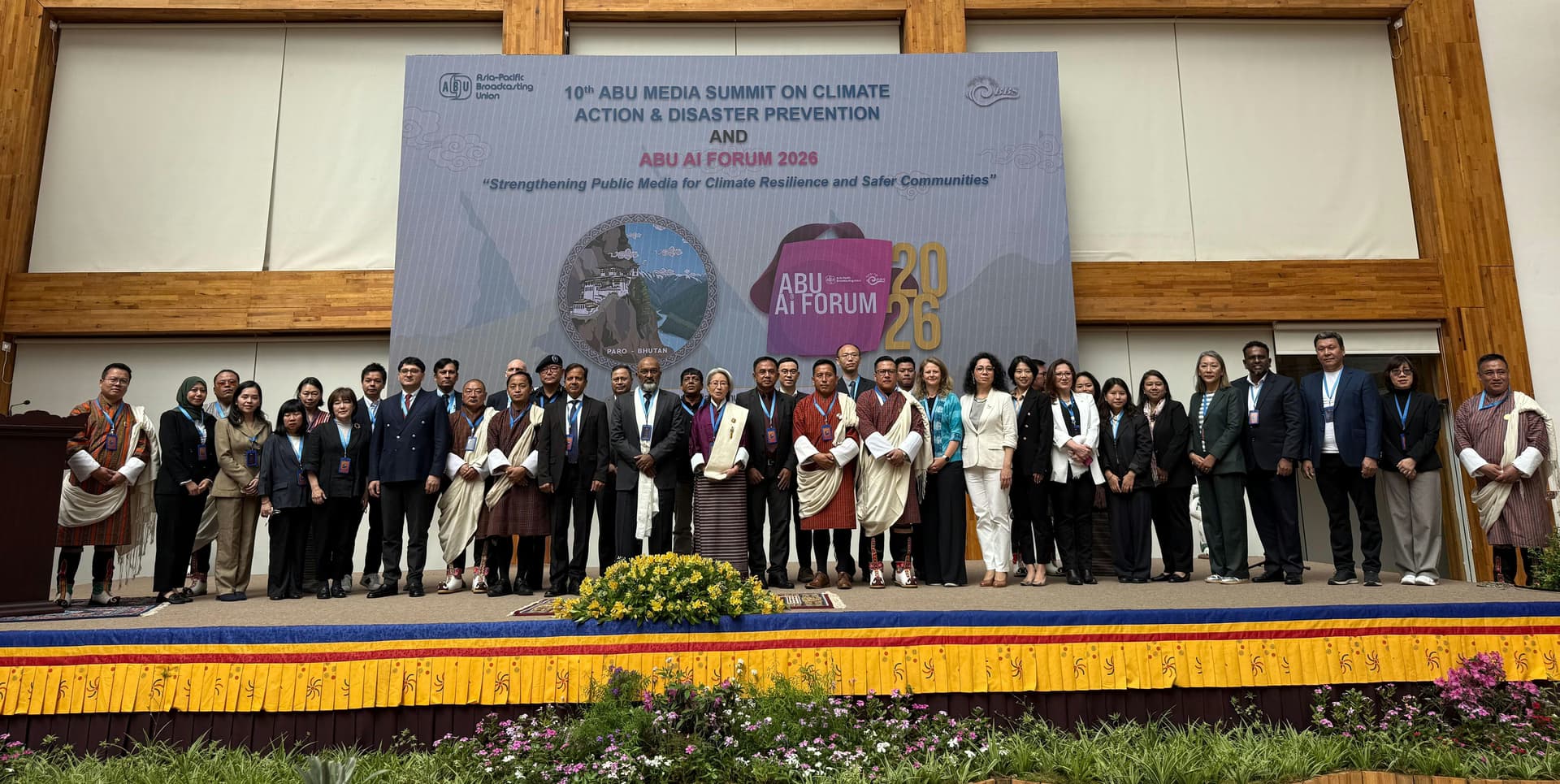
In an era where climate change is no longer a distant threat but a present reality, strengthening early warning systems is emerging as a crucial strategy to safeguard communities and reduce disaster losses. 🌍💡
The Cost-Effectiveness of Early Warning Systems
Investing in early warning systems has proven to be financially prudent. For every dollar spent on these systems, up to fifteen dollars can be saved in reduced disaster impacts. Moreover, even a short 24-hour notice can mitigate disaster-related damage by up to 30%. Such statistics were highlighted at the 10th Media Summit on Climate Action and Disaster Prevention held in Paro, Bhutan. 📉💰
Bhutan's Rising Climate Challenges
Bhutan, known for its rich biodiversity and cultural heritage, is facing increased climate-related challenges. Between 2021 and 2026, the nation experienced five major climate-related events, resulting in the tragic loss of over 40 lives and significant damage to infrastructure and assets. Bhutan's unique geography, including 567 glacial lakes with 17 deemed potentially dangerous, underscores the urgency for effective early warning systems.
Local Governance and Disaster Management Initiatives
To combat these growing threats, Bhutan's Department of Local Governance and Disaster Management (DLG&DM) has been proactive. They have implemented Climate Vulnerability Assessments (CVA) and the CARE-LG program to map multi-hazards and vulnerabilities. This strategic approach helps prioritize budget allocations and enhance local government capacities in climate adaptation and disaster response. 🌱
Training First Responders
Over 1,200 local government leaders, who often serve as the first line of defense during disasters, have been trained in disaster management techniques. This capacity building is vital for effective response and recovery in the face of climate-induced disasters.
The Role of Media in Climate Communication
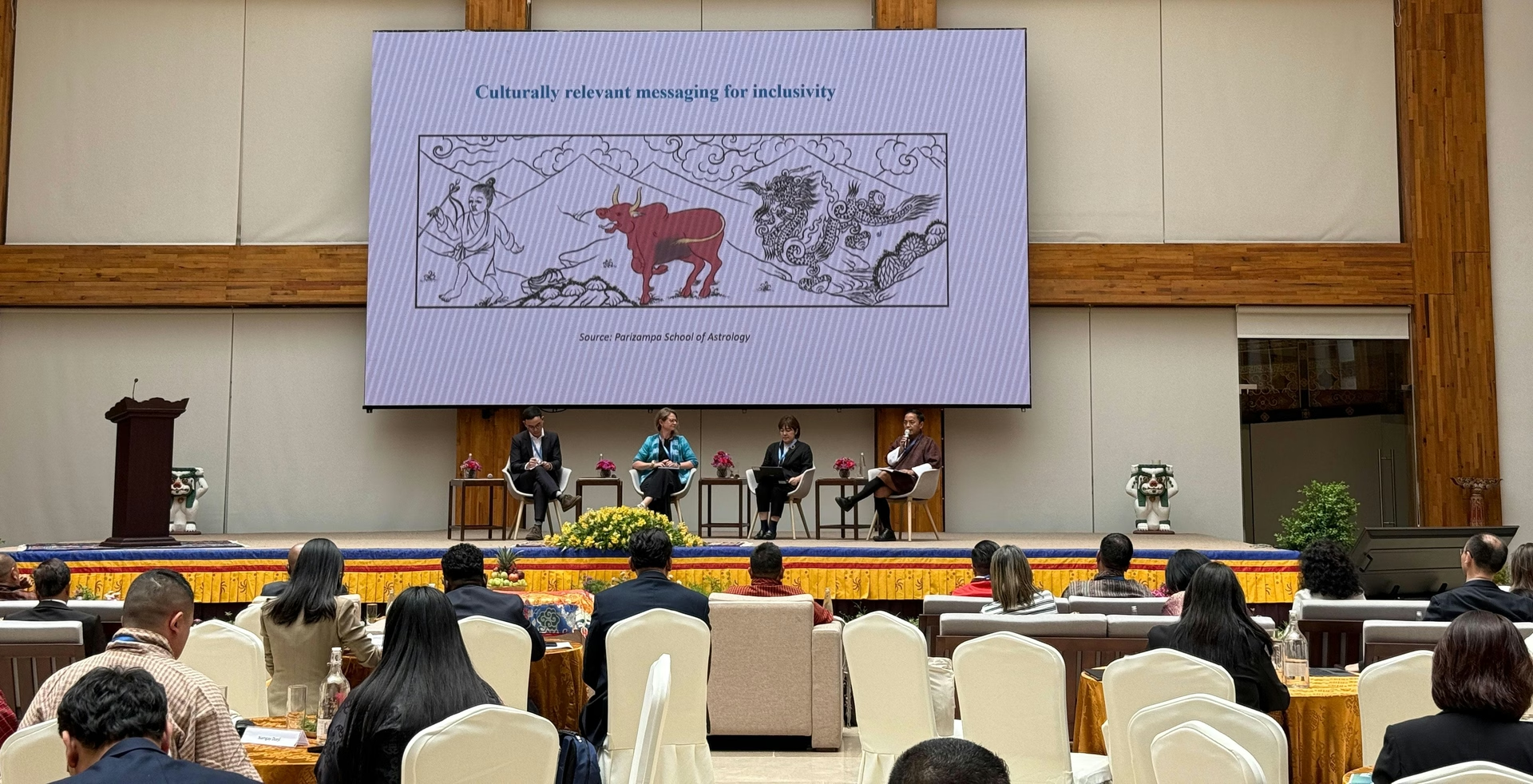
Experts at the summit emphasized the media's critical role in not just reporting disasters but also educating the public on preparedness. Effective climate communication must bridge the gap between scientific information and local experiences, ensuring advisories are not only understandable but also actionable. 📰
Addressing the Global Adaptation Financing Gap
Giulio Fabris from the UNDP pointed out the global adaptation financing gap, projected to reach USD 365 billion per year by 2035. This stark contrast to the current USD 26 billion in international public finance highlights the need for increased scrutiny and transparency in climate finance.
Bridging the Gap with Localized Climate Information
Shobhana Pradhan from BBC Media Action stressed the importance of making climate science accessible to all, advocating for weather bulletins in local dialects and real-time dissemination. This ensures that climate information is not only available but also useful to those who need it most. 🌐
Conclusion: A Call to Action
As the summit's theme "From Awareness to Action" suggests, there is a pressing need for intelligent media to foster climate resilience. Stronger inter-agency coordination, timely public preparedness, and effective communication are key to achieving a safer future. The ongoing collaboration between media, policymakers, and communities will be vital in addressing these challenges and ensuring that early warning systems are robust and effective. 🌟
In conclusion, as climate threats continue to rise, investing in and strengthening early warning systems is not just an option but a necessity. By doing so, Bhutan and other nations can better protect lives, reduce economic losses, and pave the way towards a more resilient future.
You May Also Like
Environment
Climate Crisis in the Himalayas: Bhutan's Cold Reminder
August 29, 2026

Environment
WBH Conservation Project Delivers Clean Water to Rural Homes
August 29, 2026
Environment
HKH Climate Crisis: Why Regional Unity Matters Now
August 29, 2026
Environment
Bhutan's Solar Power Revolution: Energy Security Strategy
August 26, 2026