Category:
NewsSMCL Revives Eroded Paddy Field in Samdrupjongkhar
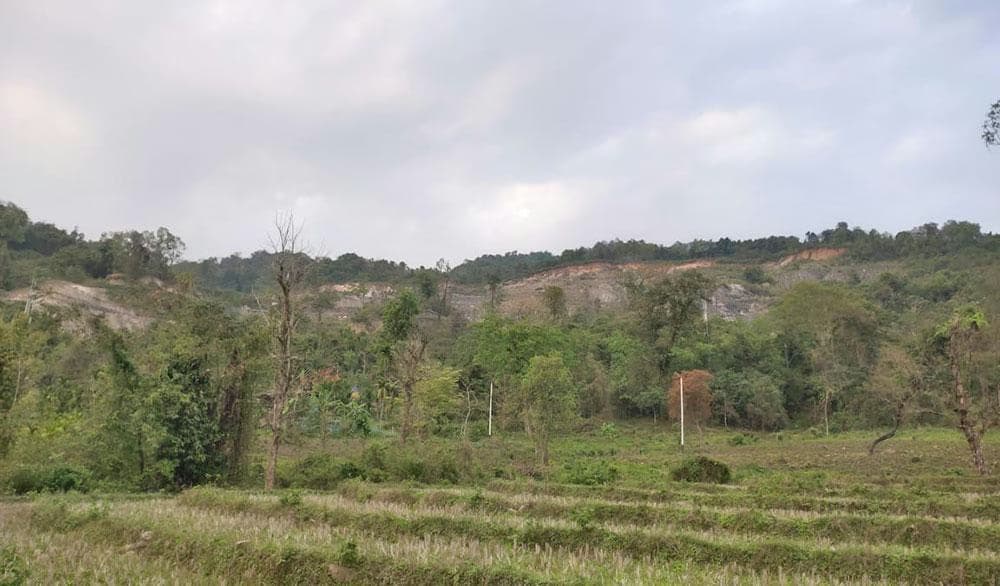
A Vital Restoration in Samdrupjongkhar 🌾
In a significant move to address environmental challenges, the State Mining Corporation Limited (SMCL) has successfully restored a paddy field in Phuntshothang Gewog, Samdrupjongkhar. This restoration was necessitated by damage caused by mine-related erosion, which had disrupted local agriculture. This effort not only showcases SMCL's commitment to environmental stewardship but also highlights the broader challenges faced by mining communities.
The Erosion Challenge 🌧️
The problem began when mining activities altered the natural flow of a nearby stream, leading to benching erosion. This caused significant damage to the paddy field owned by Sonam Tashi, a local farmer. Erosion and flooding risks were exacerbated, threatening agricultural productivity in the region.
Community Collaboration 🤝
Faced with the daunting task of restoring his field, Sonam Tashi sought help from local authorities. On September 19, 2025, he petitioned the Gup of Phuntshothang Gewog, initiating a collaborative response involving the gewog administration, SMCL, and forestry officials. This joint effort underscores the importance of community collaboration in addressing environmental issues.
Restoration Efforts 🌱
SMCL took swift action to restore the damaged field, deploying machinery to fill the eroded areas with stones and constructing a five-foot water boundary wall. This was crucial in preventing further damage and redirecting water flow to alternative channels. The use of heavy machinery and local coordination ensured that the restoration was both effective and timely.
- Filling Eroded Areas: Stones were used to reinforce the field.
- Water Boundary Wall: A five-foot wall was constructed to protect the field.
- Alternative Channeling: Water flow was diverted to prevent future erosion.
The Role of Local Leaders 🌟
Local leaders played a vital role in coordinating the restoration efforts. Their involvement ensured that the work was completed successfully, allowing Sonam Tashi to plan for cultivation this season. This success story highlights the importance of local leadership in environmental restoration projects.
Environmental and Economic Impacts 🌍💼
The restoration of the paddy field is not just an environmental success but also an economic boon for the local community. Agriculture remains a critical component of Bhutan's economy, and restoring arable land supports local livelihoods. However, the incident also raises broader concerns about the environmental impact of mining activities.
Addressing Broader Concerns ⚠️
Residents in mining-affected areas, such as Samdrupjongkhar, have voiced concerns about the rising water levels in riverbeds due to mining debris. These conditions increase flood risks during the monsoon, highlighting the need for ongoing vigilance and sustainable mining practices.
A Step Towards Sustainable Mining 🏞️
SMCL's proactive approach in restoring the paddy field sets a precedent for sustainable mining practices. By addressing the environmental consequences of their activities, they contribute to a more balanced relationship between industry and ecology.
Looking Ahead 🚀
Moving forward, it is crucial for mining companies to adopt practices that minimize environmental impact. This includes regular monitoring and collaboration with local communities to address issues promptly. As Bhutan continues to develop its mining sector, such initiatives will be key to ensuring sustainable growth.
Conclusion: A Win for Community and Environment 🎉
The restoration of the paddy field in Samdrupjongkhar is a testament to the power of collaboration and responsible corporate practices. It offers a hopeful example of how communities and corporations can work together to solve environmental challenges, ensuring a sustainable future for all.
In conclusion, the successful restoration by SMCL not only revives agricultural productivity but also fosters trust and cooperation among stakeholders. This achievement serves as a reminder of the importance of sustainable practices in preserving Bhutan's natural beauty and supporting its communities.
You May Also Like
News
Gelephu Prepares for 40,300 Vehicles Ahead of Project 108
October 21, 2026
News
Third Child Plus Programme Disburses Nu 186M to 6,510 Children
October 21, 2026
News
German-Bhutan Society Backs Gelephu Mindfulness City
October 21, 2026
News
Himalayan Yak Network Launches at Royal Highland Festival
October 21, 2026