Category:
NewsShared Responsibility: A National Call
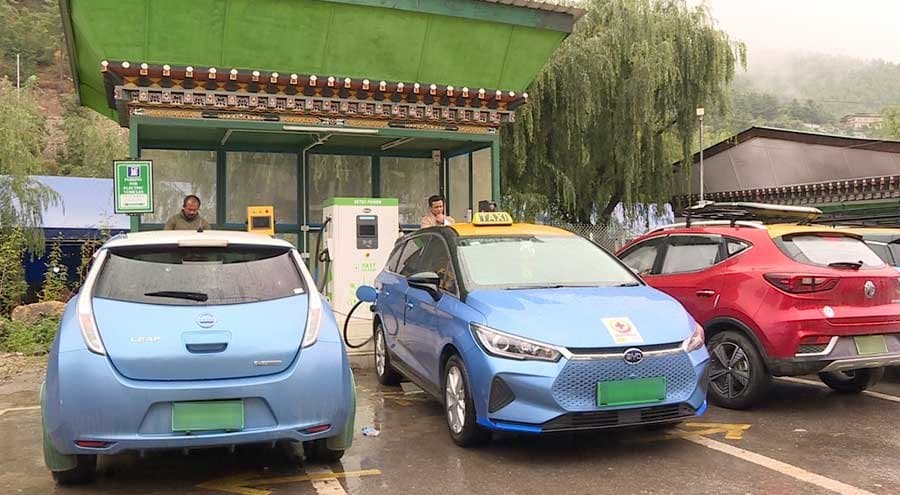
In the face of escalating fuel prices and ongoing supply uncertainties, Bhutan is embracing a pivotal call for shared responsibility. The government’s directive to judiciously manage scarce public resources, particularly fossil fuels, marks a significant step towards sustainability and economic resilience.
The Fuel Dilemma: A Global and Local Perspective 🌍
As a landlocked nation heavily reliant on imported fossil fuels, Bhutan confronts unique challenges. Any disruption or price surge in fuel impacts the broader economy, driving up costs for essential goods and services. Globally, tensions in fuel-producing regions exacerbate these issues, making prudent resource management crucial.
Historical Context and Current Trends 📈
Historically, Bhutan has faced similar challenges with its reliance on imports. The COVID-19 pandemic underscored the importance of self-sufficiency and resilience. Now, as fuel prices rise, the nation is once again called to adapt.
Recent global shifts toward renewable energy and electric vehicles (EVs) offer a pathway forward. Bhutan's export of clean energy presents a unique opportunity to pivot towards sustainable alternatives, aligning with global environmental goals.
Innovative Responses: Bhutan's Strategic Moves 🚶♂️
The government's initiative encourages citizens to adopt practical measures such as walking to work, remote working, and virtual meetings. These strategies not only conserve fuel but also promote public health and reduce urban congestion.
Walking and Working Remotely: Double Benefits 🏃♀️
Walking to work, particularly for those living within an hour's radius, is seen as a viable solution. It offers health benefits and conserves fuel. However, logistical challenges, such as school drop-offs, require innovative solutions.
The education ministry's consideration of flexible school timings is a promising approach. By adjusting start times, both parents and children can potentially walk to school, fostering a culture of physical activity and sustainability.
Embracing Electric Vehicles: The Road Ahead 🚗🔌
The directive also highlights the potential of electric vehicles. Bhutan's clean energy resources make EVs a logical choice, reducing dependency on fossil fuels and aligning with national sustainability goals.
Opportunities for EV Expansion ⚡
To promote EV adoption, the government could offer incentives such as cheaper loans, subsidies, and extensive charging infrastructure. These measures would encourage a shift away from internal combustion engines, easing the fuel burden.
Rethinking Urban Planning: A Vision for the Future 🏙️
This fuel crisis presents an opportunity for Bhutan to reconsider its urban planning strategies. The capital's development plan once aimed for a clean, green, and livable city. Revisiting and updating this vision can address current challenges and future-proof Bhutan's infrastructure.
Making Cities Pedestrian-Friendly 🚴♂️
Urban planners should focus on creating pedestrian-friendly environments. Investing in infrastructure that supports walking and cycling can transform daily commutes, reduce congestion, and promote healthier lifestyles.
Conclusion: A Lesson in Resilience and Innovation 🌟
The current fuel challenges serve as a reminder of the importance of adaptability and foresight. Bhutan's proactive approach in encouraging shared responsibility and exploring sustainable alternatives sets a precedent for future crises.
As Bhutan navigates these uncertainties, the collective efforts of its citizens, policymakers, and industries will shape a resilient and sustainable future. The lessons learned today will guide tomorrow's strategies, ensuring that Bhutan not only survives but thrives in the face of adversity.
You May Also Like
News
Women Entrepreneurs Master AI and Digital Tools in Phuentsholing
September 1, 2026
News
Can Samtse Keep Up With Its Growing Workforce?
August 29, 2026
News
Nepal Flood Exposes Critical Gaps in Bhutan's Early Warning Systems
August 29, 2026
News
High Court Overturns Acquittal: Doctor Sentenced to 10 Years for Child Sexual Abuse
August 29, 2026