Category:
NewsSecuring Bhutan's Future Through Child Development
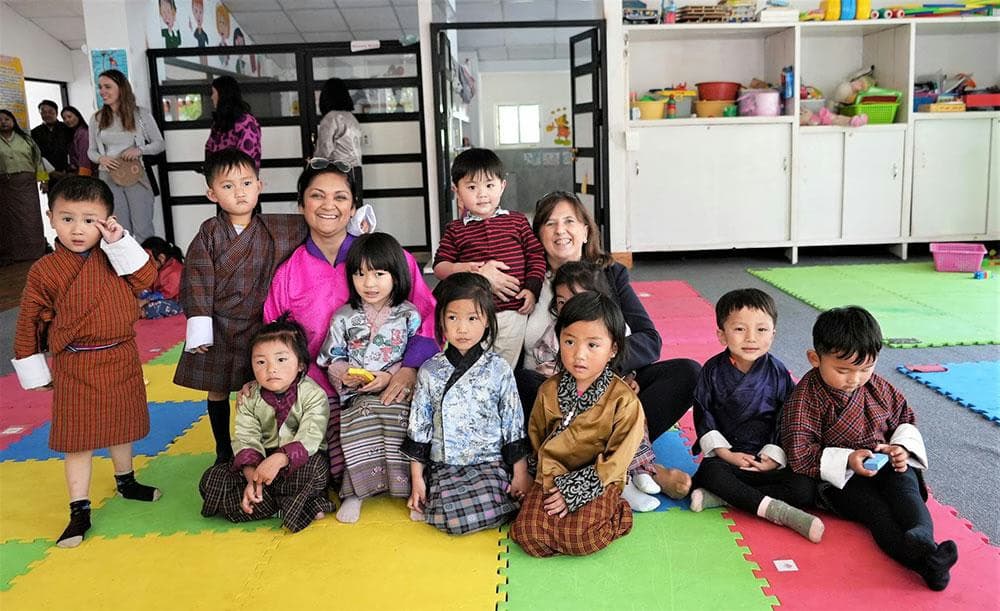
A Vision for Bhutan's Youth 🌟
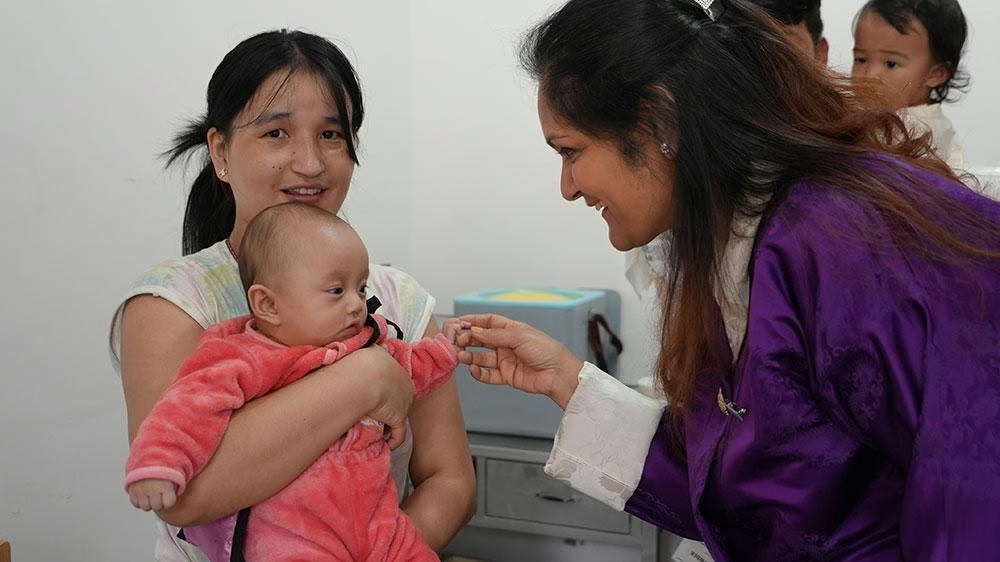
Bhutan, a country renowned for its commitment to Gross National Happiness, recognizes that the future lies in its children. The well-being and development of the younger generation are pivotal not only for sustaining progress but also for ensuring that the nation thrives amid rapid global changes.
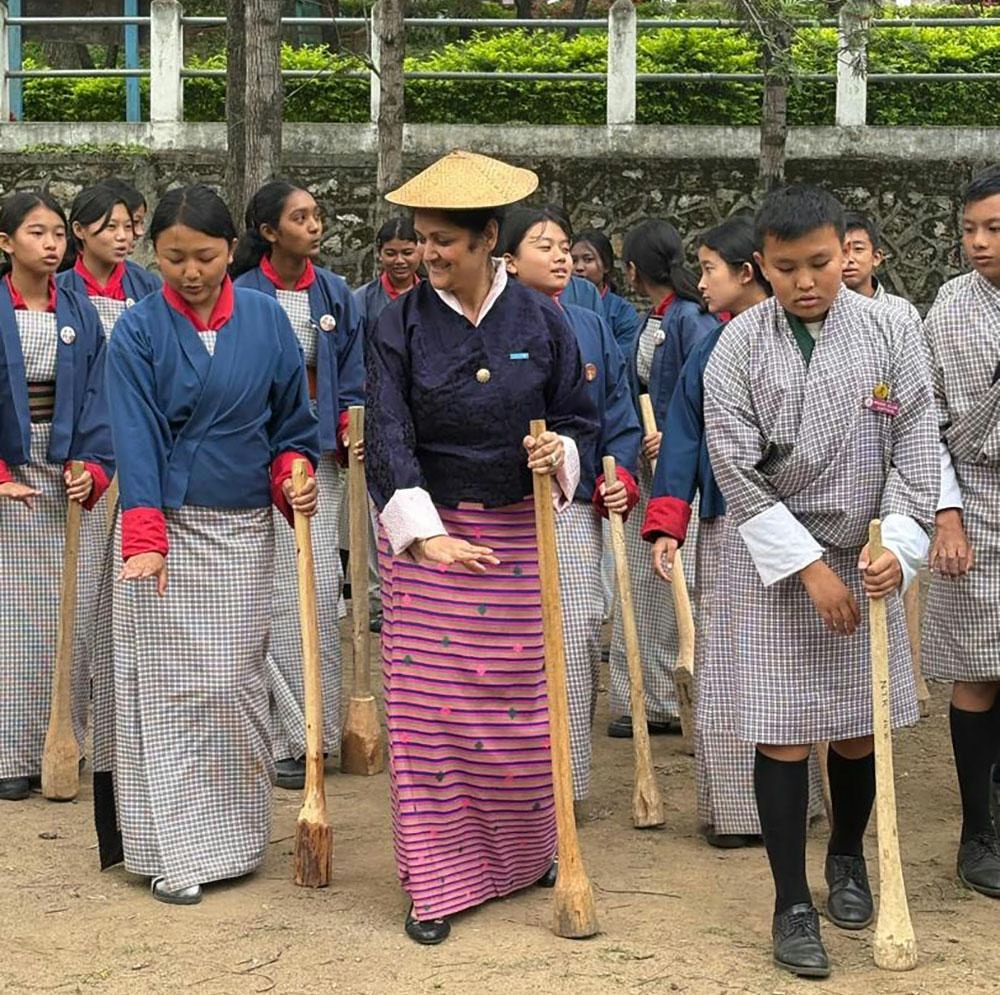
Achievements and Challenges in Child Welfare
Over the past year, UNICEF, in collaboration with the Bhutanese government, has made significant strides in enhancing child health and education. These efforts, however, are shadowed by challenges that require sustained attention and innovative solutions.
Key achievements include:
- Advancements in Environmental Health: Bhutan has been at the forefront of addressing childhood lead exposure and the complexities of malnutrition.
- Digital Learning Opportunities: The expansion of digital education has been a game-changer, providing children with access to global knowledge and skills.
Despite these advancements, Bhutan faces hurdles in implementation, demanding adaptive systems in health, education, and social protection.
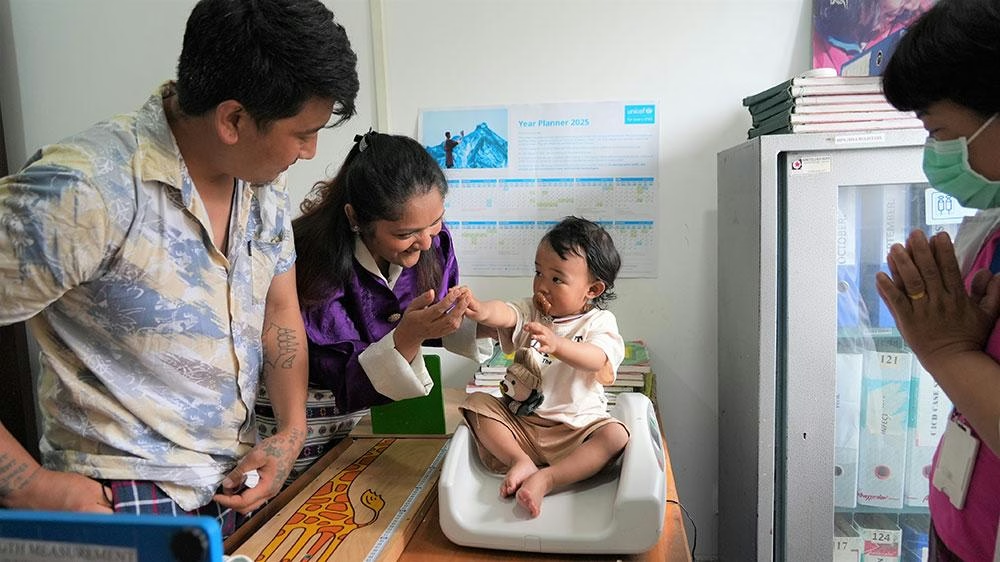
Overcoming Malnutrition 💪
Bhutan is grappling with a triple burden of malnutrition, which includes undernutrition, micronutrient deficiencies, and an alarming rise in childhood obesity. To combat these issues, Bhutan has introduced the 'Nourishing Bhutan Framework for Action'.
This initiative focuses on:
- Transforming Food Systems: Ensuring better nutrition outcomes through sustainable practices.
- Community-Level Solutions: Empowering local health workers and schools to promote healthy lifestyles.
UNICEF's Childcare Advisory Package also plays a crucial role, emphasizing the significance of nutrition in caregiving.
Embracing Early Childhood Development (ECD) 🌱
Early Childhood Care and Development is a cornerstone of Bhutan's educational policy. However, the shift in social dynamics due to outmigration has posed new challenges.
To address this, Bhutan is exploring home-based ECD models that bring learning directly to households, particularly in remote areas. This approach not only bridges the gap caused by geographical isolation but also ensures that early education is accessible to all.
Addressing Disparities in Remote Areas
Despite Bhutan's impressive national indicators, children in remote regions often lag behind. These communities face unique challenges, including limited access to education and healthcare.
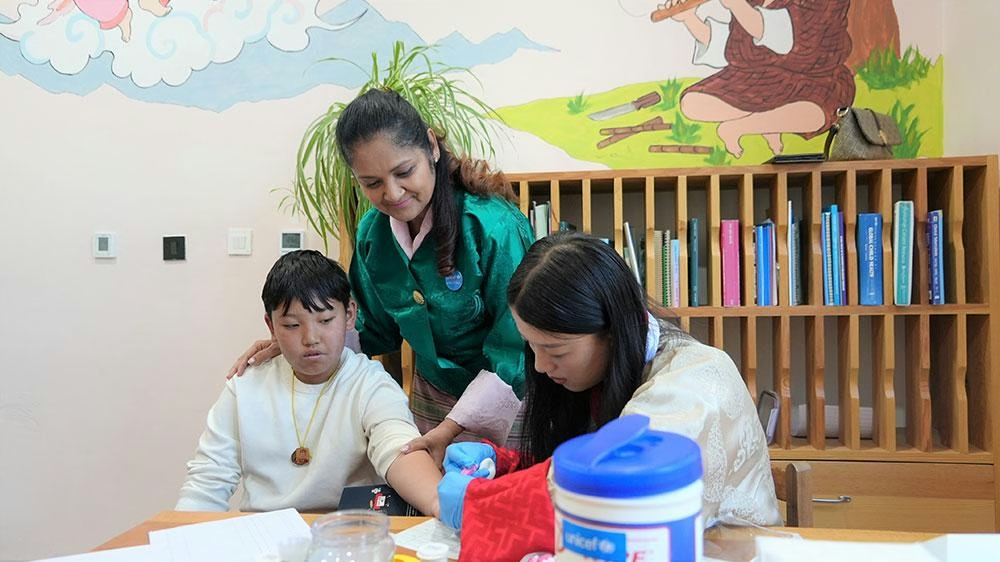
Strengthening data systems is vital to addressing these disparities. Accurate data allows for targeted interventions, ensuring resources are allocated where they are most needed.
Mental Health: An Emerging Concern 🧠
Globally, mental health issues among children and adolescents are on the rise, and Bhutan is no exception. Addressing these concerns requires a multi-faceted approach that includes:
- Enhancing Mental Health Services: Providing accessible and comprehensive care.
- Raising Awareness: Educating communities about the importance of mental health.
Conclusion: A Path Forward
Bhutan's dedication to its youth is commendable, yet sustaining progress requires continued effort. The focus must remain on inclusive policies, adaptive systems, and targeted interventions. By prioritizing the well-being of its children, Bhutan not only secures a brighter future but also sets a benchmark for other nations.
Moving forward, it is imperative to foster environments where every child has the opportunity to thrive, ensuring that no one is left behind in the pursuit of national happiness.
You May Also Like
News
Women Entrepreneurs Master AI and Digital Tools in Phuentsholing
September 1, 2026
News
Can Samtse Keep Up With Its Growing Workforce?
August 29, 2026
News
Nepal Flood Exposes Critical Gaps in Bhutan's Early Warning Systems
August 29, 2026
News
High Court Overturns Acquittal: Doctor Sentenced to 10 Years for Child Sexual Abuse
August 29, 2026