Category:
EconomyRMA Penalizes BDBL for Compliance Lapses in ESP Lending
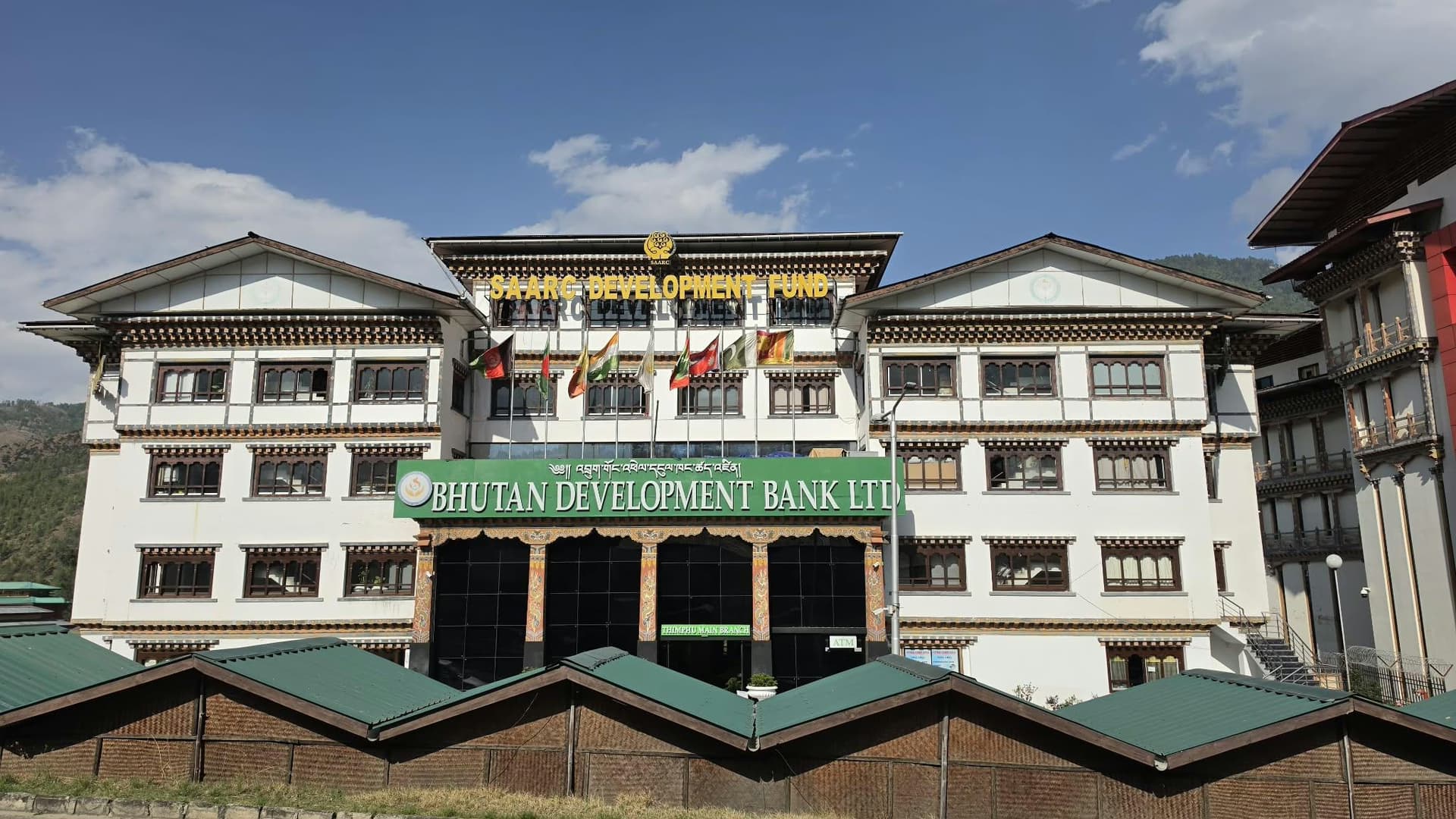
The Royal Monetary Authority (RMA) of Bhutan has recently imposed a hefty penalty of Nu 1.7 million on the Bhutan Development Bank Limited (BDBL) for several compliance gaps in its Economic Stimulus Programme (ESP) lending. This move underscores the importance of adhering to stringent regulatory standards in the financial sector. 🌟
A Closer Look at the Compliance Gaps
The RMA's review, prompted by the Anti-Corruption Commission's request, unveiled significant discrepancies in BDBL's handling of concessional credit lines. Of the 149 applications for medium-scale projects, only 37, amounting to Nu 1.91 billion, received approval. This approval rate highlights the rigorous scrutiny applied to each application. 🔍
Key Findings
The investigation revealed several critical issues:
- Exclusion of Interest During Gestation (IDG): BDBL failed to include IDG in project cost calculations, leading to projects breaching the Nu 100 million cap. The RMA has mandated adjustments to align with Bhutan Accounting Standards.
- Mismatch in Loan Tenures: Inconsistencies were found between land lease periods and loan terms. This discrepancy could have significant financial implications if not addressed.
- Documentation Deficiencies: Errors and incomplete records were noted in 13 loan accounts, indicating a need for improved internal controls.
- Weak Project Monitoring: Insufficient site inspections and lack of technical expertise raised concerns about the adequacy of project oversight.
Impact on Financial Practices
These findings have sparked a broader conversation about financial compliance and risk management. In today's complex economic landscape, adherence to regulatory frameworks is more critical than ever. The RMA's actions serve as a cautionary tale for financial institutions across Bhutan, emphasizing the need for robust audit trails and thorough project monitoring. 📊
Broader Industry Trends
The financial sector in Bhutan is evolving, with increasing emphasis on transparency and accountability. The centralization of the ESP credit line under BDBL in December 2024, due to high rejection rates from other institutions, reflects a strategic shift in financial governance. However, this concentration of responsibility has highlighted existing weaknesses in appraisal systems. 🏦
Lessons and Future Directions
The RMA's directive for BDBL to rectify identified lapses by April 30, 2026, and establish an independent inspection team by May 31, 2026, underscores the critical path forward. This proactive approach aims to enhance the bank's compliance framework and prevent future discrepancies.
Potential Repercussions
The imposed penalty not only serves as a financial deterrent but also impacts the bank's reputation. Stakeholders and investors are likely to scrutinize BDBL's future operations more closely, necessitating a transparent and accountable approach in all financial dealings. 🔐
Conclusion: A Call for Enhanced Compliance
The RMA's decision to penalize BDBL is a timely reminder of the importance of compliance in the financial sector. As Bhutan continues to develop its economy, ensuring that financial institutions operate within established guidelines is paramount. The lessons learned from this incident should inspire a renewed commitment to excellence in financial governance, paving the way for a more robust and resilient economic future. 🌟
Key takeaways include the necessity for improved internal controls, regular project monitoring, and adherence to regulatory standards. These measures will not only safeguard financial institutions but also contribute to the overall stability and growth of Bhutan's economy.
You May Also Like

Economy
BCCI Elects New Leadership Team to Drive Business Growth
October 15, 2026

Economy
Indian Banks Slow to Adopt Bhutanese UPI Payments
October 12, 2026
Economy
Government Addresses 400+ Business Issues to Boost Economy
October 10, 2026
Economy
Bhutan's Bold Vision: Two USD 50M Enterprises by 2030
September 27, 2026