Category:
EconomyGST Amendment Impact on Imported Goods in Bhutan
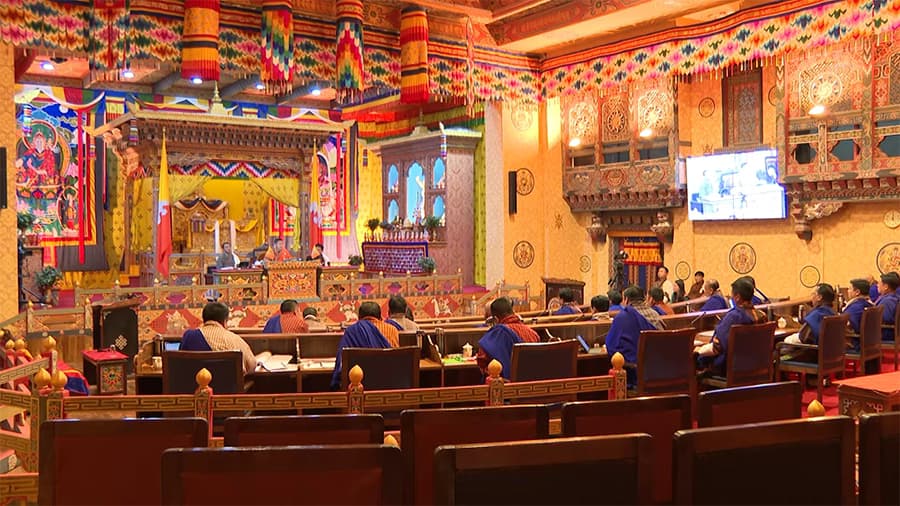
As Bhutan navigates its economic landscape, the recent discussions around the Goods and Services Tax (GST) Amendment Bill 2026 have stirred significant interest. The proposed changes aim to exempt essential goods from GST, sparking questions on its origins and implications for previously imported goods. 🎬
Understanding the GST Amendment Proposal
The GST Amendment Bill 2026 proposes the exemption of 32 essential items from tax, expanding upon the nine items already exempted under the existing law. This move is designed to make essential products more affordable and provide equitable economic benefits to citizens. However, the amendment process has raised questions among National Council members regarding its inception. 🌟
Origins of the Amendment
One pivotal question is who initiated the amendment. Was it a government initiative, a response to public demand, or a parliamentary push? According to Kencho Tshering, Chairperson of the Good Governance Committee, the amendment was submitted by Members of Parliament following public concerns. This demonstrates the democratic process at play, where citizen voices influence legislative changes. 💫
Implications for Imported Goods
As Bhutan seeks clarity on the GST Amendment, a significant concern is the impact on goods already imported under the current tax regime. The Finance Minister assured that adjustments would be made for such goods, ensuring businesses are not unfairly taxed twice. However, the exact mechanisms for these adjustments remain to be clarified, leaving room for uncertainty among stakeholders. 🔍
Business Concerns and Recommendations
Members of the National Council have raised pertinent questions regarding the need for clear guidelines on handling already-taxed stock. Suggestions include introducing a new sub-clause to provide explicit rules or a government tax refund for businesses that have already paid GST on imported goods. These recommendations have been forwarded to the Good Governance Committee for further review. 🔥
Broader Economic Impact
The introduction of GST in January marked a significant shift from the previous sales tax system. This transition reflects Bhutan's efforts to streamline its tax system and enhance economic transparency. However, any amendment to this system must be carefully considered to avoid market disruptions and ensure fair treatment of businesses and consumers alike. 🌐
Trends in Taxation and Economic Policy
Globally, many countries are revisiting their tax structures to adapt to changing economic conditions. Bhutan's proposed GST amendments align with this trend, highlighting the government’s focus on economic inclusivity and affordability. By exempting essential goods, Bhutan aims to cushion its population from inflationary pressures, a common concern in today's global economy. 📈
Looking Forward
The Good Governance Committee is set to present its findings and recommendations on the GST Amendment to the National Council. This decision will have lasting implications on Bhutan's economic framework and the affordability of essential goods for its citizens. Stakeholders and observers are keenly awaiting the outcome, which promises to shape Bhutan's fiscal policy in the coming years. ✨
In conclusion, while the GST Amendment Bill 2026 seeks to bring positive changes, its execution will require careful planning and clear communication to ensure it meets its intended objectives without unintended consequences. As Bhutan continues to refine its economic policies, the involvement of the public and transparent governmental processes will be crucial in achieving sustainable economic growth. 🌟
You May Also Like

Economy
Indian Banks Slow to Adopt Bhutanese UPI Payments
October 12, 2026
Economy
Government Addresses 400+ Business Issues to Boost Economy
October 10, 2026
Economy
Bhutan's Bold Vision: Two USD 50M Enterprises by 2030
September 27, 2026

Economy
Mega Dry Port in Pasakha: Bhutan's Trade Revolution
September 25, 2026