Category:
EconomyFiscal Deficit Debate Stalls Assembly Budget Talks
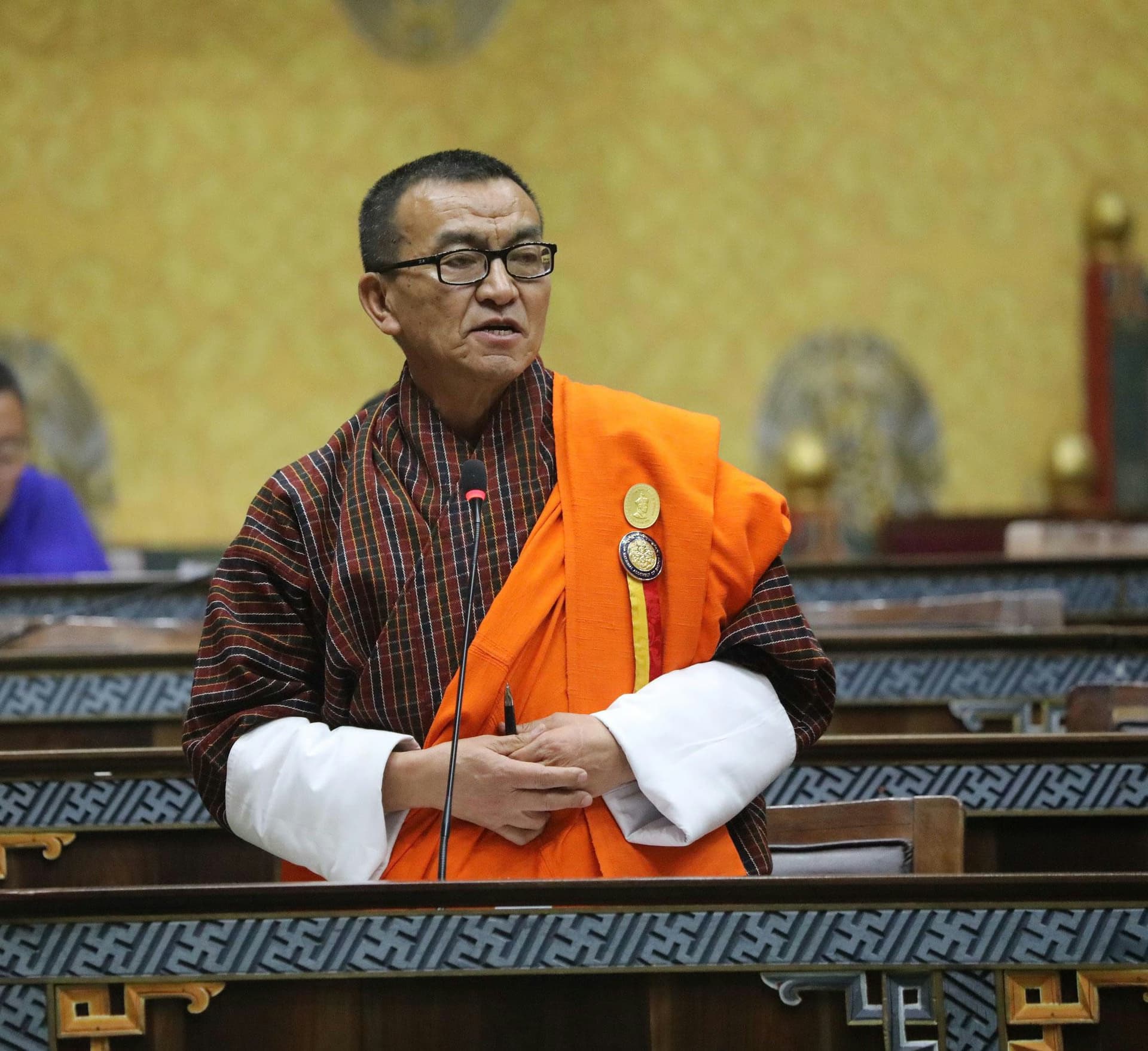
In a dramatic turn of events, the National Assembly's budget deliberation for the fiscal year 2026–27 has hit a roadblock due to a contentious fiscal deficit proposal. 📉 The disagreement centers around the government's suggested fiscal deficit of 6.54% of GDP, which exceeds the assembly's previously agreed target of below 5%. This impasse highlights the ongoing tension between fiscal responsibility and necessary economic stimulation.
The Fiscal Conundrum 🏛️
The Economic and Finance Committee (EFC) and the Ministry of Finance are at odds over how to manage the fiscal deficit. The EFC recommends slashing the deficit to 4% of GDP, urging prioritization of high-return projects and deferring non-essential expenditures. This approach aims to mitigate potential inflationary pressures and ensure financial stability.
Historical Context and Economic Implications 🌍
Historically, Bhutan has aimed for a fiscal deficit below 5% to maintain economic stability. However, the proposed 6.54% deficit, equating to Nu 25.28 billion, raises concerns about increased borrowing and its impact on the private sector. With planned domestic borrowing at Nu 23.5 billion, there are fears of crowding out private credit, particularly when liquidity is already constrained.
Economic Growth vs. Inflation 📈
Bhutan's GDP growth has been encouraging, yet inflationary pressures persist. MP Loday Tsheten expressed concerns that a high deficit might exacerbate inflation despite positive economic growth. Balancing growth with inflation control is crucial to maintaining economic health.
Proposed Solutions and Recommendations 💡
The EFC has laid out a series of recommendations to address these challenges:
- Rationalize Expenditure: Focus on projects with high economic returns.
- Boost Domestic Production: Strengthen food security and supply chains.
- Reduce Import Dependency: Encourage local industries and enhance productivity.
- Enhance GST Implementation: Ensure a smooth transition to minimize inflationary impacts.
Fiscal Policy and Investment Strategy 📊
Finance Minister Lekey Dorji defended the proposed deficit, arguing that the third year of the 13th Five-Year Plan is critical for public investment. He emphasized that cutting the deficit to 3% would necessitate significant budget reductions, potentially affecting essential programs.
The Role of Public Investment 🏗️
With private sector investment capacity limited, the government sees public investment as vital to sustaining economic momentum. Deputy Speaker Sangay Khandu cautioned against reducing the deficit too drastically, highlighting the importance of continued investment to bolster GDP.
Looking Forward: Strategic Economic Planning 🔮
The National Assembly faces a challenging decision: balancing fiscal prudence with the need for economic growth. The outcome of these deliberations will have significant implications for Bhutan's economic trajectory.
Conclusion and Future Outlook 🔍
The fiscal deficit debate in Bhutan's National Assembly underscores a broader economic challenge—balancing growth with fiscal responsibility. As the assembly continues its deliberations, the focus will remain on finding a viable path forward that supports sustainable economic development while maintaining financial stability. The resolution of this debate will set the tone for Bhutan's fiscal policy in the coming years, with potential impacts on inflation, growth, and public investment strategies.
Stakeholders and policymakers will need to collaborate closely to navigate these complex issues, ensuring that Bhutan's economic future remains bright. 🌟
You May Also Like

Economy
Indian Banks Slow to Adopt Bhutanese UPI Payments
October 12, 2026
Economy
Government Addresses 400+ Business Issues to Boost Economy
October 10, 2026
Economy
Bhutan's Bold Vision: Two USD 50M Enterprises by 2030
September 27, 2026
Economy
Mega Dry Port in Pasakha: Bhutan's Trade Revolution
September 25, 2026