Category:
PoliticsRising Parental Divorce Threatens Child Welfare in Bhutan
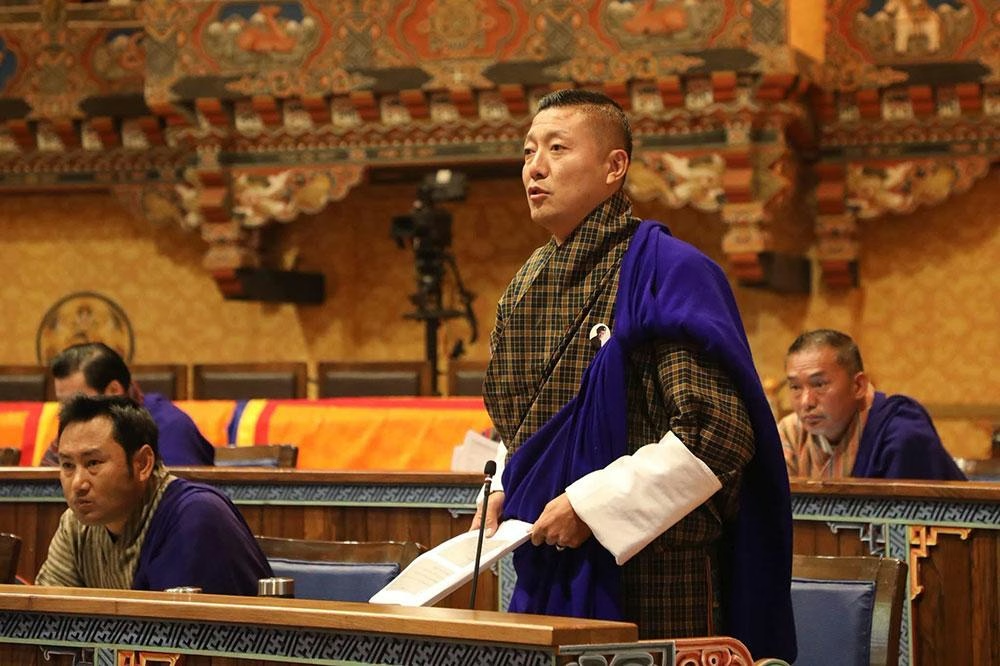
The Growing Crisis: Divorce and Its Impact on Children 🚨
Bhutan is witnessing an alarming trend that demands immediate legislative attention. The number of dissolved marriages has climbed significantly over the past five years, creating a cascading effect on the nation's most vulnerable population—children. As family structures evolve and social pressures mount, policymakers are grappling with a critical question: How can the legal system better protect children caught in the aftermath of marital breakdown?
The statistics paint a sobering picture. Divorce rates have surged from 14,289 recorded cases in 2017 to 16,399 by 2022, according to the Bhutan Living Standards Survey. This upward trajectory reflects broader societal shifts, yet the consequences extend far beyond legal documents—they ripple through classrooms, homes, and the emotional landscape of an entire generation.
Understanding the Root Causes 💔
What drives couples to dissolve their marriages? Recent parliamentary consultations have identified five primary factors contributing to this phenomenon:
- Extramarital relationships and infidelity breaches of trust
- Significant wealth disparities between spouses creating financial tension
- Substance abuse including alcohol and tobacco use
- Social interference from friends and family members
- Domestic violence and relationship breakdown
These interconnected factors reveal that divorce rarely stems from a single cause. Instead, it emerges from a complex web of personal, economic, and social pressures that accumulate over time. Understanding these drivers is essential for crafting effective preventative policies and support systems.
The Educational Crisis: Dropouts and Broken Homes 📚
One of the most troubling consequences of rising divorce rates manifests in school systems across the nation. Parliamentary representatives have raised serious concerns about the correlation between parental divorce and student attrition. Children from dissolved marriages represent a disproportionately large segment of school dropouts, suggesting that marital breakdown creates educational instability.
When parents separate, the logistical challenges compound. Transportation becomes complicated, emotional distress affects concentration, and financial constraints may force difficult choices about educational continuity. The loss of educational opportunity during formative years can have lifetime consequences, limiting career prospects and perpetuating cycles of economic disadvantage.
Legislators argue convincingly that both parents must shoulder financial responsibility for their children's education regardless of marital status. This principle recognizes a fundamental truth: a child's right to education should not depend on whether their parents remain married.
The Inadequacy of Current Child Support Mechanisms 💰
Bhutan's existing child maintenance system, known as sothue, was designed to provide basic financial support following separation. However, the framework has become dangerously outdated. The fixed monthly payment of Nu 750—applied uniformly to unemployed parents and farmers—was calculated based on 20 percent of the national minimum daily wage of Nu 125 over 30 days.
This calculation methodology reveals a fundamental disconnect from current economic realities. Consider this stark reality: a single package of diapers costs approximately Nu 950, nearly double the entire monthly support payment. Groceries, healthcare, school supplies, and transportation expenses far exceed this meager allocation.
Parliamentarians have pointed out that inflation and rising living costs have dramatically eroded the purchasing power of this fixed rate. What once might have covered essential needs now barely addresses a fraction of a child's actual expenses. This inadequacy places custodial parents—often mothers—in impossible positions, forcing them to choose between meeting their child's nutritional needs and other basic requirements.
Emotional and Developmental Consequences 🧠
Beyond the immediate financial struggles, research demonstrates that children experiencing parental divorce face multifaceted challenges:
Emotional and Behavioral Impact:
- Increased anxiety and emotional distress
- Behavioral problems and adjustment difficulties
- Heightened vulnerability to peer pressure and substance abuse
Academic Performance:
- Declining grades and academic engagement
- Increased absenteeism and school avoidance
- Long-term educational achievement gaps
Economic Vulnerability:
- Exposure to financial insecurity and poverty
- Limited access to enrichment opportunities
- Reduced social mobility prospects
While research indicates that most children eventually adjust to new family structures, the transition period creates significant psychological strain. The uncertainty about their future, combined with financial instability, can undermine their sense of security during critical developmental stages.
The Marriage Amendment Bill 2026: Proposed Reforms ⚖️
Recognizing these challenges, Bhutan's National Council has been deliberating on the Marriage (Amendment) Bill 2026, which represents a comprehensive effort to modernize family law while prioritizing child welfare. The proposed amendments build upon the existing Marriage Act of Bhutan 1980 while introducing critical reforms.
Key provisions under consideration include:
- Simplified marriage certificate procedures reducing bureaucratic barriers
- Revised compensation frameworks for adultery cases
- Enhanced financial obligations clearly delineating parental responsibilities during and after divorce
- Strengthened child support mechanisms reflecting current economic realities
- Education cost-sharing provisions ensuring children's schooling continues uninterrupted
The Natural Resources and Environment Committee chair emphasized that these deliberations must balance the interests of present and future generations while acknowledging changing social realities. The law must evolve to reflect contemporary family structures and economic conditions.
Custody and Parental Fitness Assessments 👨👩👧👦
Another critical reform focuses on custody provisions, known locally as thob-lam. Current legislation requires enhancement to better assess parental fitness, particularly in cases involving substance abuse or domestic violence. Lawmakers argue that custody determinations must prioritize the child's safety and well-being above all other considerations.
This includes:
- Comprehensive evaluation of each parent's capacity to provide care
- Assessment of substance abuse patterns and their impact on parenting ability
- Documentation of any domestic violence history
- Consideration of the child's established relationships and preferences
- Regular review mechanisms to ensure arrangements remain appropriate
These provisions acknowledge that marital dissolution does not eliminate parental responsibility—it merely transforms the structure within which that responsibility must be exercised.
The Debate Over Financial Responsibility 🤔
Interesting tensions have emerged during parliamentary deliberations regarding which parent bears primary financial responsibility following divorce. Some legislators have questioned whether the burden should rest equally on both parents or whether it should depend on which spouse initiated the separation.
This debate reflects deeper questions about fairness, gender dynamics, and the purpose of family law. While some argue that initiating divorce should carry financial consequences, others contend that children's welfare transcends such considerations—both parents remain financially responsible regardless of who dissolved the marriage.
The consensus appears to be moving toward shared responsibility, recognizing that children should not become financial pawns in parental disputes. This principle protects vulnerable dependents from becoming casualties of adult conflict.
De Facto Marriages and Legal Recognition 📋
Parliamentary discussions have also addressed the phenomenon of de facto marriages—informal unions not formally recognized under Bhutanese law. While such arrangements exist in practice, they remain legally unrecognized, creating vulnerabilities for children born into these relationships.
Concerns have been raised about the misuse of informal marriage arrangements to facilitate marriages of convenience designed primarily for overseas migration. Without legal recognition, children born to de facto couples lack clear legal protections and inheritance rights, creating additional vulnerability.
Reformers argue that the legal framework must acknowledge social realities while establishing safeguards against exploitation. This requires careful calibration to recognize genuine informal unions while preventing fraudulent arrangements.
Marriage Certificate Limitations and Policy Rationale 📜
One proposed policy measure involves capping the official issuance of marriage certificates (Nyentham) at three per individual. Eminent Member Ugyen Tshering clarified that this limitation aims to minimize problematic marriage patterns without infringing on fundamental rights—individuals retain the legal right to marry multiple times, but official certification would be limited.
This approach attempts to balance individual autonomy with societal concerns about serial marriage patterns that may reflect deeper relationship dysfunction or exploitation. The rationale suggests that while people retain marriage rights, the state need not facilitate unlimited official documentation of successive unions.
Looking Forward: Comprehensive Reform Agenda 🔮
The Marriage Amendment Bill 2026 represents more than technical legislative revision—it signals a fundamental commitment to centering child welfare in family law policy. By updating support payment mechanisms, clarifying parental financial obligations, and enhancing custody assessment procedures, Bhutan's lawmakers are attempting to create a legal framework that acknowledges contemporary realities while protecting the nation's most vulnerable members.
The path forward requires sustained commitment to implementation, adequate resource allocation for enforcement, and ongoing monitoring of outcomes. Success will be measured not merely by legislative passage but by tangible improvements in children's educational access, emotional security, and economic stability.
As Bhutan navigates these complex policy questions, one principle remains constant: children should never bear the consequences of adult relationship failures. Through thoughtful, evidence-based reform, the nation can ensure that marital dissolution, while personally difficult, need not derail a child's fundamental right to education, security, and opportunity. 🌟
You May Also Like
Politics
Tobacco Regulation in Bhutan: Balancing Public Health and Enforcement
November 25, 2026
Politics
Bhutan Tightens Tobacco Controls Amid Surging Import Crisis
November 25, 2026

Politics
National Assembly Backs Child Protection Reforms
November 21, 2026
Politics
PM Unveils Comprehensive Job Creation Strategy
November 21, 2026