Category:
PoliticsBhutan Tightens Tobacco Controls Amid Surging Import Crisis
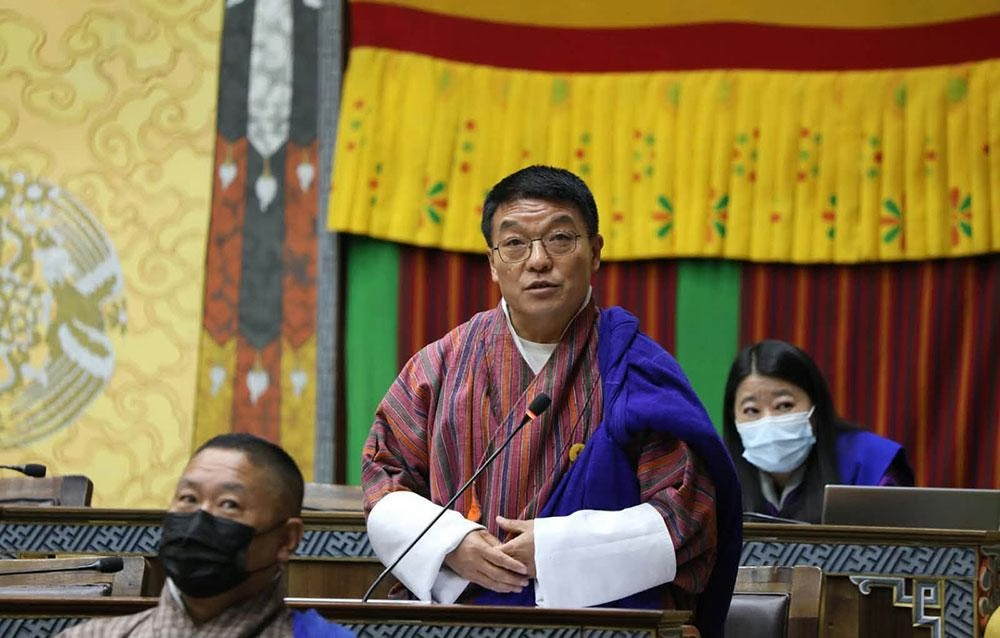
A Nation at a Crossroads: Understanding Bhutan's Tobacco Policy Shift 🚭
Bhutan stands at a critical juncture in its approach to tobacco regulation. Once known for maintaining one of the world's strictest anti-smoking policies, the nation is now grappling with the consequences of its 2021 decision to legalize domestic tobacco sales. The National Assembly's recent push to strengthen tobacco controls signals growing concerns about the unintended consequences of deregulation and the rapid proliferation of emerging nicotine products that have caught regulators off-guard.
The urgency of legislative action has intensified following alarming trade data that reveals the magnitude of the tobacco market explosion. Understanding this policy evolution requires examining both the historical context and the current challenges facing lawmakers and health officials.
The Dramatic Surge in Tobacco and Vaping Imports 📊
The statistics tell a compelling story of market transformation. In 2025 alone, Bhutan imported over 448,000 electronic cigarettes and vaping devices, representing a 54% increase from the 290,555 units recorded just one year earlier. This explosive growth in vaping products mirrors an equally troubling surge in traditional cigarette imports.
Cigarette stick imports have skyrocketed to 204.3 million units in 2025, nearly doubling from 107.4 million sticks in 2023. India remains the primary source, accounting for 141.8 million cigarette sticks, while an additional 62.5 million units originate from other countries. The vaping device imports show a similar pattern, with India supplying only 1,616 units while 446,470 devices arrive from international sources.
These figures represent far more than abstract numbers—they indicate a fundamental shift in the nation's tobacco consumption landscape and the challenges facing enforcement agencies tasked with regulation.
From Prohibition to Regulation: A Policy Reversal 🔄
Bhutan's relationship with tobacco has undergone dramatic transformation over two decades. The country implemented a nationwide tobacco sales ban on December 17, 2004, becoming one of the few nations globally to adopt such stringent prohibition measures. Citizens could only import limited quantities for personal consumption, while any commercial tobacco activity remained strictly forbidden.
The 2010 Tobacco Control Act reinforced this prohibition while establishing smoke-free zones and regulating personal imports. Subsequent amendments in 2012 and 2014 refined enforcement mechanisms and penalty structures, yet illegal cross-border smuggling persisted despite the ban.
The pivotal moment arrived in 2021 when Parliament fundamentally reversed course. Facing mounting concerns about illegal tobacco trafficking across the southern border—particularly during the COVID-19 pandemic when smuggling networks flourished—lawmakers opted for legalization with regulation rather than continued prohibition. This represented a philosophical shift from eliminating the tobacco market to managing it through government oversight.
The Regulatory Framework Crisis 🚨
The transition from prohibition to regulation has exposed significant gaps in Bhutan's legislative framework. The existing Tobacco Control Act, while comprehensive for its time, fails to adequately address emerging nicotine delivery systems that have proliferated since 2021.
Key regulatory deficiencies include:
- Absence of clear frameworks for vaping devices, e-cigarettes, electronic nicotine delivery systems, heated tobacco products, and synthetic nicotine
- Insufficient protections preventing sales to minors with unclear statutory provisions
- Lack of product standards governing nicotine content, additives, and safety information
- Weak enforcement mechanisms with fragmented responsibilities among implementing agencies
- Inadequate penalties that fail to deter violations
- Ambiguous smoke-free provisions creating confusion about public health protections
These gaps have allowed the rapid proliferation of vaping products, which appeal particularly to younger demographics. National Health Survey data from 2023 reveals that among current smokers aged 15 to 24, approximately 20.2% reported using e-cigarettes or vapes—a concerning trend that reflects the appeal of these emerging products to youth populations.
Legislative Response: The Tobacco Control Amendment Bill 2026 ⚖️
Recognizing the urgent need for modernization, the National Assembly has advanced the Tobacco Control (Amendment) Bill 2026, which represents the most comprehensive regulatory overhaul since the 2021 legalization. The Social and Cultural Committee presented 66 amendments, including 23 repealed sections and 11 entirely new provisions designed to address contemporary challenges.
The Committee conducted extensive consultations with stakeholder agencies including the Bhutan Food and Drug Authority, Royal Bhutan Police, Department of Revenue and Customs, and local authorities in Phuentsholing, Samdrupjongkhar, and Paro. These field consultations provided frontline insights into enforcement challenges and the actual availability of tobacco and vaping products in communities.
Key Provisions Under Consideration
The proposed amendments seek to accomplish several critical objectives:
Protecting Minors: Establishing explicit statutory prohibitions on tobacco sales to individuals under 18 years old, with enhanced enforcement mechanisms
Regulating Emerging Products: Creating clear regulatory frameworks for vaping devices, e-cigarettes, and novel nicotine delivery systems that currently operate in legal gray areas
Product Safety Standards: Implementing requirements for nicotine content disclosure, additive regulations, and mandatory safety information
Strengthening Penalties: Increasing fines and enforcement consequences to deter violations and illegal distribution
Improving Coordination: Establishing clearer delineation of responsibilities among implementing agencies to eliminate enforcement gaps
Protecting Public Health: Clarifying and strengthening smoke-free provisions to reduce second-hand smoke exposure
The Flavored Tobacco Ban: A Compromise Emerges 🚭
One of the most significant legislative decisions came when the National Assembly endorsed a comprehensive ban on flavored tobacco products, including flavored vapes and e-cigarettes. This move reflects growing recognition that flavor additives serve primarily to attract younger consumers and mask the harsh characteristics of nicotine products.
However, the Assembly rejected a proposed blanket prohibition on all vaping and e-cigarettes, instead opting for a regulatory approach that permits these products while establishing quality and safety standards. This represents a middle ground between public health advocates seeking total elimination and those arguing for consumer choice within a regulated framework.
The decision reveals ongoing debate among lawmakers regarding the appropriate balance between regulation and prohibition. Some legislators argue that outright bans simply drive consumption underground, while others contend that any legalization normalizes nicotine use among youth populations.
The Youth Tobacco Crisis: A Demographic Concern 👥
Underlying the legislative urgency is alarming data about tobacco use among young Bhutanese. The 2023 National Health Survey found that 31.4% of people aged 15 to 69 were current users of some form of tobacco, while 14.4% identified as current smokers. Among younger smokers aged 15 to 24, vaping adoption rates reached 20.2%—suggesting that emerging nicotine products are capturing market share among youth populations.
This demographic pattern mirrors global trends where e-cigarettes and vaping devices are marketed with youth-appealing flavors and marketing strategies. The National Council's Youth and Substance Abuse Report specifically highlighted concerns about emerging nicotine products among young people, providing crucial evidence that informed the 2026 Amendment Bill.
Unresolved Questions: Penalties and Enforcement 🤔
Despite progress on substantive regulatory issues, the National Assembly has directed its Social and Cultural Committee to resolve outstanding disagreements regarding the chapter on offences and penalties. This delay reflects broader questions about how stringently Bhutan should enforce tobacco regulations and what consequences should deter violations.
The penalty framework remains critical because weak enforcement has historically undermined tobacco control efforts. During the prohibition era, lenient penalties failed to prevent smuggling networks. Similarly, current enforcement gaps have allowed rapid market expansion despite regulatory concerns.
The Broader Policy Question: Can Regulation Work? 🎯
At the heart of Bhutan's tobacco debate lies a fundamental policy question: Can a nation effectively regulate a tobacco market once it chooses legalization? The evidence from other countries proves mixed. Some nations have successfully implemented regulated markets with strong enforcement and comprehensive regulations. Others have seen legalization lead to expanded consumption and market growth that outpaces regulatory capacity.
Bhutan's experience since 2021 suggests that transitioning from prohibition to regulation requires significantly enhanced regulatory infrastructure, enforcement capacity, and inter-agency coordination. The import surge indicates that market forces have moved faster than regulatory frameworks can accommodate.
International Context and Best Practices 🌍
Bhutan can learn from other nations' tobacco regulation experiences. Countries like Australia, Canada, and several European nations have implemented sophisticated regulatory frameworks combining legalization with strict product standards, marketing restrictions, and age-verification requirements. These models demonstrate that regulation can succeed when paired with adequate enforcement resources and political commitment.
Conversely, nations that legalized tobacco without establishing robust regulatory frameworks have experienced rapid market expansion and increased consumption, particularly among youth populations. The distinction between successful and unsuccessful regulation often hinges on implementation capacity rather than legislative intent.
What Happens Next: The Path Forward 📋
The National Assembly's work on the 2026 Amendment Bill will likely conclude once the Social and Cultural Committee resolves penalty framework disagreements. The amended legislation should then proceed to a full vote, potentially establishing Bhutan's regulatory framework for the next decade.
Successful implementation will require:
- Adequate funding for enforcement agencies and regulatory bodies
- Coordinated inter-agency efforts with clear responsibility delineation
- Public education campaigns about tobacco health risks and emerging products
- Regular monitoring of import data and market trends
- Youth-focused prevention initiatives addressing vaping appeal
- Border security enhancements to prevent smuggling of prohibited products
Conclusion: Balancing Public Health and Market Realities 💡
Bhutan's legislative efforts to tighten tobacco controls reflect a mature recognition that legalization without robust regulation creates public health risks. The 2026 Amendment Bill represents an opportunity to establish modern regulatory frameworks addressing contemporary challenges that simply didn't exist during the prohibition era.
The nation's experience demonstrates that policy reversals—moving from prohibition to regulation—require equally rigorous regulatory infrastructure to succeed. The surge in tobacco and vaping imports serves as a wake-up call that market forces move rapidly when legalization occurs, demanding swift and comprehensive legislative response.
As the National Assembly finalizes the amendment bill, lawmakers face the critical challenge of crafting penalties sufficient to deter violations while establishing enforcement mechanisms capable of managing a substantially larger legal market. The decisions made in coming weeks will shape Bhutan's tobacco landscape for years to come, with significant implications for public health, youth protection, and the nation's broader regulatory capacity. 🔮
You May Also Like
Politics
Tobacco Regulation in Bhutan: Balancing Public Health and Enforcement
November 25, 2026

Politics
Rising Parental Divorce Threatens Child Welfare in Bhutan
November 25, 2026

Politics
National Assembly Backs Child Protection Reforms
November 21, 2026

Politics
PM Unveils Comprehensive Job Creation Strategy
November 21, 2026