Category:
PoliticsPM Unveils Comprehensive Job Creation Strategy
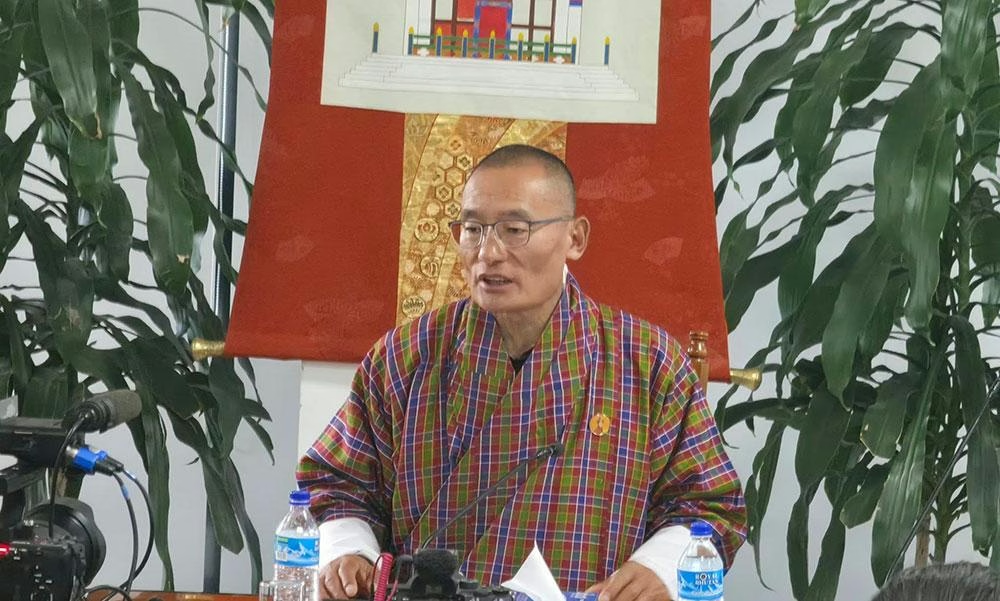
Bhutan stands at a pivotal moment in its economic development journey. 🌍 The government has recently articulated an ambitious vision to transform the nation's employment landscape, prioritizing sustainable job creation and encouraging diaspora Bhutanese to return home and contribute to national growth.
Economic Strengthening Through Strategic Investment 💼
The macroeconomic indicators paint an encouraging picture of Bhutan's financial trajectory. Foreign currency reserves have surged dramatically from USD 603 million in January 2024 to USD 1.5 billion as of mid-November, demonstrating significant economic stabilization. This remarkable growth reflects improved fiscal management and increased investor confidence in the kingdom's economic prospects.
The government's strategic approach centers on attracting foreign direct investment (FDI) as a primary engine for sustainable employment generation. To date, 152 FDI projects have received government approval, with 83 already operational and generating 5,930 jobs. The remaining projects are expected to create an additional 3,315 employment opportunities once they become fully functional.
Investment Pipeline and Economic Diversification 🚀
The investment pipeline reveals substantial opportunities across critical sectors. FDI proposals valued at Nu 450 billion have been submitted for hydropower development initiatives, positioning renewable energy as a cornerstone of future economic expansion. Solar energy projects have attracted more than Nu 10 billion in proposed investments, underscoring global interest in Bhutan's clean energy transition.
Recognizing that regulatory frameworks significantly influence investment decisions, the government has undertaken comprehensive review of business-related rules and regulations. Currently, 955 regulations are under examination to identify opportunities for streamlining bureaucratic processes and creating a more conducive business environment. This regulatory modernization effort demonstrates the government's commitment to removing barriers to entrepreneurship and foreign investment.
Youth Employment and Skills Development Programs 📚
Young Bhutanese represent the nation's greatest asset and primary focus for employment initiatives. The Youth Engagement and Livelihood Programme, launched in October 2024, has already supported 7,350 jobseekers through government investment exceeding Nu 544 million. Participants receive monthly allowances ranging from Nu 6,000 to Nu 15,000, providing crucial financial support while they develop professional capabilities.
The employment support infrastructure has expanded significantly through six Employment Service Centres strategically positioned across the country. These centers have successfully facilitated job placements for 3,576 individuals, demonstrating the effectiveness of localized employment assistance.
Labor Market Dynamics and Opportunity Matching ✨
The Bhutan Labour Market Information System provides real-time insights into employment dynamics. During the current financial year, the system registered 3,903 jobseekers and recorded 4,188 vacancies through 1,916 job announcements. This data-driven approach enables better alignment between worker skills and employer needs, though 343 positions remained active at the time of reporting, indicating ongoing challenges in skill-job matching.
Under the De-Suung Skilling Programme, the nation has witnessed unprecedented training participation. To date, 56,172 De-Suups, 12,207 Gyalsups, and 981 Pelsups have completed training, with an additional 100 Pelsups currently undergoing instruction. These initiatives represent a comprehensive approach to equipping young Bhutanese with practical, market-relevant competencies.
The De-Suung programme has conducted 992 training initiatives, benefiting more than 19,000 De-Suups and 1,641 Gyalsups with skills development opportunities. Between 2020 and 2026, this royal initiative has created 268,407 temporary employment positions, with the government allocating more than Nu 51.09 million monthly to support De-Suup salaries.
Entrepreneurship and Self-Employment Initiatives 🎯
Recognizing that sustainable employment extends beyond traditional employment relationships, the government actively promotes entrepreneurship and self-employment pathways. Between 2024 and 2026, the Ministry of Industry, Commerce and Employment has organized 67 entrepreneurship-focused events and training programmes, cultivating an ecosystem where young Bhutanese can establish their own ventures.
Innovative employment models have been introduced to address modern workforce dynamics. A Student Internship Programme launched this year has provided practical work experience to 59 students, bridging the gap between academic learning and professional practice. Additionally, a pilot part-time employment system in Thimphu initially recruited 90 workers, with 20 remaining active, suggesting potential for expanded flexible work arrangements.
Current government data identifies 5,046 unemployed young people aged between 15 and 24, representing the primary demographic requiring targeted intervention and opportunity creation.
Bringing Bhutanese Professionals Home 🏡
The government recognizes that Bhutanese living and working abroad represent an invaluable resource. These professionals possess international experience, technical expertise, financial capital, and global networks capable of accelerating national development. Rather than viewing overseas employment solely as economic necessity, the administration seeks to transform it into a voluntary choice made by Bhutanese professionals.
The National Reintegration Programme (NRP) represents the centerpiece of efforts to facilitate return migration. Since its implementation, 740 Bhutanese have registered with the programme, and 629 have successfully returned home. However, 132 returnees subsequently departed for overseas employment again, highlighting the complex factors influencing migration decisions and the need for sustained economic opportunity creation.
Reintegration Support Infrastructure 💡
The government has established comprehensive support mechanisms to facilitate successful reintegration. Through the programme, 34 returnees have enrolled in skills development initiatives, while 38 have completed Basic Entrepreneurship Training. Additionally, 60 returning Bhutanese have secured employment across various organizations, and one individual has been referred for professional placement.
A dedicated Reintegration Programme Desk operates under the Department of Employment and Entrepreneurship, providing career guidance, job matching services, skills training, and business support. This infrastructure recognizes that returning Bhutanese face unique challenges, including visa extension limitations, changing immigration policies, and personal circumstances requiring specialized assistance.
Support services encompass comprehensive assessments of qualifications and skills, job referral mechanisms, reskilling opportunities, business development assistance, professional career counseling, and psychosocial support. This holistic approach acknowledges that successful reintegration requires attention to both professional and personal dimensions.
The Path Forward: Realistic Expectations and Continued Commitment 🌟
While the government has implemented substantial job creation measures and repatriation incentives, officials acknowledge the limitations of immediate employment guarantees. Every jobseeker cannot be immediately placed, nor can every returning Bhutanese professional be instantly matched with ideal opportunities. However, this realistic assessment coexists with unwavering commitment to expanding employment opportunities and strengthening support services.
The government's multifaceted approach—combining FDI attraction, skills development, entrepreneurship promotion, and diaspora engagement—reflects sophisticated understanding that sustainable employment requires simultaneous action across multiple fronts. The substantial increase in foreign currency reserves, growing investment pipeline, and expanding training initiatives suggest meaningful progress toward the ultimate objective: creating sufficient domestic opportunities that overseas employment becomes a choice rather than an imperative.
As Bhutan continues navigating its economic transformation, the success of these initiatives will depend on sustained policy implementation, private sector collaboration, and the willingness of young Bhutanese to embrace both traditional employment and entrepreneurial pathways. The next phase of this national effort will reveal whether these comprehensive measures translate into tangible improvements in employment security and economic opportunity for the kingdom's population.
You May Also Like
Politics
National Assembly Backs Child Protection Reforms
November 21, 2026
Politics
National Assembly Deadlock Over Pro Bono Legal Services
November 19, 2026
Politics
Beyond the Egg Shortage: Addressing Bhutan's Core Economic Challenges
November 18, 2026
Politics
MPs Push for Urgent Highland Development Timeline and Funding
November 18, 2026